
Quick answer
The Durban whale watching season runs from June through November, with peak sightings occurring between July and September when humpback whales migrate north from Antarctic feeding grounds to tropical breeding waters. Most operators launch daily departures from 07:00 to 15:00, with early morning slots offering the calmest sea conditions before afternoon winds pick up along the KwaZulu-Natal coast.
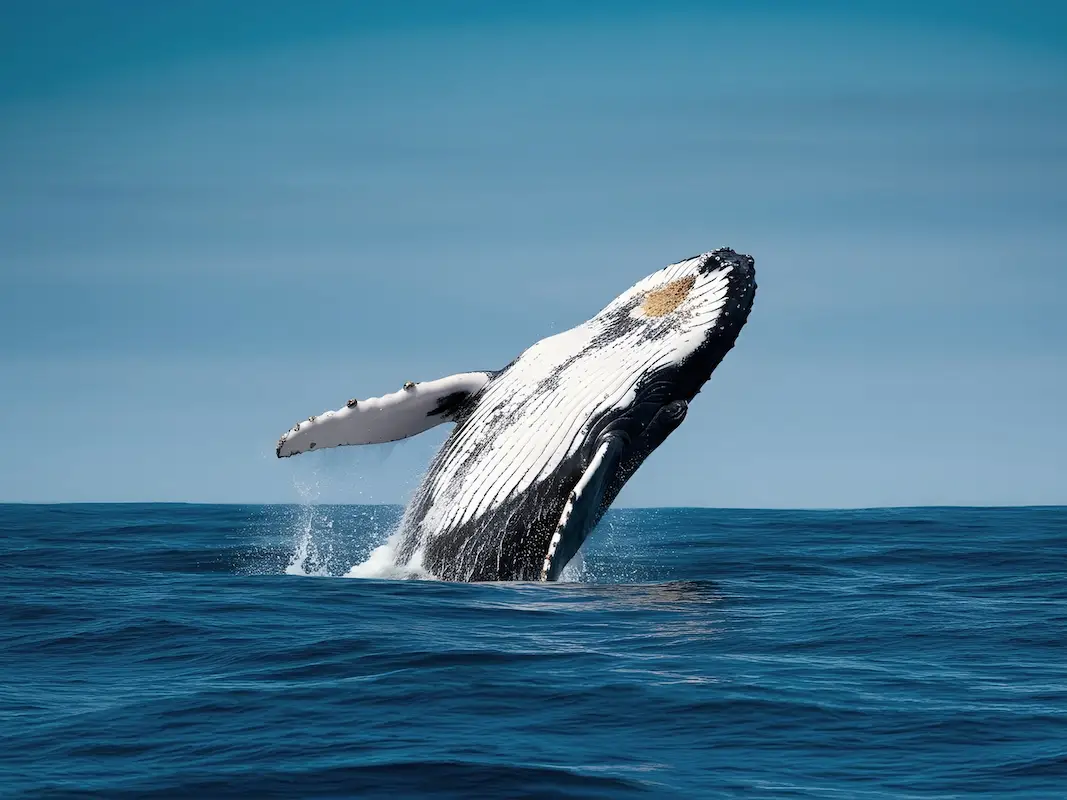
Humpback whales travel over 5,000 kilometers during their annual migration, and Durban sits directly along their northbound route. Between June and November each year, pods pass within a few kilometers of the city's coastline, close enough that boat-based tours from Wilson's Wharf regularly log multiple sightings per trip. The migration follows a predictable rhythm: whales begin arriving in early June as they leave Antarctic waters, numbers swell through winter, and by late November the southbound journey tapers off as calves born in warmer latitudes gain strength for the return. July through September marks the core of the Durban whale watching season, when both northbound adults and lingering pods overlap. During these months, operators report sighting rates above 90 percent on calm-weather days. The whales' behavior shifts depending on direction—northbound animals in July and August often travel in tight groups and surface predictably, while southbound mothers with calves in October move more slowly and linger in sheltered bays. Water temperature plays a role too: the Agulhas Current keeps Durban's offshore zone warmer than the open ocean, and whales sometimes pause to rest before continuing their journey. Sea conditions matter as much as the calendar. Winter mornings along the KwaZulu-Natal coast are typically glassy, with offshore winds holding back the chop until midday. By 15:00, southwesterlies often build two-meter swells that make smaller vessels uncomfortable and reduce visibility for spotting blows on the horizon. Tour operators at Wilson's Wharf schedule most departures between 07:00 and 11:00 for this reason, and booking an early slot increases your chance of stable conditions even if the forecast turns later in the day. The two-hour duration standard across Durban's whale watching tours allows enough time to travel beyond the harbor breakwater, sweep the migration corridor, and return before wind windows close. Whale watching in Durban is a winter activity by necessity—the species that pass here are absent during summer months when they occupy Antarctic feeding zones. That seasonal compression means planning around the June-to-November window is non-negotiable, but within it you have flexibility to choose between the certainty of peak-season crowds in August or the quieter fringes of early June and late October when sighting rates dip slightly but boats carry fewer passengers.
“Humpback whales travel over 5,000 kilometers during their annual migration, and Durban sits directly along their northbound route.”
Durban Whale Watching Season and Ideal Timing
The primary whale watching season in Durban spans from June to November, when humpback and southern right whales migrate along the KwaZulu-Natal coastline. For the most favorable experience, aim for early morning arrivals to capitalize on the calmest sea conditions before afternoon winds develop.
June to August
Moderate18°C–23°C; cool and dry
These months mark the start of the northward migration. Sightings become more frequent as the season progresses.
September to November
High20°C–26°C; warm and humid
This period captures the southward return migration. Warmer temperatures and increased activity characterize these months.
Early Morning
Low—
Arriving between 07:00 and 15:00 provides the best sea stability. Calm waters in the early hours significantly improve viewing conditions.
Verdict: The best time for whale watching is between June and November, arriving during the early morning window to ensure the calmest ocean conditions.
Durban Whale Watching Season Operational Hours
Durban whale watching tours operate on a consistent daily schedule throughout the season to facilitate visitor planning. Tours are available seven days a week.
| monday | 07:00–17:00 | |
|---|---|---|
| tuesday | 07:00–17:00 | |
| wednesday | 07:00–17:00 | |
| thursday | 07:00–17:00 | |
| friday | 07:00–17:00 | |
| saturday | 07:00–17:00 | |
| sunday | 07:00–17:00 |
Getting to the Durban Whale Watching Season Departure Point
Whale watching departures are located at Wilson's Wharf in Durban. The site is accessible via major arterial roads and is well-served by local transport options.
Follow the M4 or N3 toward Durban City Centre, then take the exit for Esplanade (Margaret Mncadi Avenue) toward Wilson's Wharf.
Request transport directly to 14 Boatman's Road.
Access Wilson's Wharf via the pedestrian walkway along Margaret Mncadi Avenue.
Essential Preparation for Durban Whale Watching Season Tours
Prepare these essentials before your boat-based whale watching departure from Wilson's Wharf.
-
Book your tour in advance — Tours operate daily between 07:00 and 17:00and can fill quickly during peak season.
-
Bring sun protection and a hat — Two hours on open water means prolonged exposure even on overcast days.
-
Wear layered windproof clothing — Morning sea conditions are calm but temperatures drop once the boat is moving.
-
Pack motion sickness medication if needed — Boat-based viewing involves movement on the ocean for the full two-hour duration.
-
Carry a waterproof bag for electronics — Spray from the boat and changing weather can damage unprotected devices.
-
Arrive during the 07:00–15:00 window — Early arrival ensures calmer sea conditions before afternoon winds pick up.
-
Confirm your booking details — Check your reservation and contact +27313053099 if adjustments are needed.
Check availability
Frequently asked questions about durban whale watching season
Everything you need to know about durban whale watching season