
Quick answer
Whale watching Durban Umhlanga operates from Wilson's Wharf at 14 Boatman's Road, with boat tours departing daily between 07:00 and 17:00 throughout the year. The humpback whale migration peaks from June through November, when calm morning sea conditions and high visibility offer the strongest chances of sightings. Entry to the wharf precinct is free; individual tour fees vary by operator and vessel type.
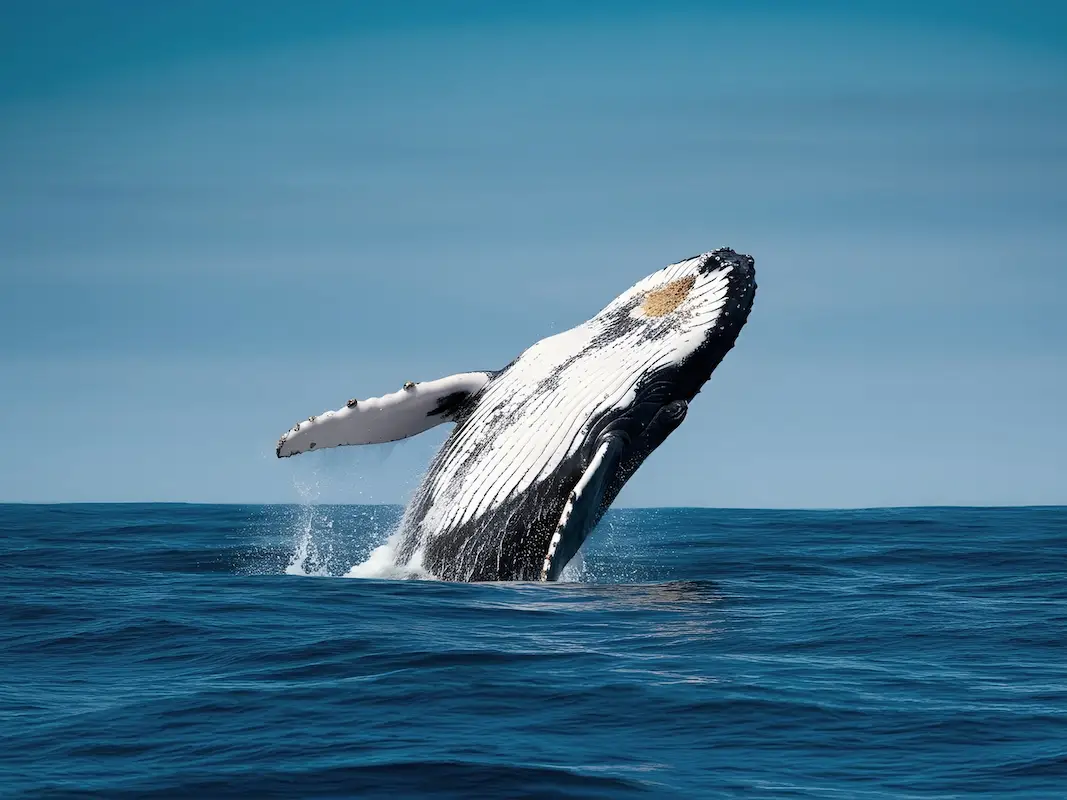
Between May and November each year, the warm Agulhas Current funnels more than 2,000 humpback whales past Durban's coastline as they migrate north from sub-Antarctic waters to breed in the tropical shallows off Mozambique. The return journey south, carrying newborn calves, unfolds from September through December. This predictable movement makes the Durban-Umhlanga stretch one of the southern hemisphere's most consistent whale watching destinations, with sighting rates exceeding 90 percent during peak winter months. Wilson's Wharf serves as the primary departure point for marine tours along this route. Located at the harbour mouth where the port channel meets the Indian Ocean, the wharf's position allows vessels to reach deep water within minutes of launch. Operators run trips throughout the day, but early morning departures between 07:00 and 10:00 benefit from calmer offshore winds and glassy sea conditions that make whale behaviour easier to observe. Humpbacks frequently breach, tail-slap, and spyhop within sight of Umhlanga's beachfront, though boat-based viewing offers proximity that shore-based observation cannot match. The continental shelf drops steeply offshore from Durban, creating nutrient upwellings that attract not only migrating humpbacks but also resident populations of bottlenose dolphins, common dolphins, and occasional southern right whales. Tour durations typically span two to three hours, tracking whale movements along the 12-nautical-mile corridor between the harbour and Umhlanga Rocks. Sightings are never guaranteed, but the density of whales during migration season means most trips encounter multiple individuals or pods. Sea conditions vary significantly by season and time of day. Winter months bring the calmest offshore weather, while summer northeast winds can create choppy surface conditions unsuitable for smaller vessels. Operators monitor marine forecasts closely and adjust departure schedules accordingly. Travellers prone to seasickness should consider morning trips and consult operators about vessel size and stability before booking.
“The continental shelf drops steeply offshore from Durban, creating nutrient upwellings that attract not only migrating humpbacks but also resident populations of bottlenose dolphins and occasional southern right whales.”
Best Time for Whale Watching Durban Umhlanga Tours
The primary whale watching season in Durban and Umhlanga spans from June to November as humpback and southern right whales migrate along the coast. Early morning remains the optimal daily window for these tours due to calmer sea conditions.
June to August
Low to moderate18°C to 23°C; cool winds
Peak migration period for humpback whales moving north. Early morning tours provide the most stable water surface.
September to November
Moderate to high20°C to 26°C; warming trend
Whales often travel with calves during their southern migration. Sea conditions are generally favorable during early morning hours.
Weekday mornings
Low—
Mid-week departures offer quieter vessel environments. Early morning arrivals ensure the best sea state for spotting activity.
Verdict: The best time to visit is during the peak migration months of June through November, specifically targeting the 07:00–10:00 arrival window for optimal sea conditions.
Opening Hours for Whale Watching Durban Umhlanga
The facility is open daily to accommodate visitors planning boat-based whale watching departures from Wilson's Wharf.
| Monday | 07:00–17:00 | |
|---|---|---|
| Tuesday | 07:00–17:00 | |
| Wednesday | 07:00–17:00 | |
| Thursday | 07:00–17:00 | |
| Friday | 07:00–17:00 | |
| Saturday | 07:00–17:00 | |
| Sunday | 07:00–17:00 |
Admission and Pricing for Whale Watching Durban Umhlanga
Access to the wharf area is free of charge for all visitors. Actual boat-based whale watching tours require separate fees paid directly to the chosen tour operator.
While site access is 0 ZAR, adult prices for boat-based excursions vary significantly depending on the specific tour operator selected.
Getting to Whale Watching Durban Umhlanga at Wilson's Wharf
Whale watching departures are located at Wilson's Wharf, 14 Boatman's Road, Durban, 4001. The site is accessible via the M4 highway for those traveling from Umhlanga or central Durban.
M4 Highway south towards Durban harbor
Direct to Wilson's Wharf, 14 Boatman's Road
Bus to Durban central station then taxi to harbor
Whale Watching Durban Umhlanga Pre-Visit Checklist
Prepare for your whale watching departure from Wilson's Wharf with these essential steps.
-
Book your tour in advance — Operators fill quickly during peak season (June–November) and require confirmed reservations.
-
Take motion sickness medication 30–60 minutes before departure — Preventative tablets work better than treating symptoms once at sea.
-
Wear layers and bring a windproof jacket — Ocean temperatures drop quickly, and spray from the boat can soak lighter clothing.
-
Pack sun protection and a hat — UV exposure intensifies on open water even on overcast days.
-
Bring binoculars if you own them — Whales surface unpredictably, and magnification helps track distant breaches.
-
Arrive at Wilson's Wharf by 07:00–10:00 — Early departures coincide with calmer sea conditions and better visibility.
-
Confirm your operator's check-in requirements — Some tours require ID or signed waivers before boarding.
Check availability
Frequently Asked Questions About Whale Watching Durban Umhlanga
Everything you need to know about whale watching durban umhlanga