30 min
Durban Harbor Boat Cruise
- Entry ticket
- Mobile voucher
- Valid same day
- Free cancellation
Durban Whale Watching — Marine Wildlife Excursions
Humpback giants breach the Indian Ocean, just beyond the harbour mouth
Compare fares, pick the fit — all bookings are mobile-voucher and eligible for free cancellation where shown.
30 min
1 hr
1 hr
Worth it during peak migration season
Durban whale watching delivers strong value between June and November when humpback whales migrate along the KwaZulu-Natal coast. At 750 ZAR per person for a two-hour excursion, you're paying for experienced skippers who know the migration corridors and can position boats within legal viewing distance of breaching whales, calves, and pods. The Durban coastline offers a unique vantage point where the warm Agulhas Current creates ideal conditions for marine mammal activity. Success rates hover around 85–90% during peak weeks, dropping to 40–50% outside the migration window. The investment pays off for wildlife enthusiasts and photographers seeking close encounters with humpback whales in their natural habitat, but casual tourists visiting outside migration months will likely see only dolphins. Morning departures from Wilson's Wharf reduce the risk of choppy afternoon swells that can obscure sightings and cause seasickness. Crew commentary adds educational depth beyond simple observation.
Bottom line: Book durban whale watching tours between July and October for the best chance of memorable humpback encounters that justify the ticket price.
Hand-picked experiences loved by thousands of travelers
2 hours
Free Cancellation
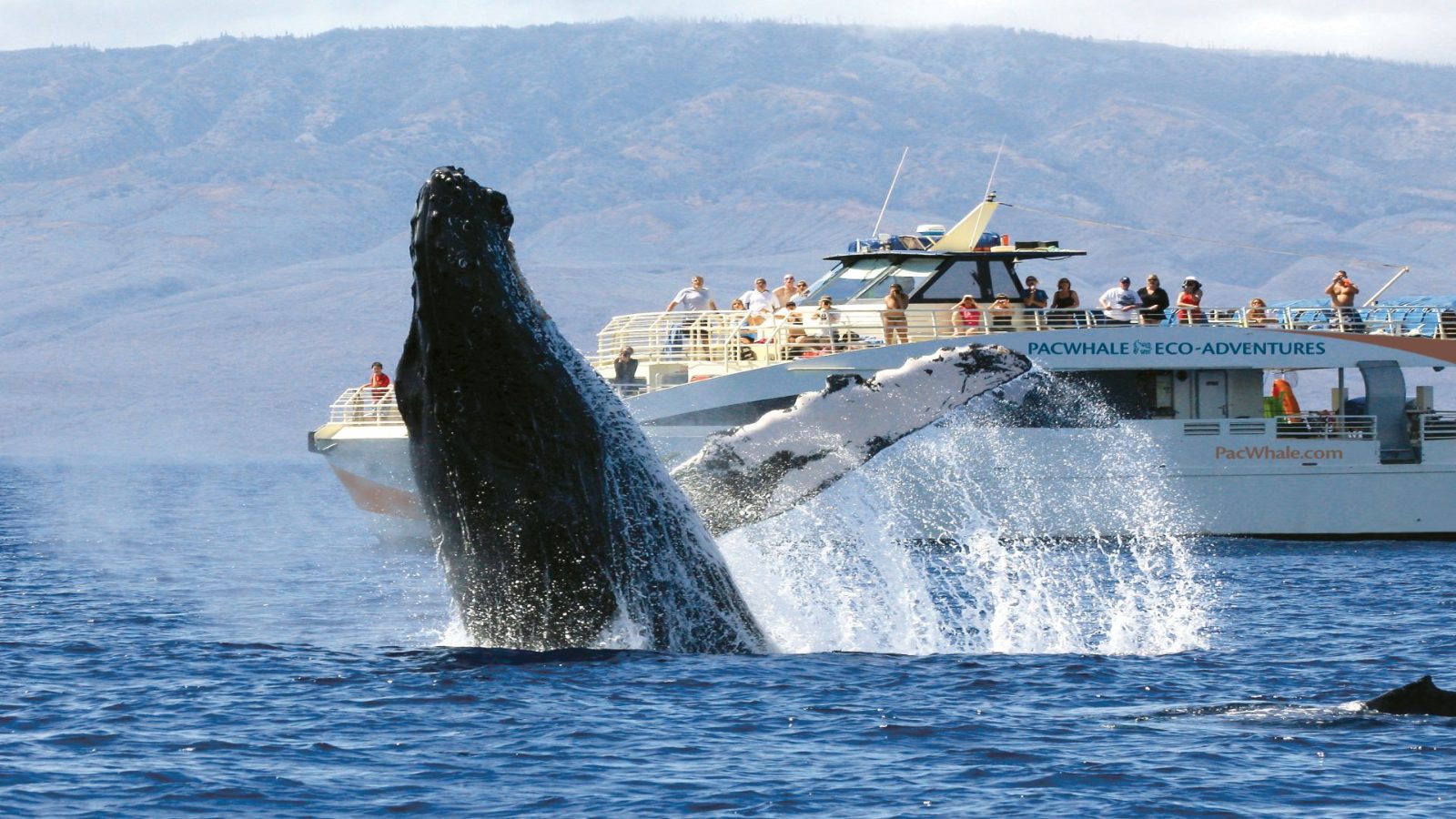
Sail into the Indian Ocean to observe humpback whales migrating along the coast during winter months
12 hours
Free Cancellation
Climb dramatic mountain switchbacks by 4WD to Africa's highest pub and meet Basotho villagers
12 hours
Free Cancellation
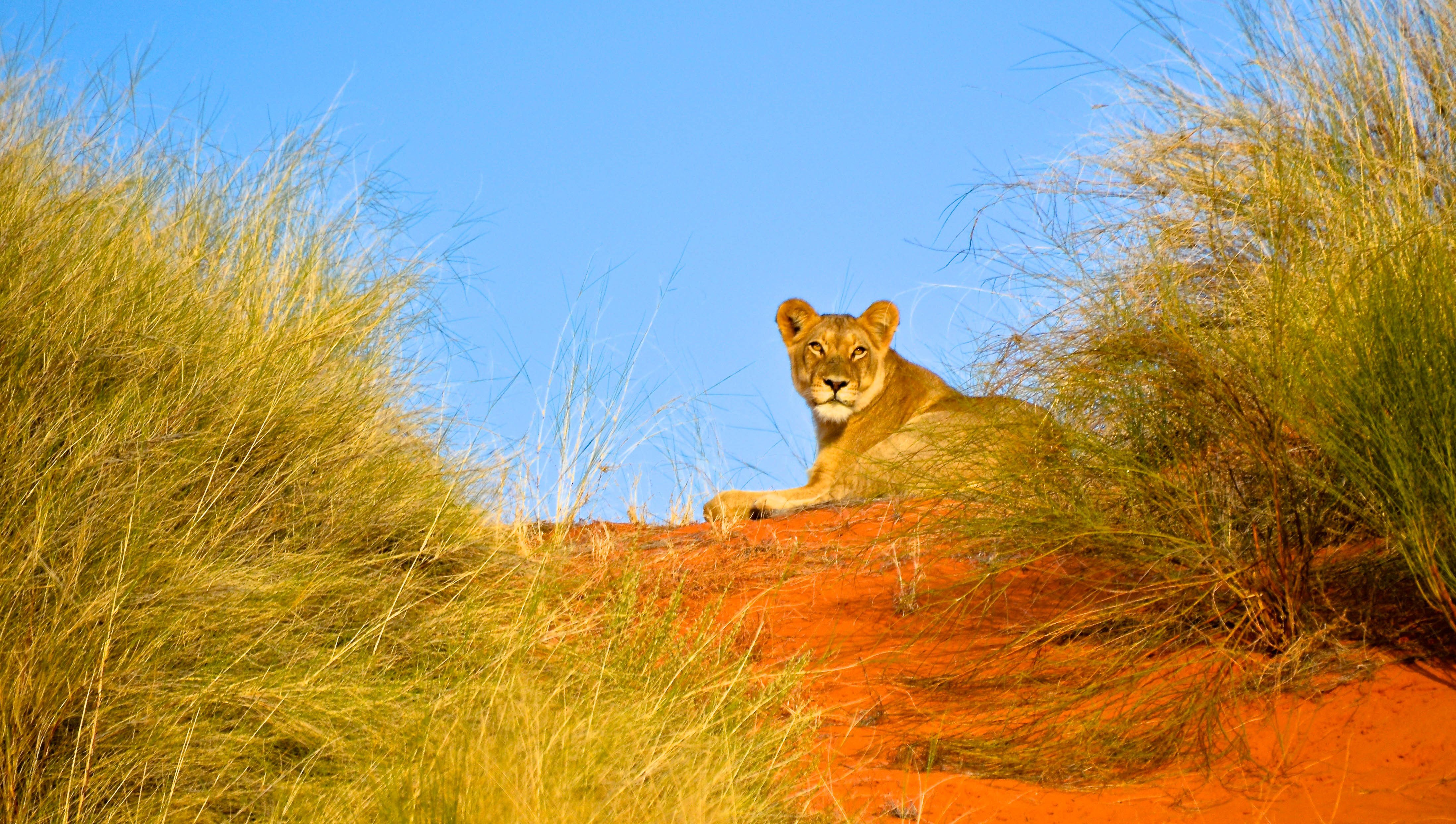
Explore UNESCO wetlands by boat and track Africa's Big Five through South Africa's oldest game reserve
8 hours
Free Cancellation
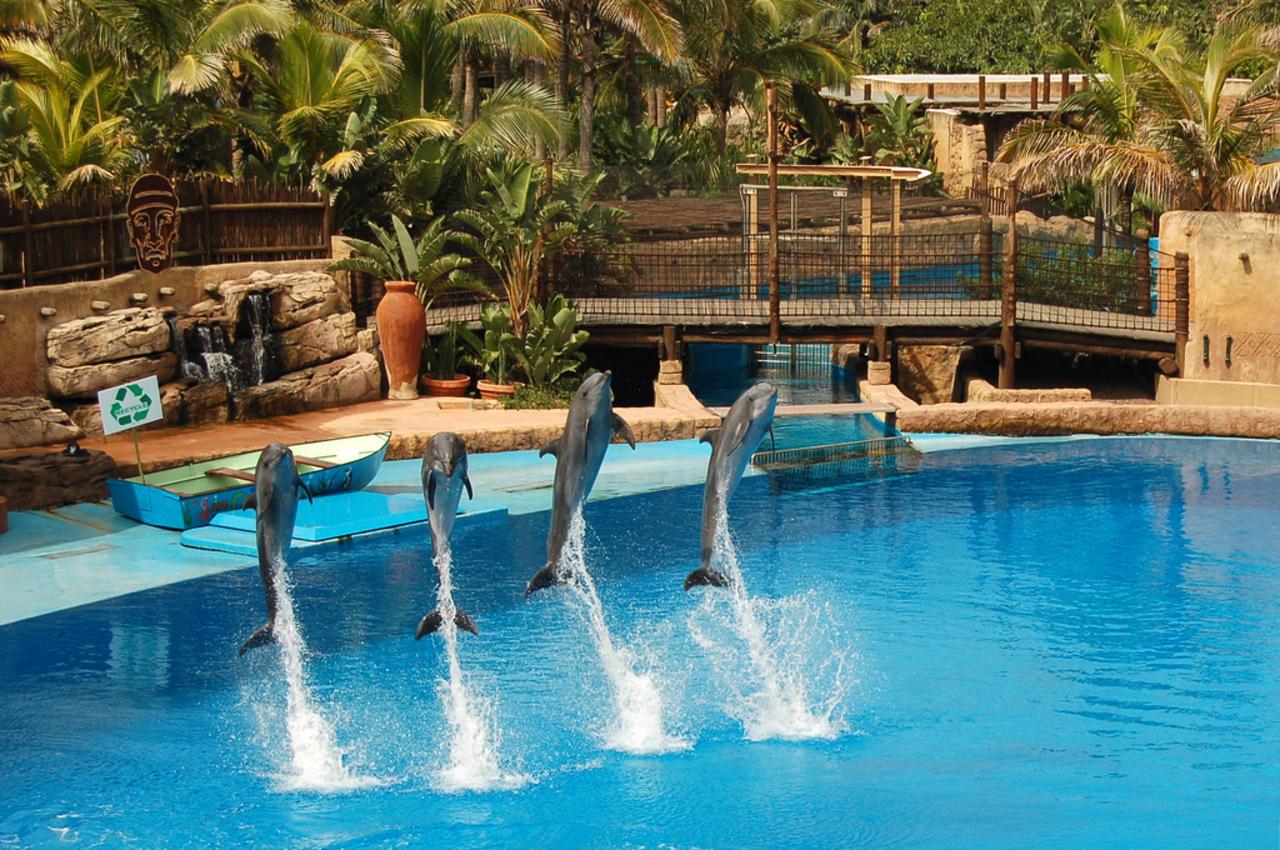
Spend eight hours exploring one of Africa's premier aquarium complexes with marine shows and exhibits
7 hours
Free Cancellation
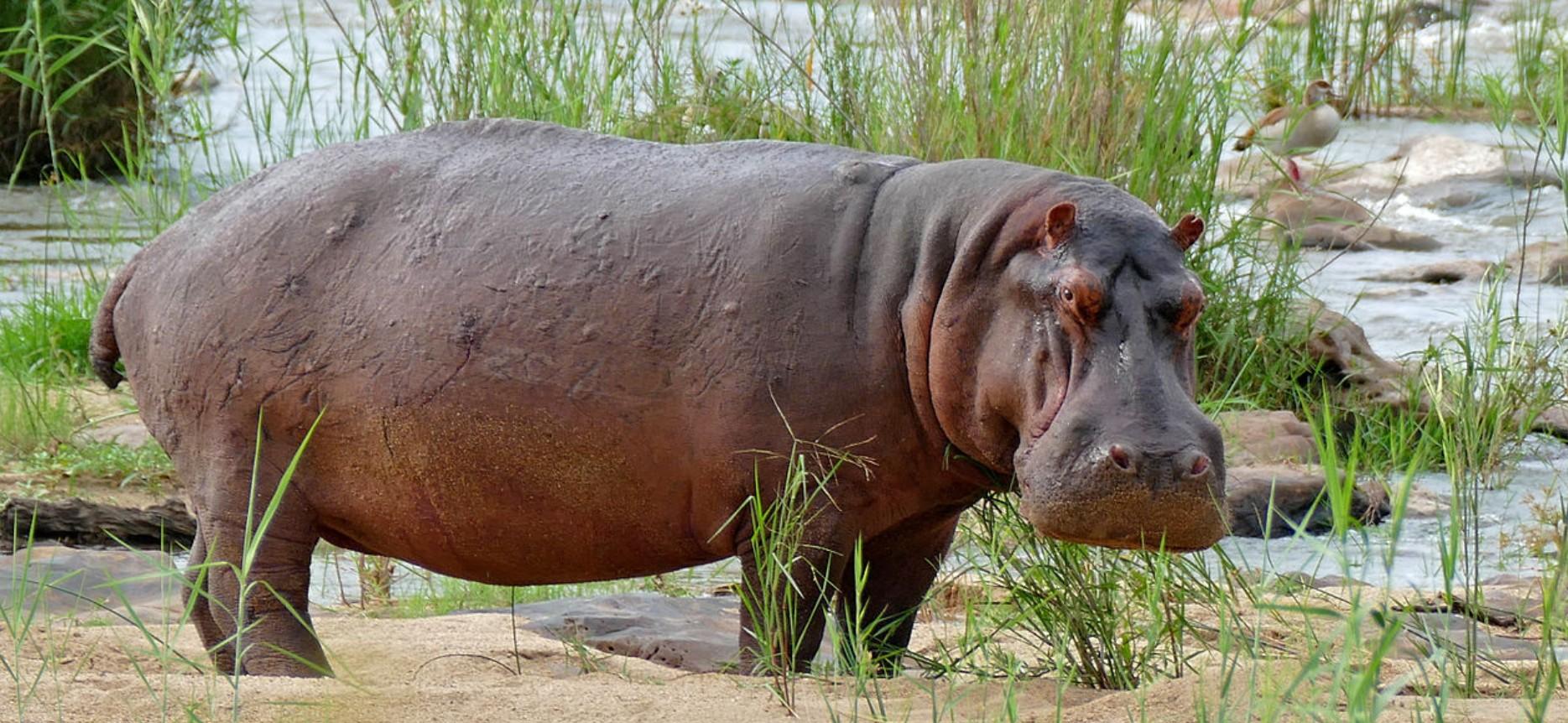
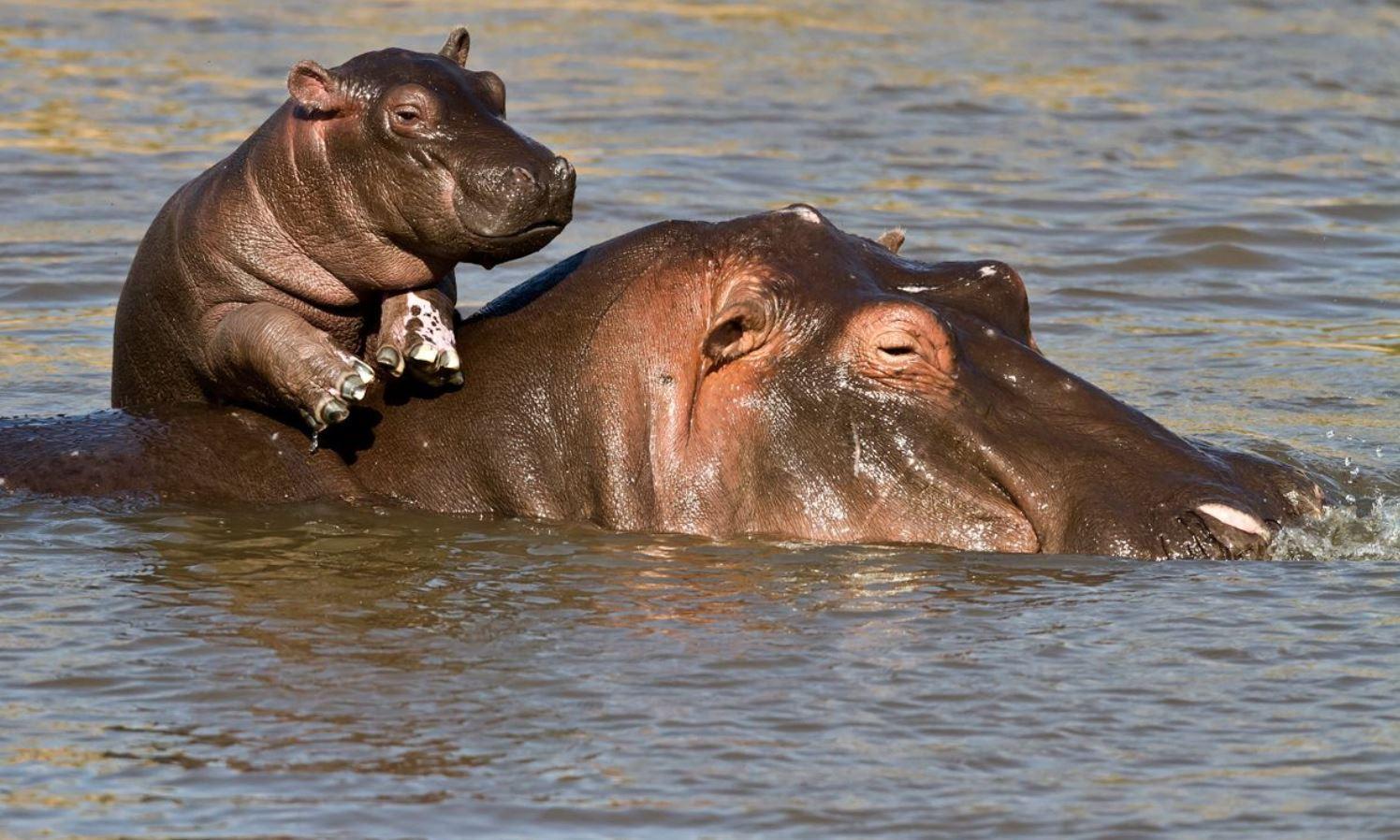
Journey from Durban to St Lucia Estuary for an unforgettable boat safari among hippos and crocodiles
10 hours
Free Cancellation
Discover hippos and crocodiles on an estuary cruise, then safari through Isimangaliso to see elephants and giraffes
14 hours
Free Cancellation
Explore two premier KwaZulu-Natal wildlife sanctuaries on this 14-hour safari adventure from Durban
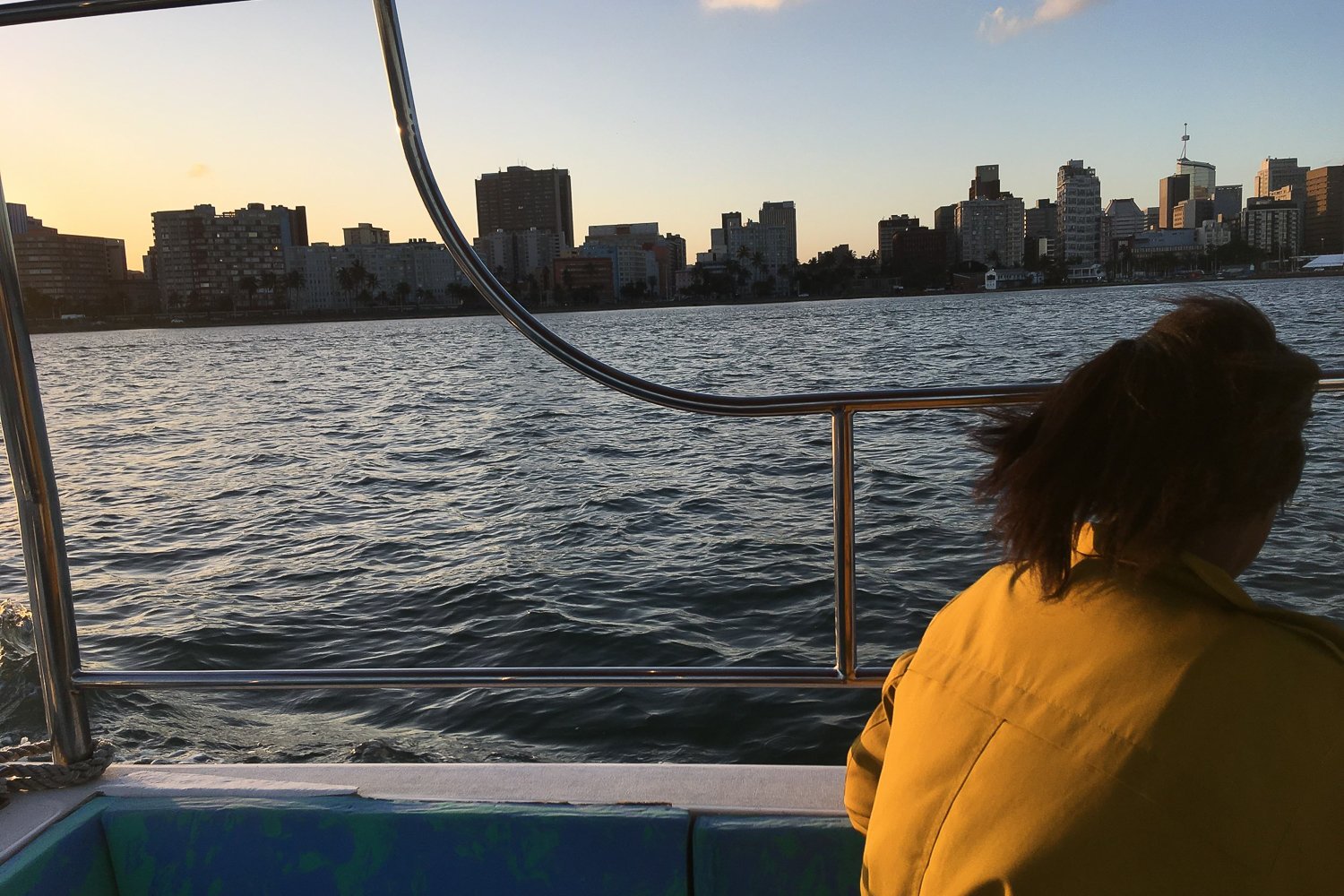
Observe the busy activity of the port and ships from the deck of your boat.
Experience the deep blue currents that support diverse migratory marine populations.
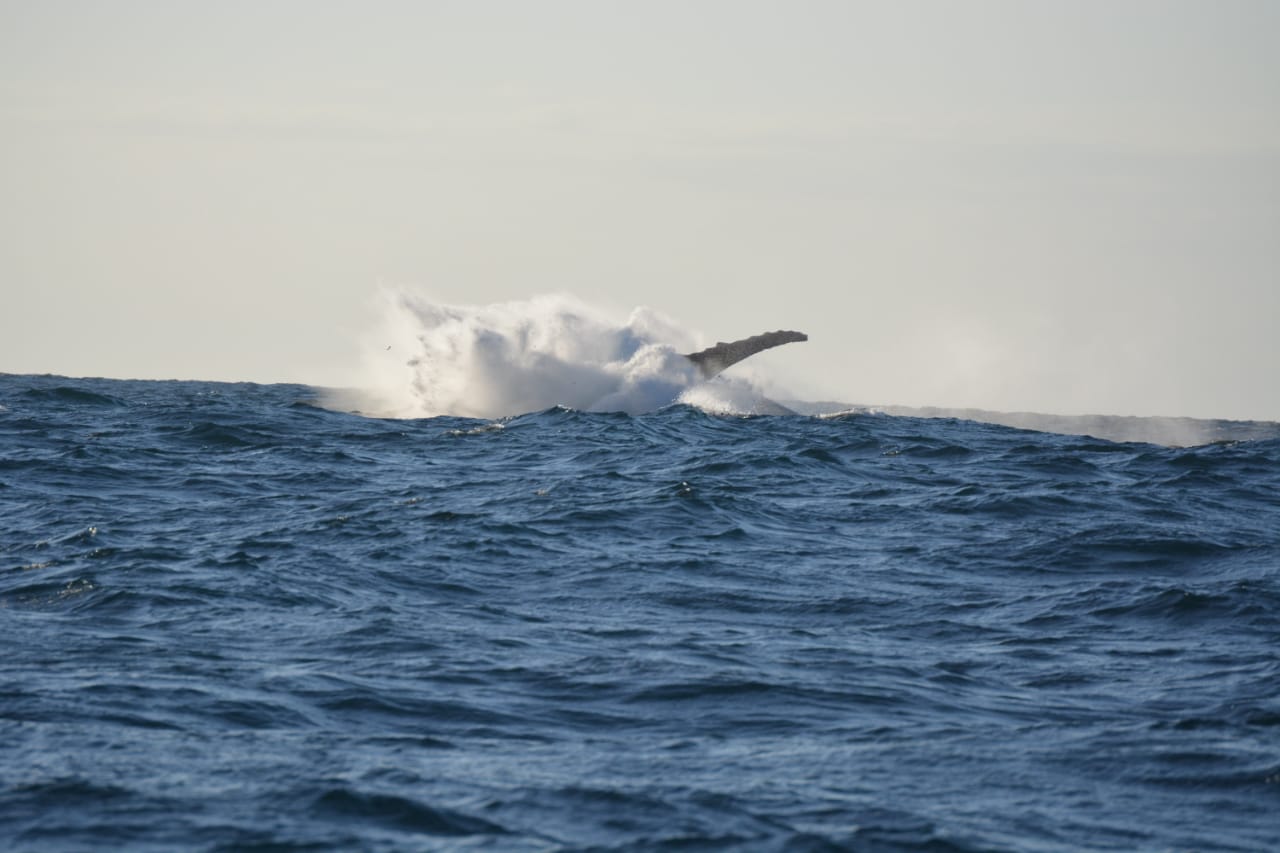
Spot dolphins, sea turtles, and migratory humpback whales during the season.
Start your journey from this vibrant harbor-side destination in Durban.
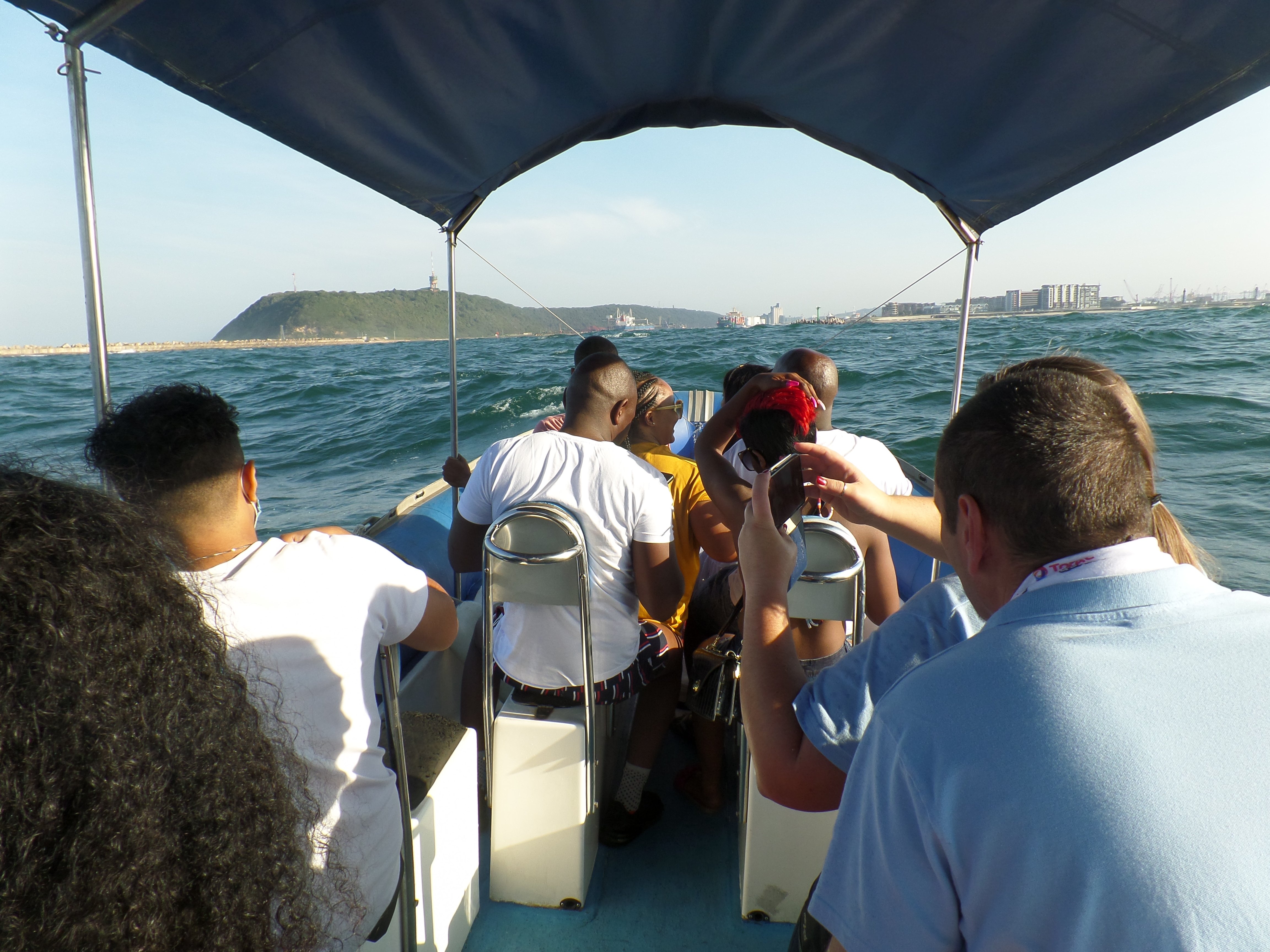
You board at Wilson's Wharf thirty minutes before departure, stepping onto a rigid-hulled inflatable with tiered seating and bow-mounted binoculars.
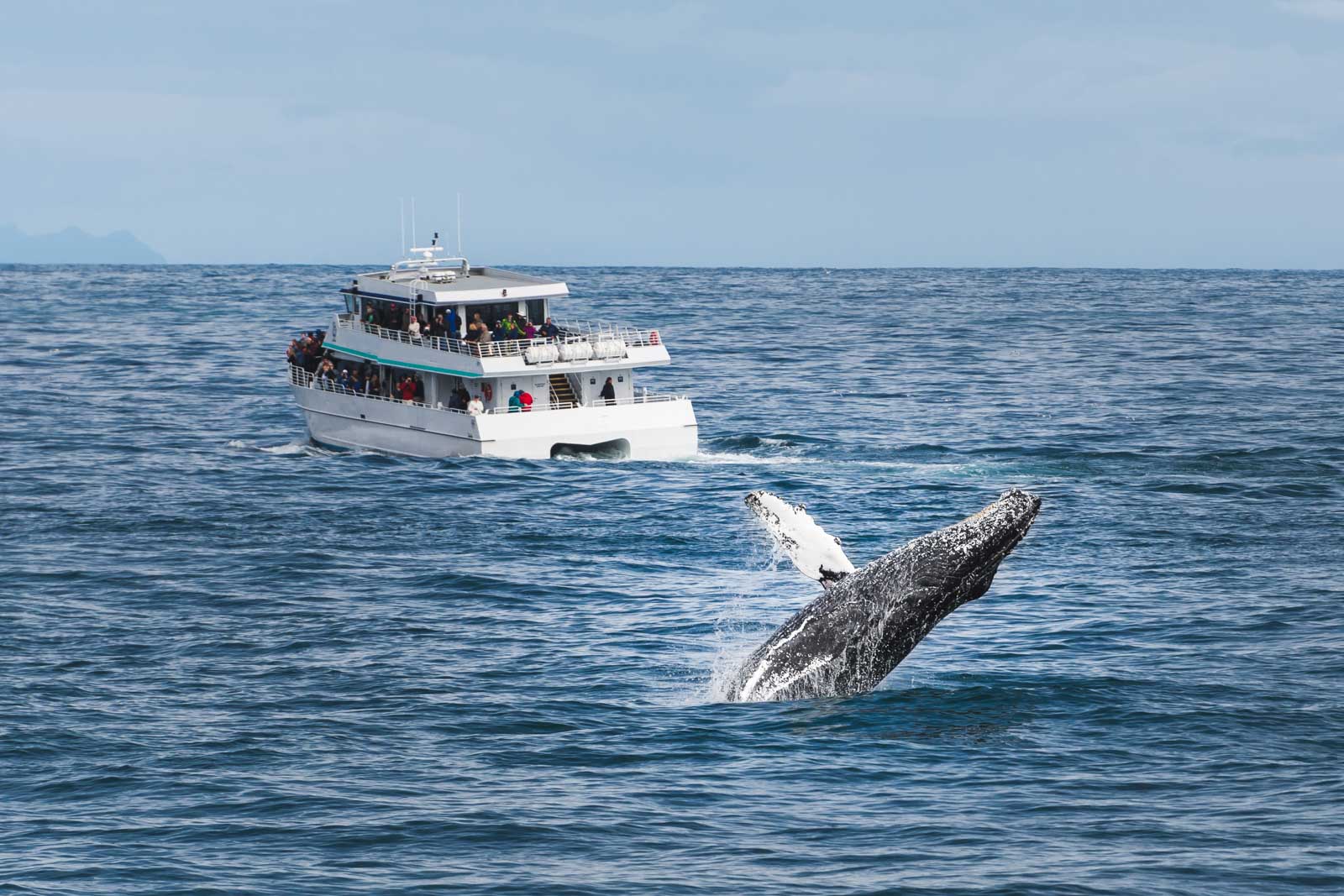
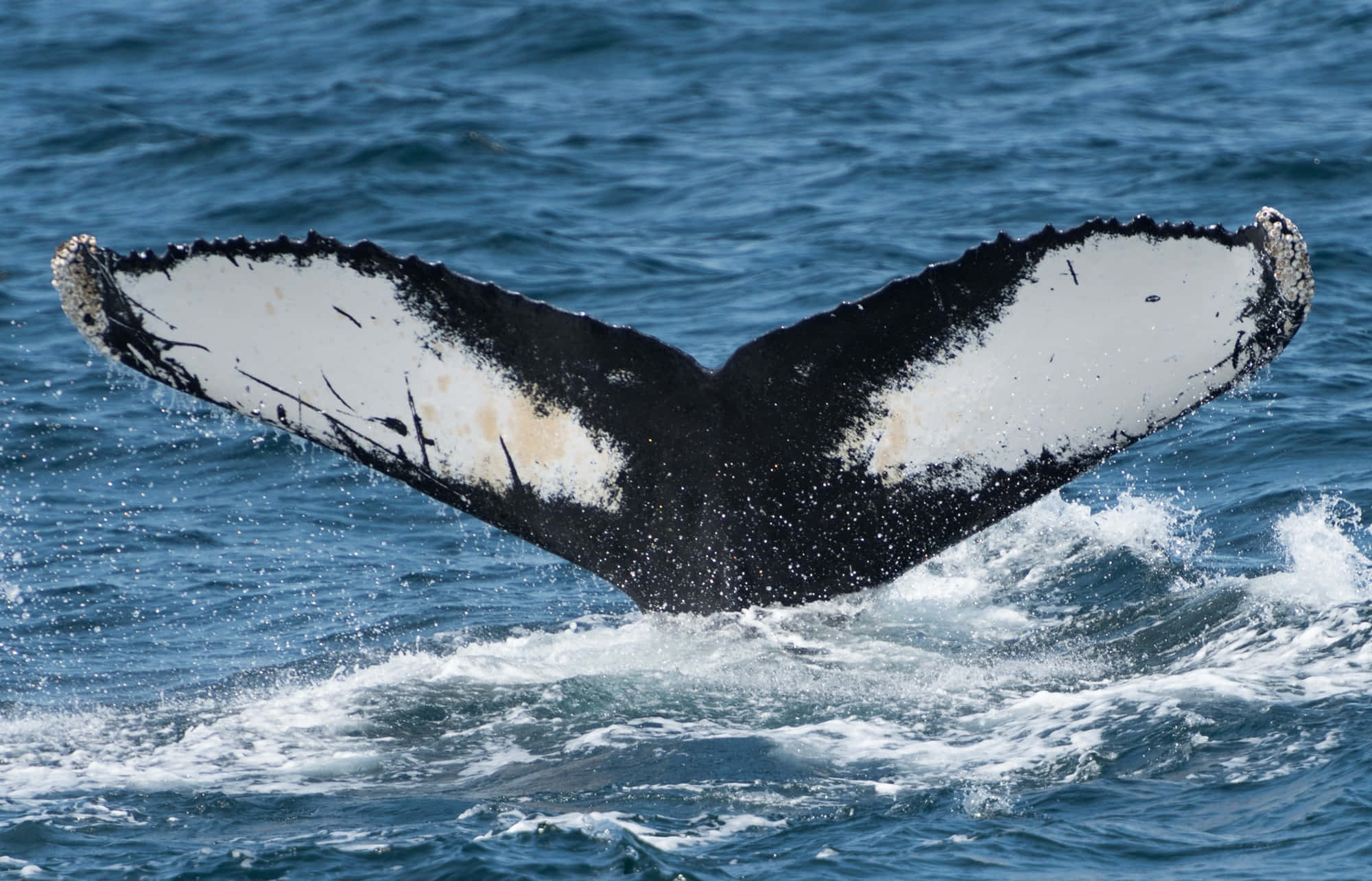
The skipper briefs the group on humpback behaviour—flukes up means a deep dive, pectoral fin slaps signal social interaction—while the boat motors past the harbour breakwater and into open water. Within fifteen minutes, the continental shelf drops away beneath you, and the first blow appears: a vertical plume of mist catching the morning light. The engine cuts to idle.
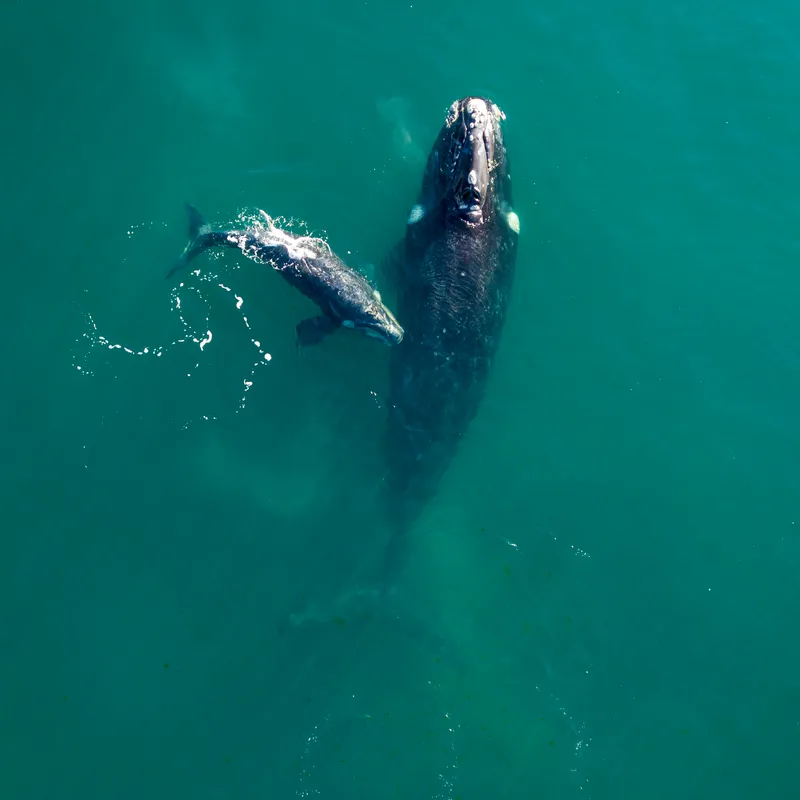
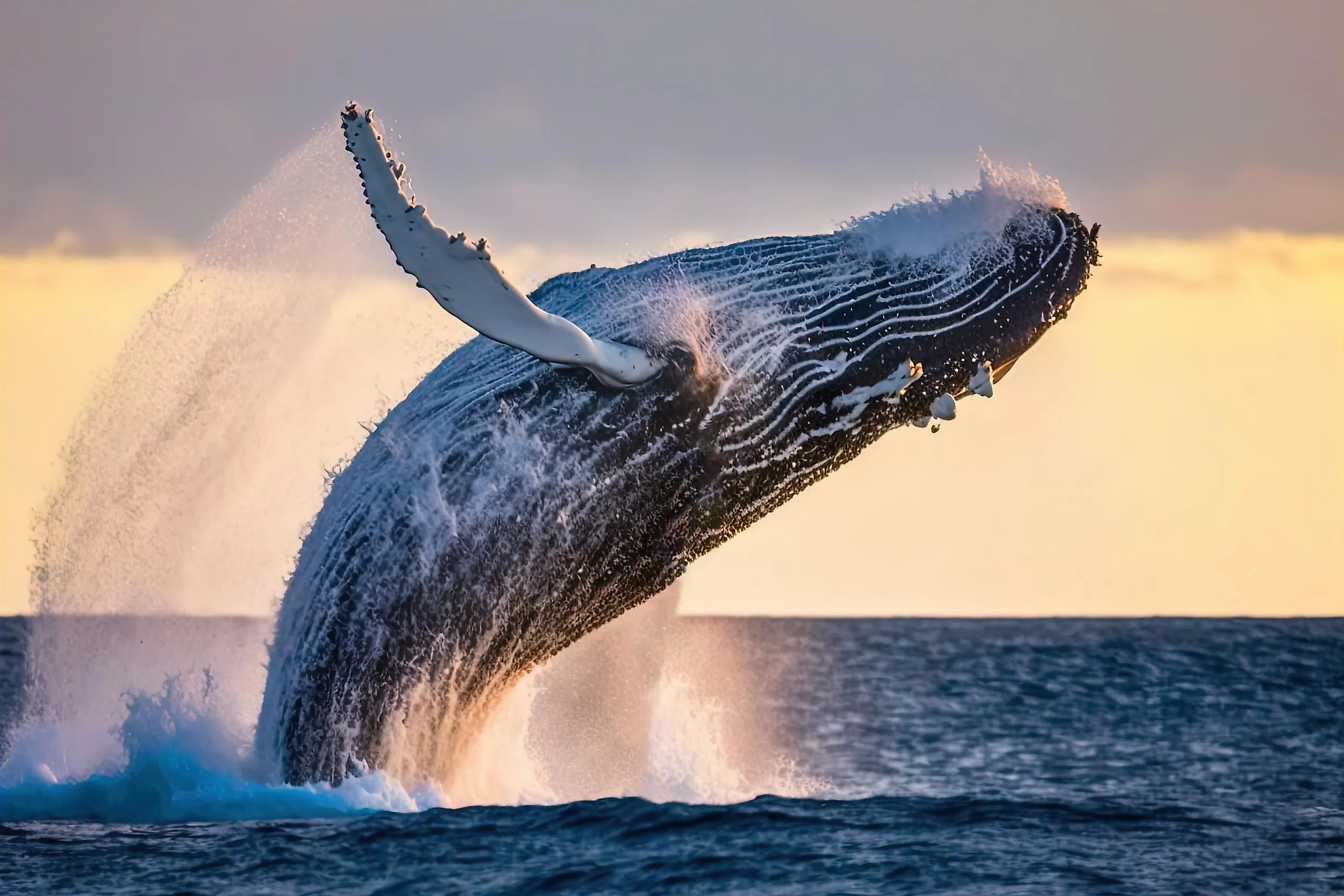
A cow and calf surface sixty metres ahead, the calf's grey skin mottled with barnacles already taking hold. The mother rolls, exposing a white pectoral fin longer than the boat itself, then slides under. You wait. Silence except for hull slap and distant gulls. Then the calf breaches—thirty tons clearing the surface in a single convulsive arc, landing with a percussive slap that echoes off the Bluff. The skipper records the fluke pattern on a tablet, matching it against a regional catalogue.
You track the pair south for twenty minutes, maintaining regulatory distance, until a second pod surfaces to starboard: three adults engaged in competitive escort behaviour, jostling for position near a female. One male spy-hops—lifting his rostrum vertically to scan the surface—then crashes back. The hydrophone picks up low-frequency groans, each note vibrating through the hull. You return to harbour with salt on your lips and twenty minutes of usable footage.
All the details about your upcoming adventure in one place
Durban whale watching brings you face-to-face with humpback whales migrating along the KwaZulu-Natal coast between June and November. Marine tours depart from Wilson's Wharf into the warm Agulhas Current, where pods of humpbacks, southern right whales, and dolphins travel close to shore. Expert guides provide live commentary on cetacean behavior, migration patterns, and ocean ecology while you scan for breaches, tail slaps, and spy-hops from the vessel's viewing decks.
Every winter, more than 3,000 humpback whales navigate the Agulhas Current along South Africa's east coast, funnelling past Durban's harbour entrance in one of the southern hemisphere's most concentrated cetacean migrations.
The corridor between the Bluff and Umhlanga stretches barely twelve nautical miles, yet between June and November it becomes a predictable thoroughfare for nursing mothers, competitive males, and juveniles heading toward Antarctic feeding grounds. Marine biologists documented this route in the 1970s, but commercial whale watching durban operators only gained formal permits after the 1979 moratorium on whaling transformed the coast from a hunting zone into a sanctuary.
Durban's position on the migration path offers a logistical advantage rare among whale-watching destinations: tours depart from Wilson's Wharf, a working marina less than four kilometres from the city centre, and reach prime sighting zones within twenty minutes. The continental shelf drops sharply offshore, creating deep channels that humpbacks favour for efficient travel. Surface breaches, tail slaps, and spy-hopping behaviours occur frequently in these waters because calves born in Mozambican lagoons are still learning migratory rhythms, and adult males compete for mating opportunities during the southbound return. Durban whale watching tours operate under strict National Environmental Management regulations, which mandate 300-metre minimum distances and prohibit pursuit—restrictions that paradoxically improve encounters, as whales often approach idling vessels out of curiosity.
The season splits into two distinct phases. June through August delivers the northbound migration, when pregnant females and juveniles move toward calving grounds off Mozambique and Madagascar. September through November brings the southbound return, when mothers escort newborn calves and competitive pods of males engage in surface-active displays. Water visibility peaks in September and October, when offshore swells settle and plankton blooms thin. Morning departures coincide with reduced wind and flatter sea states, factors that improve both vessel stability and whale detection. Research vessels from the Oceanographic Research Institute occasionally run parallel surveys, recording vocalizations and cataloguing fluke patterns for long-term population studies.
Whale watching durban prices reflect the brevity of the season and the operational costs of maintaining ocean-rated vessels. Two-hour excursions allow sufficient time to reach the migration corridor, observe pods, and return before afternoon swells build. Operators staff boats with marine biology graduates trained in species identification, and most vessels carry hydrophones to detect subsurface calls. The Durban coastline itself—anchored by the Bluff's rocky prominence and the sandy sweep of Umhlanga—provides a striking backdrop, with the city's port infrastructure framing the marine wilderness just beyond the breakwater.
Between June and November, more than 3,000 humpback whales funnel past Durban's harbour entrance in one of the southern hemisphere's most concentrated cetacean migrations.
Wear warm, layered clothing as temperatures can drop significantly once out on the water. Flat, rubber-soled shoes are strongly recommended for stability on the boat deck.
Passengers must check in at the kiosk at Wilson's Wharf 30 minutes before departure. Keep personal belongings in a small, waterproof bag to protect against ocean spray.
Bring a camera to capture the marine life, but ensure it is stored securely during transit. A polarized lens is beneficial to reduce sun glare on the water during your durban whale watching experience.
Children are welcome on durban whale watching tours, though it is not recommended for toddlers as the ocean can be unsettling. Parents take full responsibility for their children while on board.
The durban whale watching tour is wheelchair-friendly, though guests should be prepared to step into the vessel. Please inform staff in advance if you have specific mobility needs.
Guests are permitted to bring light snacks and water on board. Please avoid bringing glass containers or alcoholic beverages during your durban whale watching trip.
Opening hours
07:00–17:00 daily
Address
Wilson's Wharf, 14 Boatman's Road, Durban, 4001, South Africa
Accessibility
Wheelchair-friendly facilities available
Best arrival window
07:00–15:00 for optimal sea conditions
Storage
Limited storage for personal items available at the office
Navigation
Located at the Wilson's Wharf marina
Car · Varies · Minimal
Follow signs for Wilson's Wharf in Durban; paid parking is available on-site.
Taxi · Varies · Variable
Request a drop-off at Wilson's Wharf main entrance for easiest access.
Full refunds are provided for cancellations made at least 24 hours before the scheduled durban whale watching tour. No refunds are issued for cancellations within 24 hours of the tour or for no-shows.
Recommended time
2-3 hours
Planning your trip requires accounting for the 2-hour boat excursion plus time for pier side arrival at Wilson's Wharf. Utilizing the best arrival window of 07:00–15:00 ensures you benefit from calmer sea conditions, which are ideal for spotting marine mammals during your durban whale watching experience. Securing your durban whale watching tickets in advance helps streamline the boarding process, while allowing extra time before your durban whale watching tour ensures you remain relaxed if the marina is busy. Observing aquatic wildlife often depends on these optimal early conditions when booking durban whale watching tours.
Crowd levels through the day
Weather · crowds · average price — dots go green to amber to red as each metric rises.
The primary whale migration season through the coastal waters of Durban.
Peak time for spotting humpback whales breaching and interacting.
Ideal for observing mother whales and their calves in the warmer waters.
Focus shifts to dolphin sightings and other diverse marine wildlife.
Take seasickness medication or use bands at least 30 minutes before your durban whale watching departure to stay comfortable.
Reserve your durban whale watching tickets well in advance during peak season to ensure availability.
Consult the marine forecast specifically, as durban whale watching boat tours are subject to wind and wave conditions.
Listen closely to the skipper's safety briefing at the start of your durban whale watching tour.
Keep your eyes on the horizon and listen for the blow of a whale to help your crew locate marine life.
Wilson's Wharf, 14 Boatman's Road
Located next to the Casadena Spur end of the complex.
Get directions
Planning durban whale watching with children requires preparation for sea conditions and an interest in marine life. These durban whale watching tours offer families a chance to observe ocean giants in their natural habitat.
Children should be comfortable wearing life jackets for the duration of the trip, so ensure they are prepared for this safety requirement before booking your durban whale watching tickets. Safety Gear
Visitors participating in durban whale watching can enjoy a variety of dining options located directly at Wilson's Wharf. This waterfront precinct offers several establishments perfect for a meal after completing your durban whale watching tour.
This venue serves fresh seafood and local favorites with a view of the marina. It is a convenient stop for those who have just secured their durban whale watching tickets and want a relaxed atmosphere.
Real experiences from real travelers
We joined a durban whale watching tour in late August and spotted six humpbacks within the first hour. The crew knew exactly where to position the boat and provided marine biology context throughout. Water was calm and visibility exceptional. Bring layers as it gets cool once you leave the harbor.
The captain took us to a pod of Southern right whales about forty minutes offshore. We watched a mother teaching her calf to breach for nearly twenty minutes. Durban's coastline provides a protected corridor that these mammals use during their migration north. Professional operation with hydrophones on board.
Migrating humpbacks were abundant during our durban whale watching trip in early winter. The boat was stable and the guide explained the differences between species we encountered. Saw competitive pod behavior with three males. Weather was overcast but whales were active near the surface.
We saw two whales but the Indian Ocean swell made photography difficult. The crew was knowledgeable about migration patterns along the KwaZulu-Natal coast. Departure was punctual from Wilson's Wharf. Recommend taking motion sickness tablets if you're sensitive.
A durban whale watching tour delivered exactly what we hoped for. Four separate breaches from different whales, plus tail slapping and pectoral fin displays. The skipper had thirty years of experience and positioned us perfectly. Morning departure gave us the best light for photos.
Our guide explained how the Agulhas Current creates nutrient-rich waters that attract these cetaceans during their annual migration. We observed spy-hopping behavior and recorded whale song through the hull-mounted microphone. Durban's marine sanctuary status means minimal boat traffic and respectful viewing distances.
A curious juvenile approached our vessel and surfaced less than ten meters away. The captain immediately cut the engine per conservation protocols. We could see barnacle patterns and hear the blow hole clearly. Durban whale watching tours operate under strict permits that prioritize animal welfare.
Took visiting family on this trip and everyone was satisfied. We spotted a pod of five humpbacks traveling south along the coast. The naturalist on board identified individuals by dorsal fin markings. Calm autumn conditions made for steady observation. Departed from the Point Yacht Club marina.
Mid-winter durban whale watching is reliable for humpback sightings. We logged eleven different individuals during our three-hour charter. The crew provided hot drinks and blankets when the offshore wind picked up. Whales were feeding on sardine shoals pushed up by the current.
Saw three whales during a two-hour trip. The boat was well-maintained and safety briefing thorough. Departure time shifted thirty minutes due to harbor traffic but the operator communicated clearly. Durban's mild climate means year-round operations though winter offers the highest concentration of migrating cetaceans.
Everything you need to know for your journey
The operator is open daily from 07:00–17:00 for inquiries and check-ins.
Yes, it is highly recommended to purchase durban whale watching tickets in advance to secure your spot.
The entrance fee is 750 ZAR per person for a 2-hour whale watching boat tour.
You are welcome to bring light snacks and water, but please avoid glass containers on your durban whale watching tour.
Yes, children are allowed, though toddlers may find the ocean unsettling; parents must take full responsibility.
If the trip is cancelled due to weather, you will be offered a reschedule or refund as per company policy.
Each durban whale watching tour lasts approximately 2 hours on the water.
Yes, please arrive at the Wilson's Wharf office 30 minutes before your scheduled departure.
Whale sightings are most frequent from May to November; outside these months, the tour focuses on dolphins and other marine life.
Explore diverse exhibits on biodiversity and ecology near the city center.
A historic site marking the origins of the Durban settlement.
An iconic sports stadium offering panoramic views from the SkyCar.
A bustling market known for spices, crafts, and cultural items.
Beachfront hotel with premium amenities and ocean views.
Various historic and modern guesthouses located in the Durban city area.
Access to various self-catering and budget-friendly apartment rentals.
Join thousands of happy travelers who have discovered this incredible experience
Book Your Experience Now