2 hr
Durban Ocean Safari: Whale & Dolphin Watching Adventure
- Entry ticket
- Mobile voucher
- Valid same day
- Free cancellation
Durban Whale Watching Tour — Ocean Safaris & Marine Encounters
Track humpback whales off the KwaZulu-Natal coast, where the Agulhas Current meets open ocean.
Compare fares, pick the fit — all bookings are mobile-voucher and eligible for free cancellation where shown.
2 hr
30 min
1 hr
Choosing the right durban whale watching tour depends on whether you seek an immersive ocean experience or a shorter harbour excursion. These durban whale watching tour tickets provide access to permitted marine adventures departing from Wilson's Wharf.
|
Top pick Whale Watching Cruise 2-Hour Open Ocean |
Harbour Cruise 30-Minute Scenic Tour | |
|---|---|---|
| Duration | 2 hours | 30 minutes |
| Primary Activity | Deep sea whale and dolphin spotting | Calm harbour sightseeing |
| Vessel Type | Permitted whale watching boat | Comfortable cruise boat |
| Best Arrival Window | 10:00–14:00 | 10:00–16:00 |
| Price (Standard Adult) | 1,150 ZAR | Varies by operator |
| Best for | Wildlife enthusiasts | Families and first-timers |
| See tickets & prices |
Verdict: For the best chance to see migratory humpback whales, choose the 2-hour durban whale watching tour excursion.
Worth it for marine life enthusiasts seeking professional ocean encounters
The durban whale watching tour delivers professional-grade marine wildlife viewing from Wilson's Wharf, with the Ocean Safari expedition priced around the 1,150 ZAR standard adult ticket benchmark. What separates this from casual harbor cruises is dedicated wildlife tracking—experienced skippers actively search for humpback whales during the June-November migration window and common dolphins year-round along the KwaZulu-Natal coastline. You're paying for specialized equipment, marine knowledge, and committed sighting efforts rather than scenic harbor loops. The investment pays off for travelers who value close encounters with cetaceans over generic boat rides, particularly during peak migration months when humpback sightings approach 80% success rates. Morning departures between 10:00–14:00 offer calmer Indian Ocean conditions and better visibility for spotting whale blows on the horizon. The experience suits patient observers comfortable with ocean variables—some days deliver breaching whales within meters, others yield distant spouts and dolphin pods. Budget-conscious visitors might find better value in the shorter harbor pontoon cruises, which cost less but don't actively pursue wildlife beyond opportunistic sightings.
Bottom line: The durban whale watching tour tours justify the premium for serious marine wildlife observers, but casual sightseers get better value from budget harbor cruises.
They complement each other; most visitors who do both call the durban whale watching tour the more thrilling wildlife encounter, while uShaka offers a more controlled, family-friendly educational environment.
|
Top pick Durban Whale Watching |
uShaka Marine World | |
|---|---|---|
| Location | Wilson's Wharf, Durban Marina | Durban Golden Mile |
| Primary Experience | Wild ocean boat expedition | Aquarium and water park |
| Intensity | High (ocean swells) | Low (stable environment) |
| Duration | 2 hours | Full day typically |
| Price | 1,150 ZAR per person | Varies by ticket package |
| Seasonality | June to November | Year-round attraction |
| Best for | Wildlife enthusiasts | Families and students |
| Booking constraints | Subject to sea conditions | Open daily |
| See tickets & prices |
Verdict: Choose the durban whale watching tour if you crave the excitement of seeing marine mammals in their natural habitat, but opt for uShaka Marine World if you prefer a consistent, weather-independent visit with extensive durban whale watching tour tickets alternatives for children.
Hand-picked experiences loved by thousands of travelers
1 hour
Free Cancellation
Explore Africa's busiest shipping port on a relaxing one-hour boat tour with dolphin spotting opportunities
30 minutes
Free Cancellation
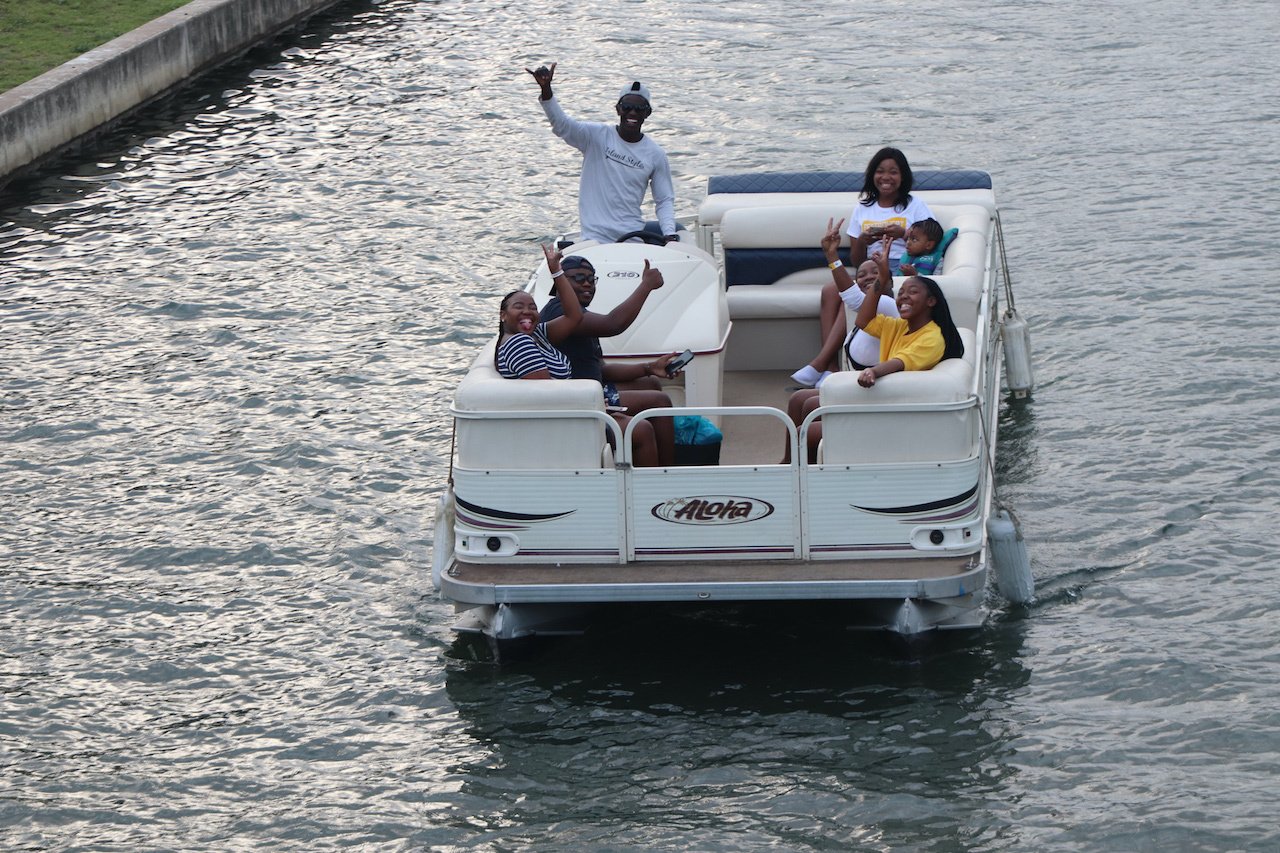
Glide through waterfront canals on a plush pontoon while taking in skyline views and historic sites
8 hours
Free Cancellation
Explore Durban's iconic landmarks, then journey to the Valley of 1000 Hills for Zulu traditions and wildlife
7.5 hours
Free Cancellation
Experience South Africa's premier UNESCO site on an unforgettable game drive through diverse ecosystems
6 hours
Free Cancellation
Explore Gandhi's legacy, township life, coastal beauty, and Durban's cultural landmarks in one day
8 hours
Free Cancellation
Spend a full day exploring one of Africa's premier oceanariums with dolphins, sharks, and hands-on encounters
14 hours
Free Cancellation
Explore two exceptional game reserves on this sunrise-to-sunset wildlife adventure from Durban
10 hours
Free Cancellation
Discover hippos and crocodiles on a wetland cruise, then track elephants and giraffes on an open-vehicle safari
Meet at Wilson's Wharf before your departure
Safety briefing and vessel embarkation
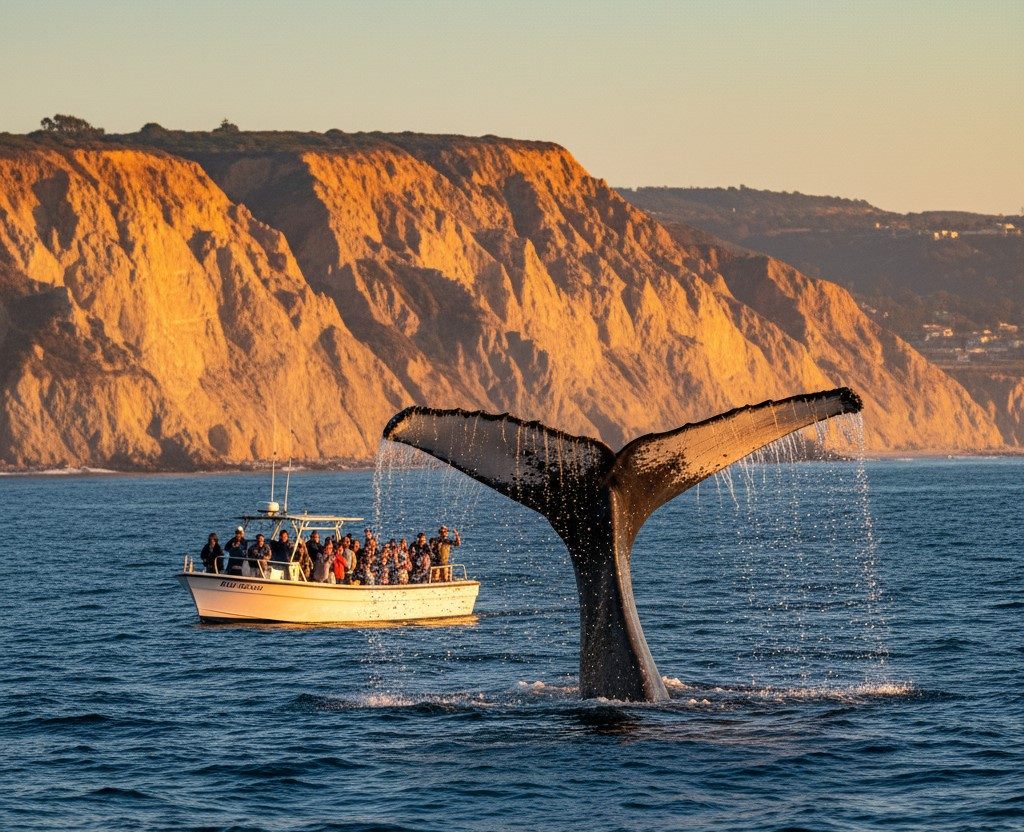
Ocean search for humpback whales and dolphins
You arrive at Wilson's Wharf by 10:00, the timber boardwalk still cool underfoot, the harbour stretching east toward the Indian Ocean breakwater. Check-in happens at the Isle of Capri kiosk, where crew members brief you on safety protocols and issue life jackets sized for open-water conditions.
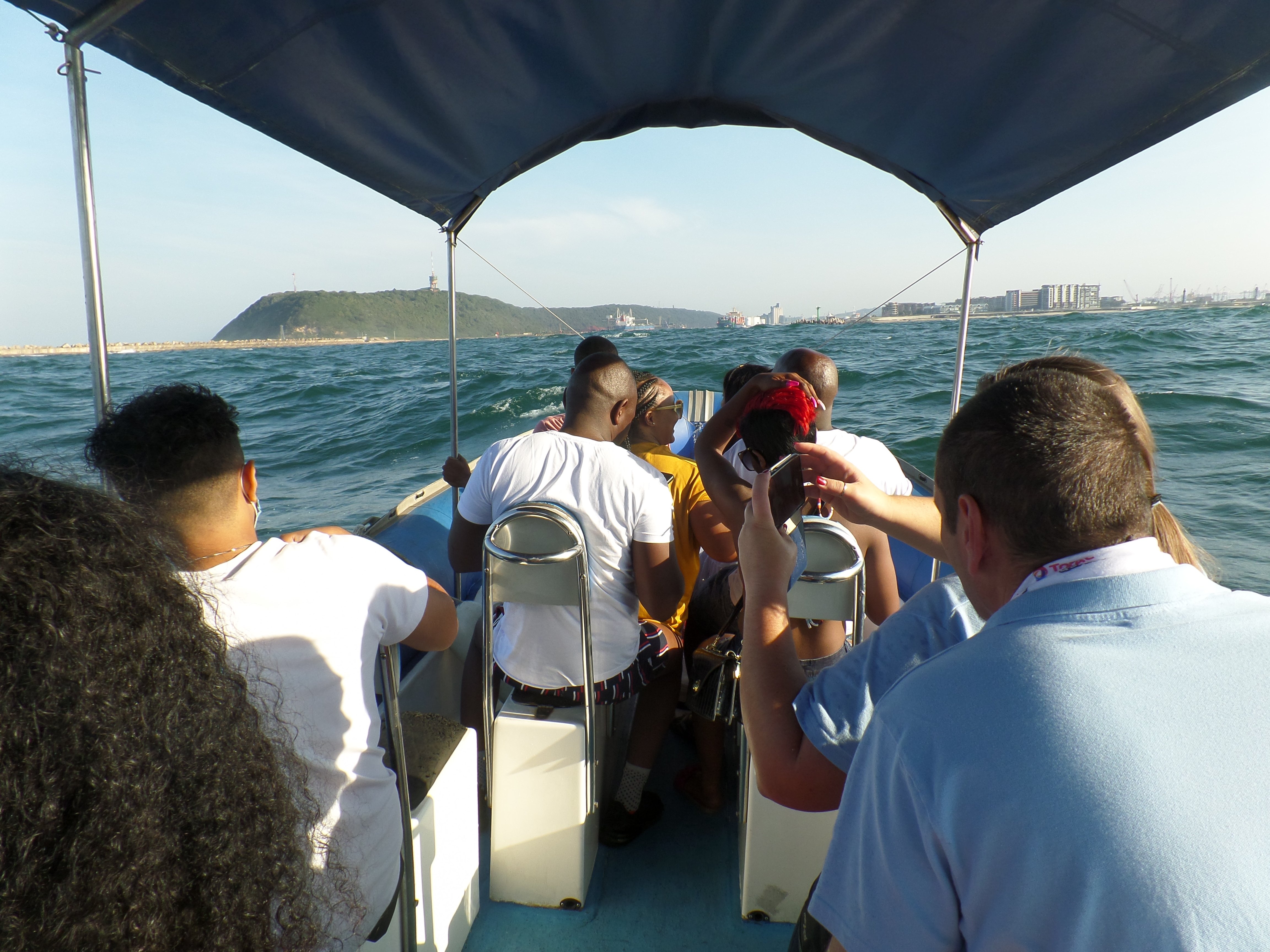
You board a rigid-hulled inflatable or catamaran cruiser—capacity rarely exceeds thirty passengers—and settle onto bench seating as the skipper eases away from the dock.
The vessel clears the harbour entrance within fifteen minutes, diesel engines throttling up as the bow meets the first low swells. You scan the horizon, binoculars passed between passengers, while the marine guide explains how to identify blow spouts and dorsal fin profiles. The skipper follows radio chatter from other boats, coordinating sightings across a ten-kilometre search grid. When a pod surfaces, the engines cut to idle and you drift within thirty metres, the animals circling beneath the hull, their exhalations audible as wet percussive coughs.
Humpback dolphins often appear closer to shore, their hunting behaviour marked by synchronized dives and sudden directional changes. You photograph the encounters, the guide narrating species identification points and conservation status updates. The return leg tracks the coastline, the city skyline sharpening as you re-enter calmer harbour waters, disembarking by midday with salt spray dried across your jacket and memory cards full.
All the details about your upcoming adventure in one place
The warm Agulhas Current sweeps north along the KwaZulu-Natal coastline at velocities exceeding four knots, carrying nutrient-rich water from the southern Cape into the subtropical Indian Ocean.
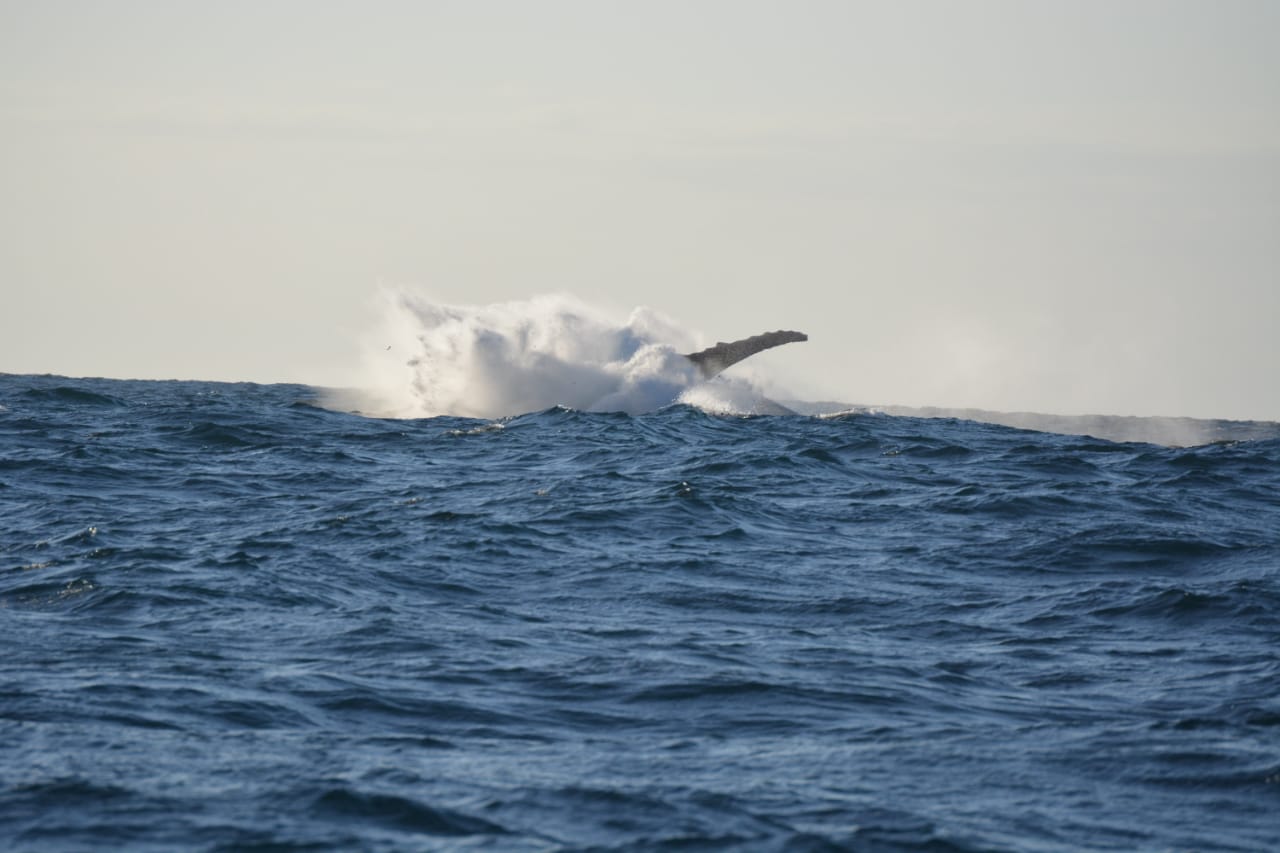
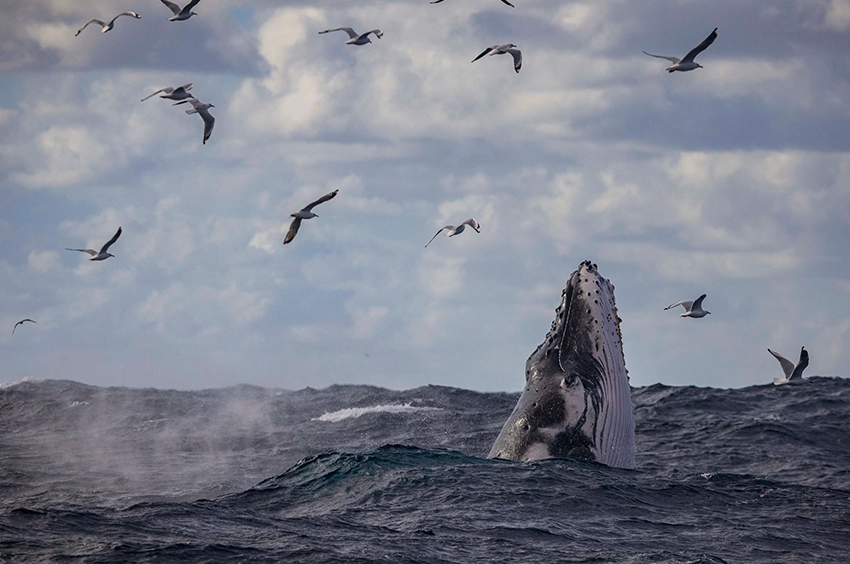
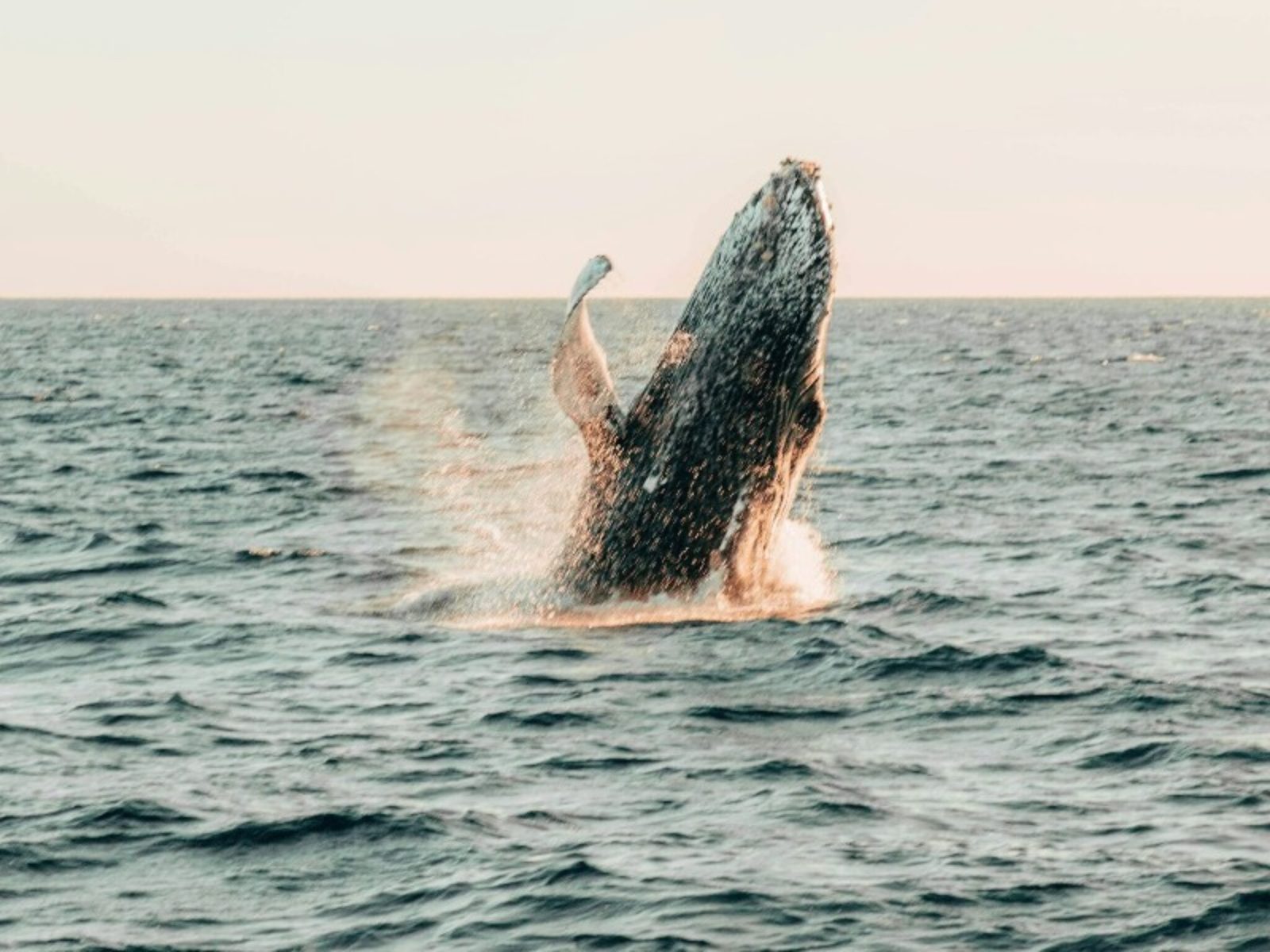
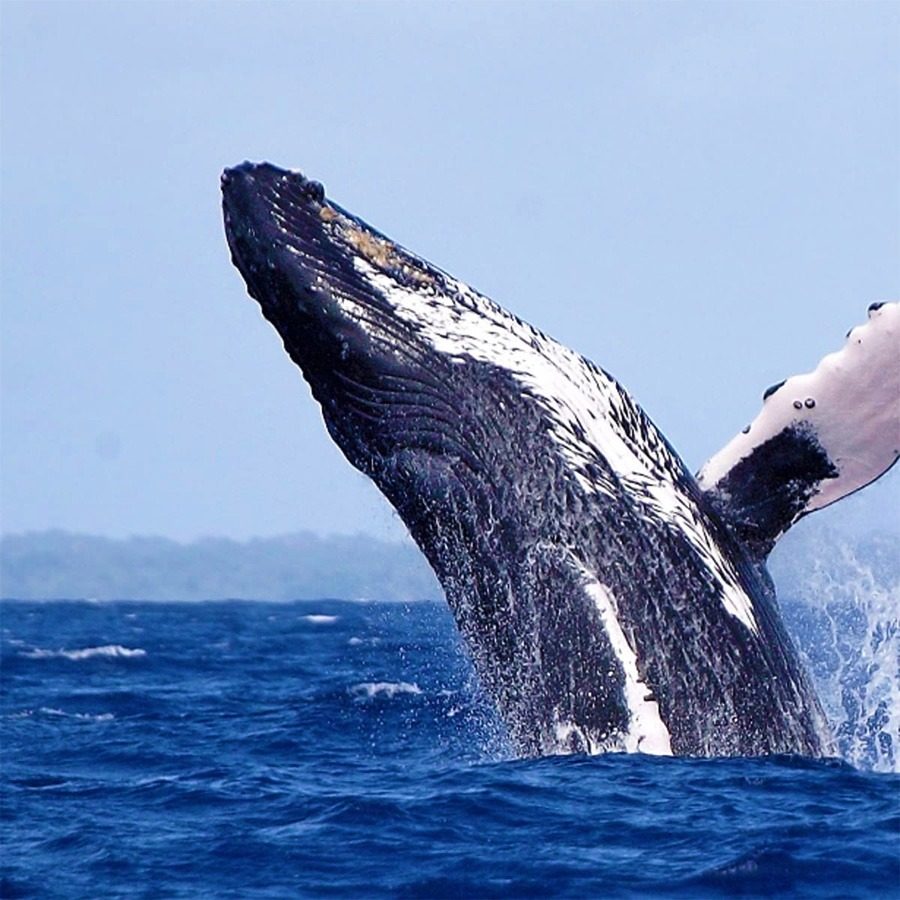
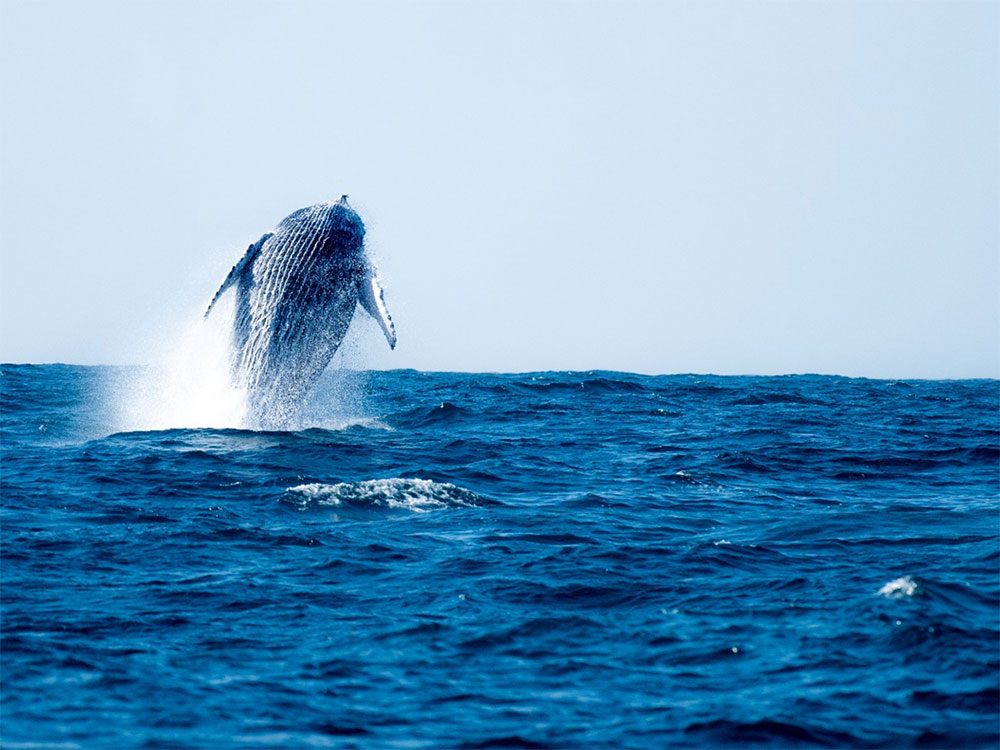
This collision of currents creates one of Southern Africa's most productive marine corridors, a migration highway for humpback whales travelling between Antarctic feeding grounds and equatorial breeding waters. Between May and November each year, pods of humpbacks pass within sight of Durban's harbour entrance, breaching and tail-slapping in waters rarely deeper than sixty metres. The spectacle draws marine biologists, photographers, and thousands of visitors eager to witness the annual procession from the deck of a vessel.
Durban's whale watching infrastructure centres on Wilson's Wharf, a timber-decked marina complex built in the early 2000s on reclaimed land at the northern edge of Durban Harbour. The wharf serves as the departure point for ocean safaris aboard rigid-hulled inflatables and catamaran cruisers, vessels equipped with hydrophones and staffed by skippers trained in cetacean behaviour protocols. Most departures follow a northeast trajectory beyond the harbour breakwater, tracking the continental shelf where sightings concentrate. Humpback dolphins, endemic to the region, patrol the shallower inshore waters year-round, their distinctive humped dorsal fins breaking the surface in coordinated hunting formations. Loggerhead and leatherback turtles, both endangered, drift through these same channels during summer months.
The Durban whale watching tour operates daily between 10:00 and 16:00, with morning departures preferred for calmer sea conditions and optimal light angles. Standard adult tickets are priced at 1,150 ZAR per person, granting access to a two-hour voyage under the supervision of a marine guide. The tour's success rate varies with season and weather: peak sightings occur between July and September when humpback numbers reach their apex, but even off-peak months yield frequent dolphin encounters and seabird activity. Booking systems managed by Isle of Capri, the primary operator at Wilson's Wharf, handle capacity allocation and real-time weather updates. Contact details are available through +27313053099 or the operator's official site at isleofcapri.co.za.
The broader ecosystem supporting these tours includes a network of marine conservation NGOs, university research stations, and volunteer spotter programmes. Data collected during commercial voyages feeds into population monitoring efforts coordinated by the KwaZulu-Natal Sharks Board and the Oceanographic Research Institute. This citizen science dimension adds weight to each departure, transforming leisure excursions into contributions to long-term ecological records.
The Agulhas Current sweeps north at velocities exceeding four knots, creating one of Southern Africa's most productive marine corridors.
Wear comfortable, non-slip footwear suitable for a boat deck. Bringing a windbreaker or warm jacket is recommended due to ocean breezes.
Only small, soft-sided bags are permitted on board. Large backpacks or hard-shell luggage must be left behind for safety.
Photography is encouraged during your durban whale watching tour. Use a waterproof casing or protective bag to shield equipment from sea spray.
Children are welcome on board when accompanied by an adult. Safety life jackets are provided for all young passengers.
The durban whale watching tour boarding area is located at Wilson's Wharf. Guests with limited mobility should notify the operator in advance to arrange assistance.
Outside food is generally not permitted on the vessel. Guests should consume meals at Wilson's Wharf before departing on their durban whale watching tour.
Opening Hours
10:00–16:00
Address
Wilson's Wharf, Durban Marina, Durban, South Africa
Accessibility
Contact operator for mobility requirements
Best Arrival Window
10:00–14:00
Storage
No secure storage available
Location
Durban Marina
Car · 30 min from airport · Variable cost
Parking is available at Wilson's Wharf with multiple secure lots. Follow signs for Durban Marina
Taxi · 20 min · Moderate cost
Ride-sharing services drop off directly at the Wilson's Wharf entrance
Cancellations must be made within the operator's specified window to qualify for a refund. No refunds are provided for no-shows or late arrivals regarding the 1,150 ZAR entrance fee.
Recommended time
2-3 hours
Planning your durban whale watching tour requires careful attention to maritime conditions, as a 2-3 hour window ensures sufficient time for boat transit and marine life observation. Visitors should prioritize the 10:00–14:00 window, as calmer morning sea conditions and optimal lighting improve the likelihood of successful dolphin sightings during these Durban marine excursions. Most travelers find that securing durban whale watching tour tickets for the earliest slot provides the best balance of ocean tranquility and manageable harbor activity. Those opting for later durban whale watching tour tours may encounter slightly choppier waters, though the experience remains consistent throughout the operational day.
Crowd levels through the day
Weather · crowds · average price — dots go green to amber to red as each metric rises.
Peak season for humpback whale migrations along the coast. Expect cooler temperatures and higher sightings potential.
Calmer sea conditions often persist. This is an ideal time for a durban whale watching tour as mothers and calves remain in the area.
Take motion sickness medication at least one hour before your durban whale watching tour starts. Consult your pharmacist for the best options.
Bring your own pair of compact binoculars to spot distant breaches. The boat crew will assist in locating marine life during the durban whale watching tour.
Wilson's Wharf, Durban Marina
Look for the designated boat charter signage
Get directionsDurban's whale watching industry emerged in the late 1990s when commercial operators first capitalized on the annual sardine run and humpback whale migration along the KwaZulu-Natal coast. The city's deep-water harbor and proximity to the Agulhas Current created ideal conditions for marine mammal observation. By 2001, dedicated whale watching tours launched from Wilson's Wharf, transforming recreational fishing charters into specialized wildlife expeditions. Early operators faced skepticism from conservationists who questioned whether motorized vessels would disturb migratory pods traveling between Antarctic feeding grounds and tropical breeding waters. The industry nearly collapsed in 2008 when new maritime regulations restricted vessel proximity to cetaceans. Operators at Durban Marina adapted by implementing strict observation protocols and investing in hydrophone equipment to track whale vocalizations without visual pursuit. This shift aligned with international best practices and earned endorsement from the South African Whale and Dolphin Conservation Society. Between 2010 and 2015, sighting success rates climbed above seventy percent during peak migration months as captains learned to predict pod movements using ocean temperature data and plankton bloom patterns. Durban whale watching tour operators now contribute to citizen science programs coordinated by the University of KwaZulu-Natal. Captains log GPS coordinates and behavioral observations for humpback whales, southern right whales, and Bryde's whales that frequent the continental shelf. The transition from opportunistic tourism to research-backed excursions has stabilized the sector. Modern durban whale watching tour tickets include educational briefings on marine conservation, a requirement introduced in 2019 after complaints about vessels overcrowding whale corridors. What began as improvised fishing trips has evolved into a regulated ecotourism model balancing commercial viability with species protection along the Durban coastline.
Commercial operators begin offering marine wildlife excursions during the annual sardine run along the KwaZulu-Natal coast.
Dedicated whale watching tours launch from Wilson's Wharf, converting fishing charters into specialized cetacean observation vessels.
New maritime proximity regulations threaten the industry, forcing operators to adopt non-invasive tracking methods including hydrophone technology.
Sighting success rates exceed seventy percent as captains refine prediction methods using oceanographic data and migration patterns.
Educational conservation briefings become mandatory for all commercial whale watching departures from Durban Marina.
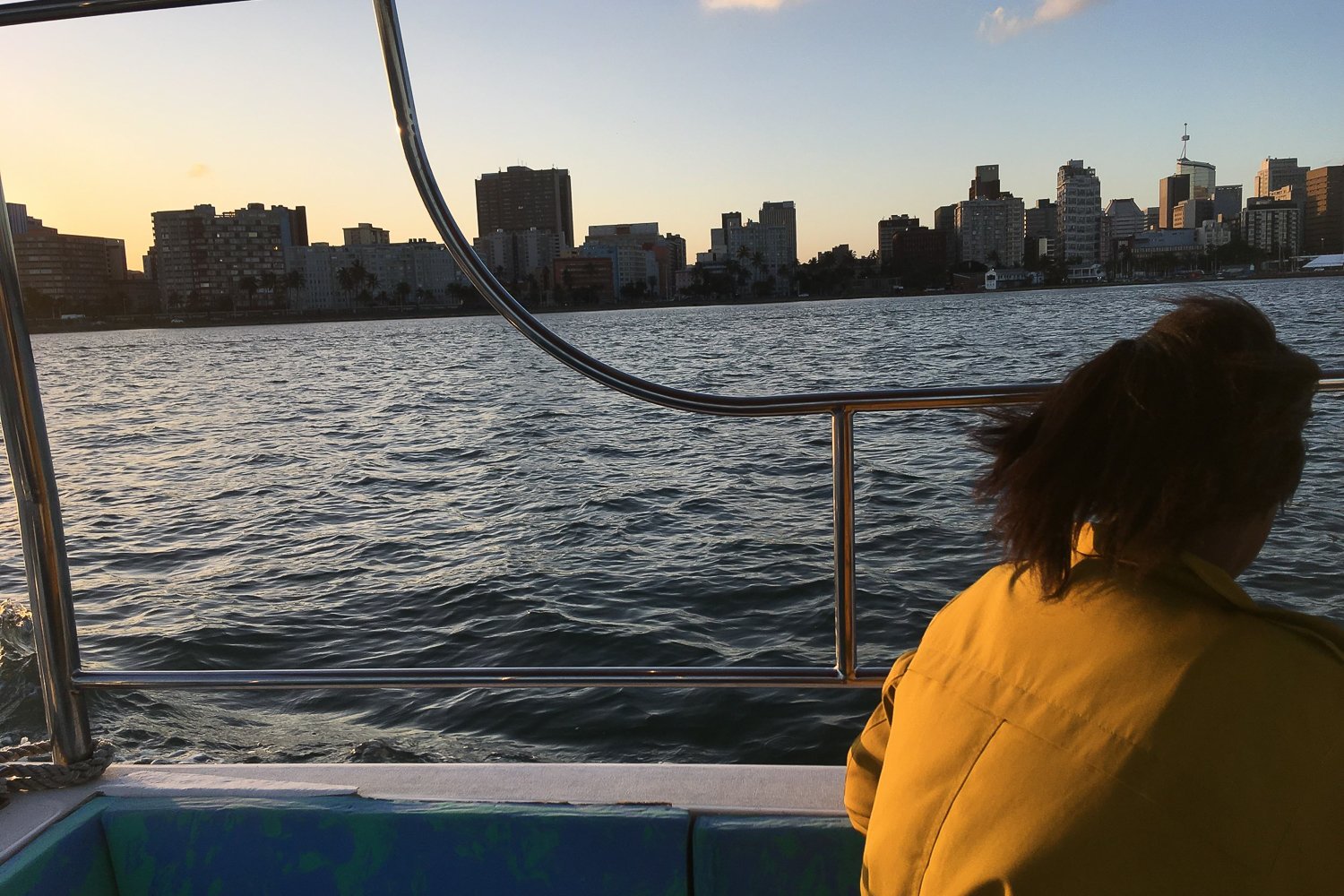
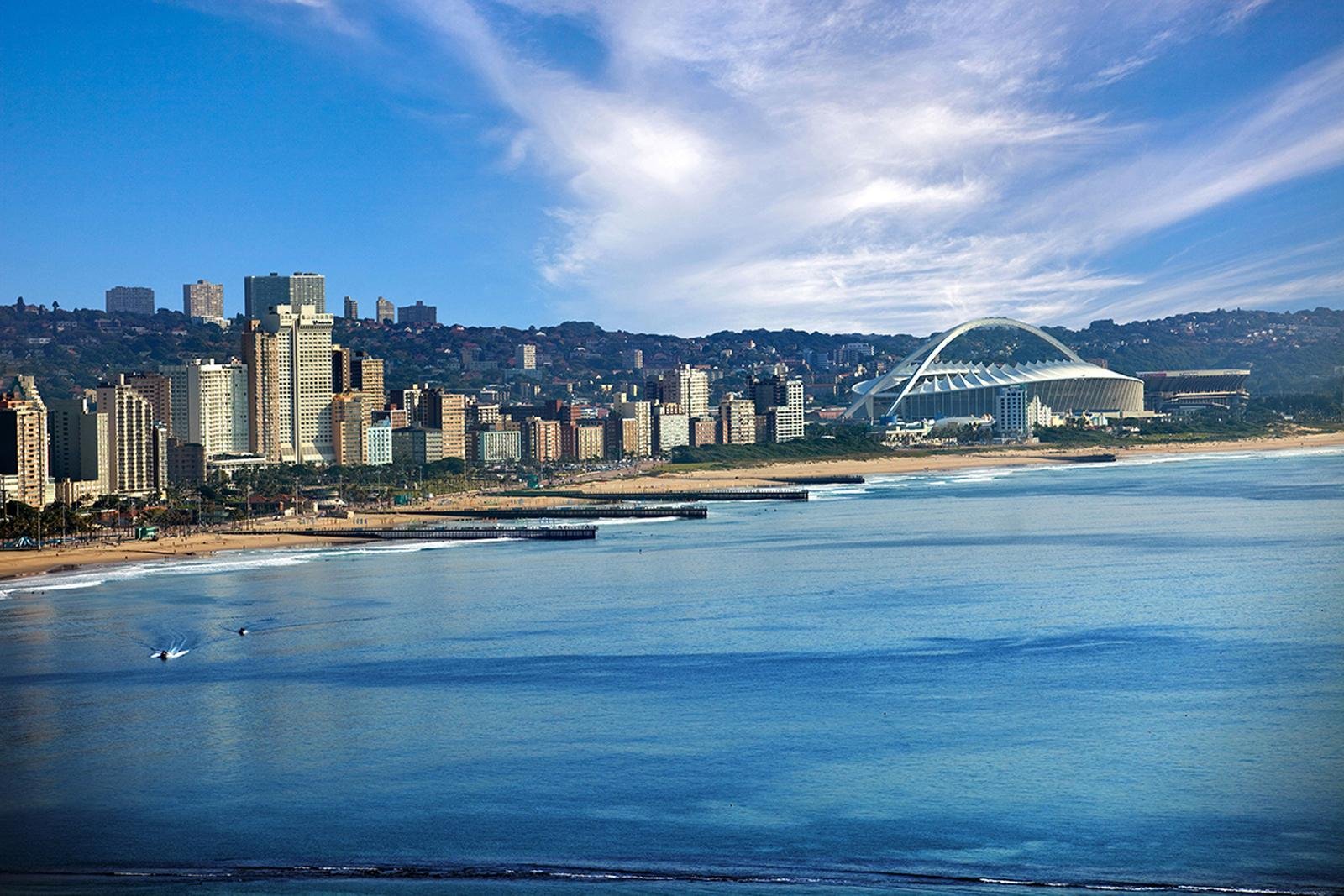
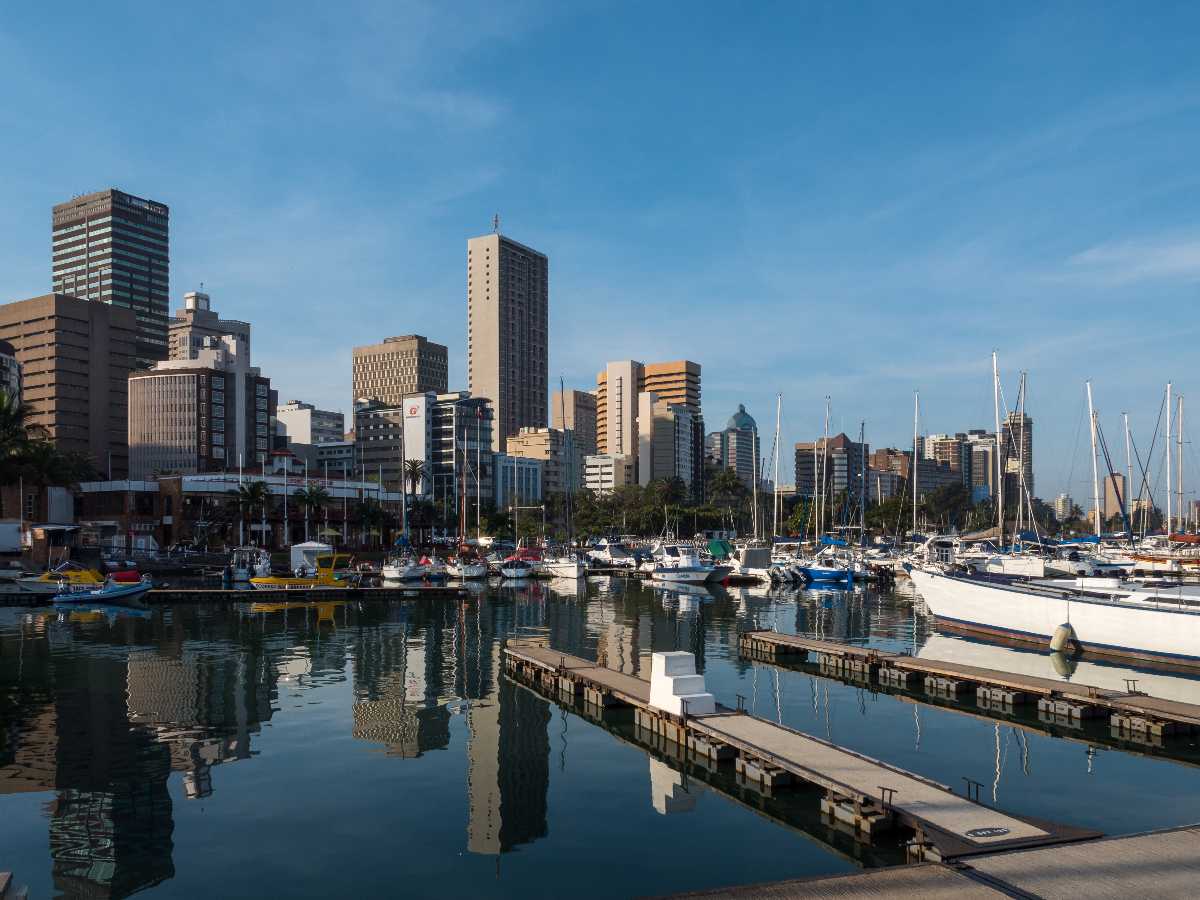
Stand at the edge of the wooden decking to capture the boat departing the harbor with the city skyline in the background. This is the primary boarding point for a durban whale watching tour.
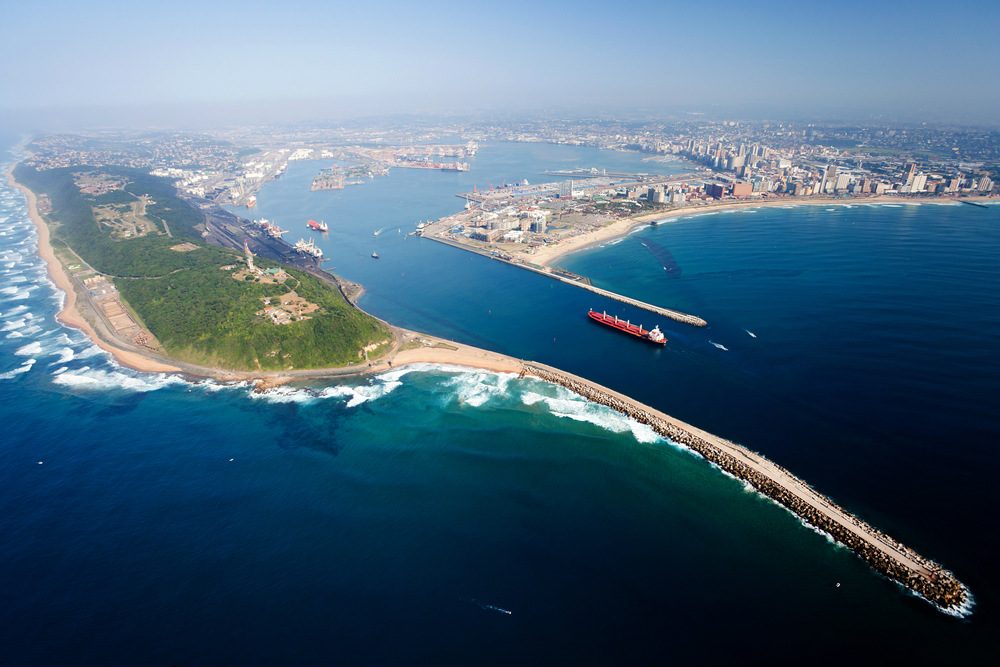
Position yourself near the harbor mouth to photograph the vessel navigating the channel as it heads toward the open ocean. This spot offers a clear view of the deep blue water and passing marine life.
Walk to this location to capture wide-angle shots of the coastline and the horizon where sightings often occur during durban whale watching tour tours. Ensure your lens is protected from sea spray.
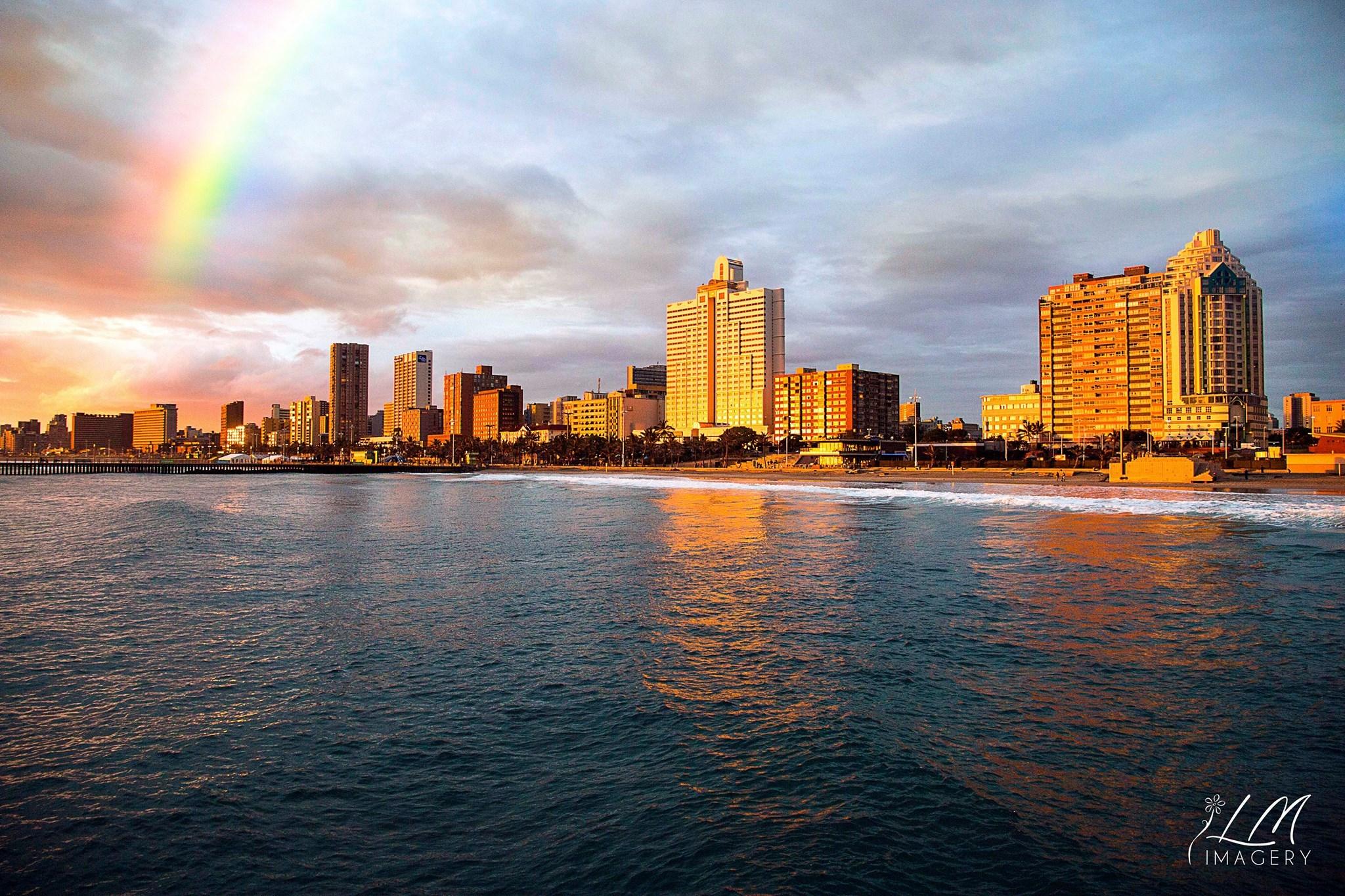
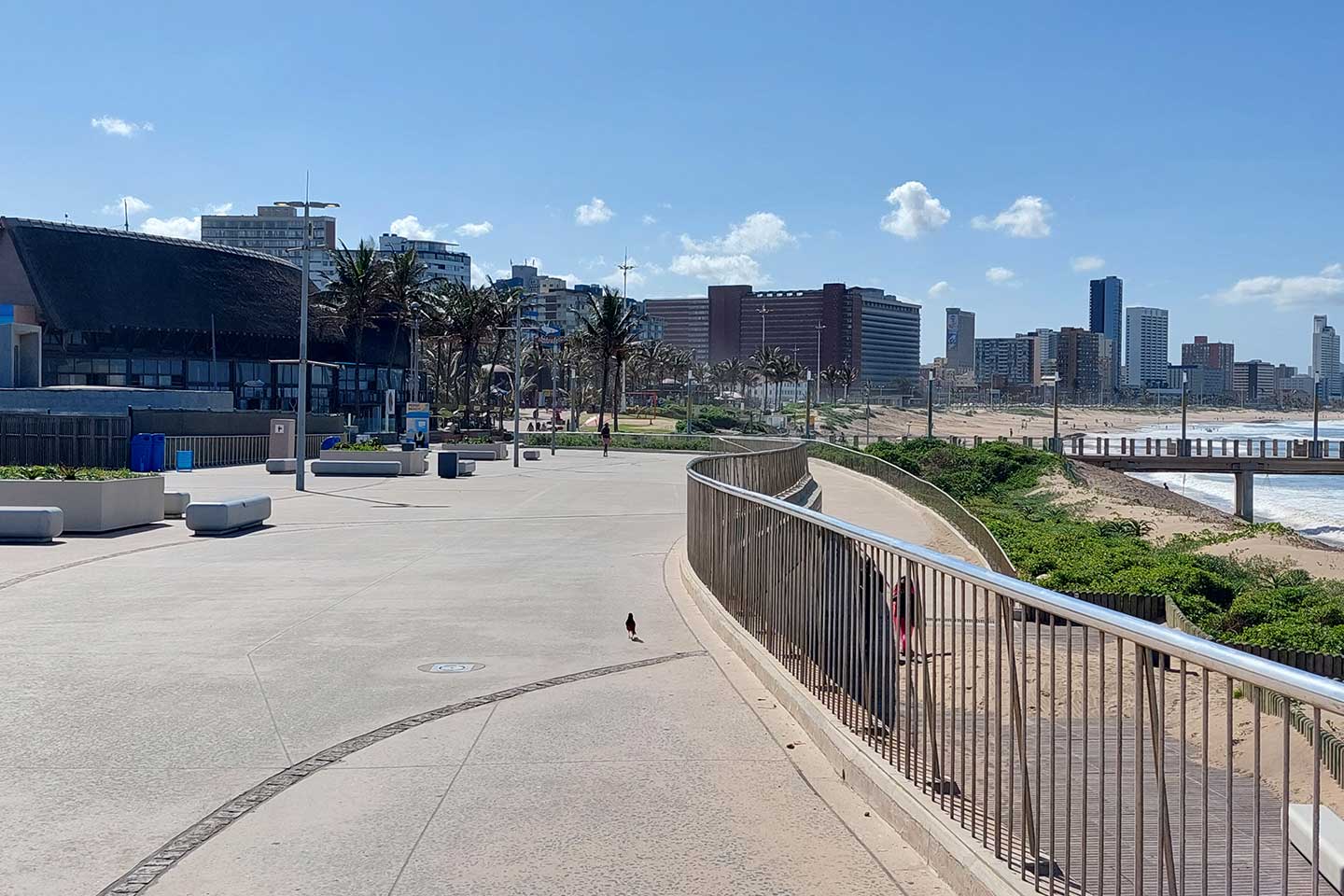
Capture the transition between the urban architectural elements and the expansive Indian Ocean from this elevated walkway. It provides an ideal vantage point for tracking boats returning from a durban whale watching tour tour.
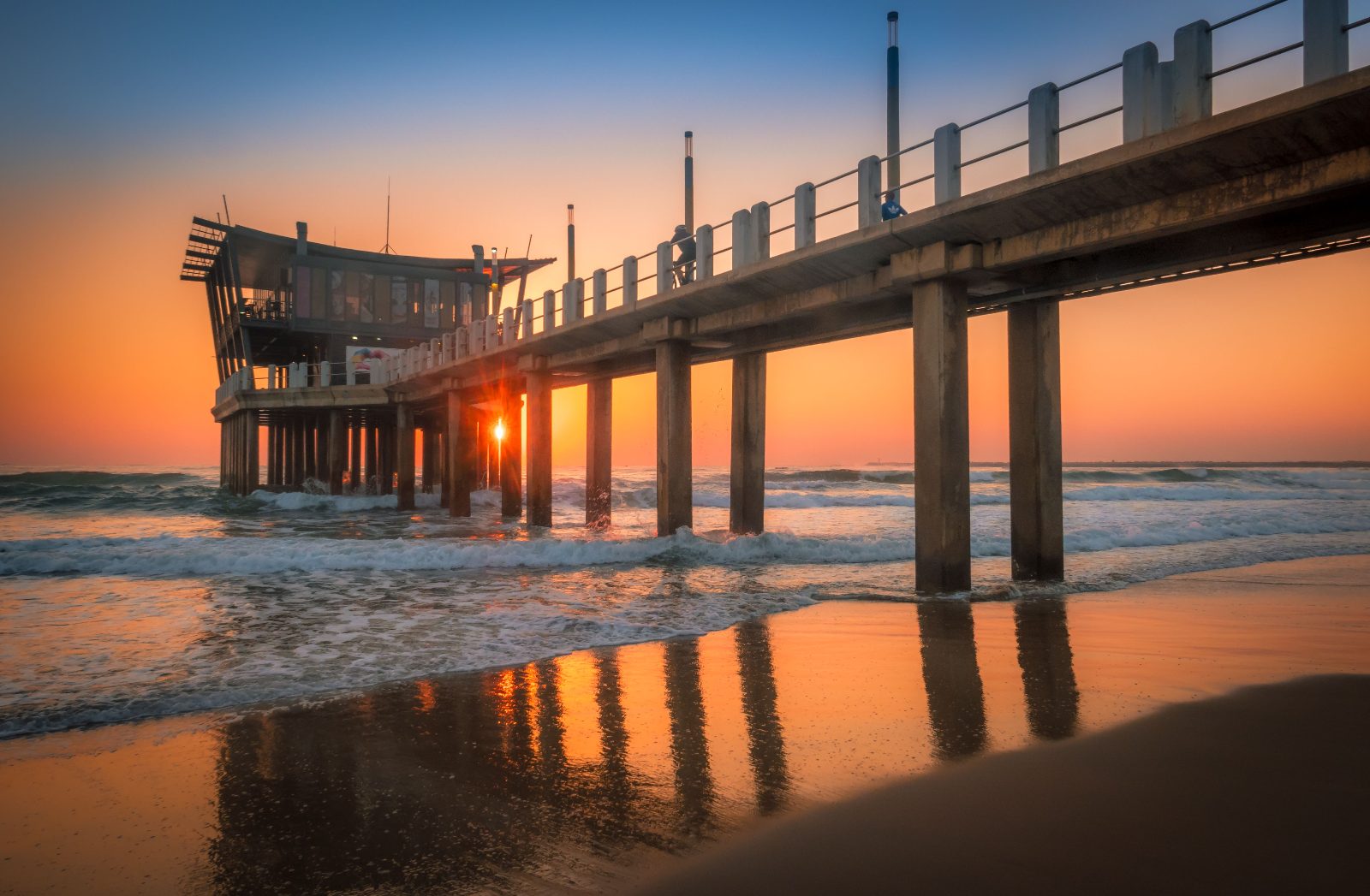
Use this location to frame the coastal perspective while waiting for the return of durban whale watching tour tickets holders. The composition benefits from the long leading lines of the jetty structure.
Embarking on a durban whale watching tour offers children a unique perspective of marine life in their natural habitat. Preparing for the ocean environment ensures your family experiences a comfortable journey while searching for dolphins and migrating whales.
Ensure children wear appropriately sized life jackets provided by the crew throughout the entire durban whale watching tour tour. Keep little ones centered in the boat to maintain stability as the vessel navigates open water.
This ocean excursion is best suited for children who can sit still comfortably for the duration of the trip. The movement of the boat makes this durban whale watching tour tours experience better for older children who are not prone to motion sickness.
There are limited amenities on board, so please visit the restrooms at Wilson's Wharf, Durban Marina, Durban, South Africa before departure. Bringing hand sanitizer and wet wipes is recommended for quick cleanup during your durban whale watching tour tickets experience.
We recommend the 10:00–14:00 window, as calmer morning sea conditions help younger passengers stay comfortable while scanning for marine mammals. This schedule provides optimal lighting for photographs of the Durban coastline.
Wilson's Wharf offers a variety of waterfront dining options, making it convenient to grab a meal before or after your durban whale watching tour. Visitors can enjoy local maritime cuisine while watching the marina activity, with several restaurants located just steps from the departure point for durban whale watching tour tours.
This venue serves casual seafood and grilled dishes with direct harbor views. It is an ideal spot to relax while waiting for your durban whale watching tour tour to begin.
Famous for its diverse seafood platters and shellfish, this is a popular choice for a sit-down meal. Consider booking ahead if you have secured your durban whale watching tour tickets for a weekend.
A laid-back venue known for its burgers, cocktails, and live sports atmosphere. It provides a quick and reliable stop for visitors looking to grab a drink after exploring Durban landmarks.
Everything you need to know for your journey
The operator is open Monday through Sunday from 10:00–16:00. These hours apply to all seven days of the week.
Standard adult durban whale watching tour tickets cost 1,150 ZAR per person.
The best arrival window for your durban whale watching tour is 10:00–14:00 to ensure calm sea conditions.
Access varies by vessel, so please contact the operator to discuss specific needs for your durban whale watching tour experience.
Food is not permitted on board; please eat at Wilson's Wharf before your durban whale watching tour begins.
Refunds or rescheduling are provided according to the cancellation policy if the durban whale watching tour is cancelled due to weather.
Cameras are highly recommended on every durban whale watching tour. Just ensure they are protected from ocean spray.
The meeting point for the durban whale watching tour is Wilson's Wharf, Durban Marina, Durban, South Africa.
Yes, children are welcome on the durban whale watching tour, though they must be supervised by an adult at all times.
Explore historic vessels and maritime history in Durban.
A hub for local art and cultural exhibitions.
High-end stays overlooking the yacht basin.
Contemporary units located near the departure point.
Join thousands of happy travelers who have discovered this incredible experience
Book Your Experience Now