Quick answer
Humpback whales are the primary species in Durban waters, migrating past the coast from June through November with peak activity in July and August. Southern Right whales appear less frequently, typically from July to October, and favor sheltered bays. Both species travel northward to breed in warmer Indian Ocean waters before returning south with their calves.
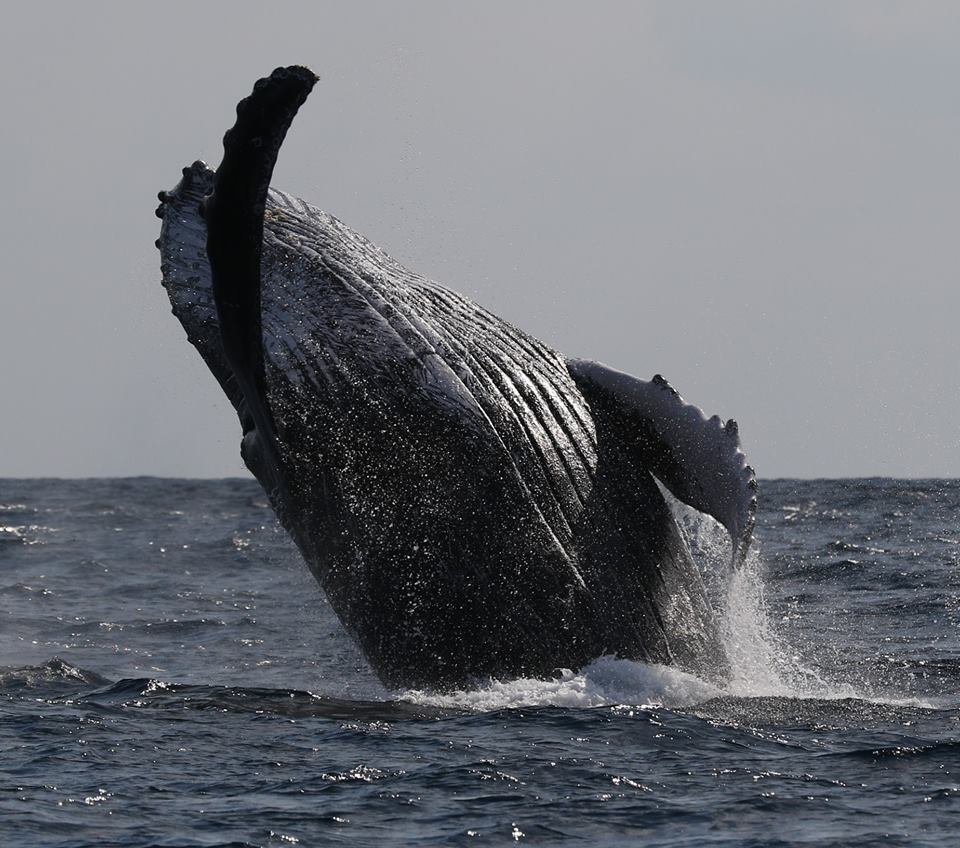
More than 3,000 humpback whales pass Durban's coastline each winter, making the city one of the Southern Hemisphere's most reliable whale migration observation points. The whales follow the warm Agulhas Current northward from sub-Antarctic feeding grounds toward Mozambique and Madagascar, where they breed and calve in tropical shallows. The return migration peaks in October and November, when mothers escort newborn calves southward through the same corridor. Humpback whales dominate sightings along The Bluff's elevated vantage points, where their distinctive blow spouts and occasional breaches are visible from shore. Adults reach 12 to 16 meters in length and display long pectoral fins that distinguish them from other baleen whales. Behavioral patterns shift between the northbound and southbound legs: northbound whales travel steadily in small groups, while southbound pairs of mothers and calves move more slowly and remain closer to shore for protection. Southern Right whales migrate through Durban waters in smaller numbers, with seasonal sightings concentrated in the midwinter months. These whales are identifiable by their stocky build, absence of a dorsal fin, and callosities—white, raised patches of hardened skin on the head. Unlike humpbacks, Southern Rights frequently linger in shallow bays, making them easier to observe during extended surface intervals. The species was hunted to near-extinction by the early 20th century, and their gradual return to South African waters reflects decades of protection under international conservation agreements. Occasional sightings include Bryde's whales, a resident species that remains in South African waters year-round, and minke whales during the peak migration window. Bryde's whales are smaller and less predictable, typically appearing alone or in pairs offshore rather than in coastal migration lanes. Understanding what whales are in Durban depends on timing: the austral winter months of June through November offer near-daily humpback sightings, while Southern Right whales require patience and familiarity with their preferred shallow-water zones along the KwaZulu-Natal coast.
“More than 3,000 humpback whales pass Durban's coastline each winter, making the city one of the Southern Hemisphere's most reliable whale migration observation points.”
Which Whale Species Appear in Durban Waters?
The KwaZulu-Natal coastline serves as a primary corridor for large cetaceans traveling between sub-Antarctic feeding grounds and tropical breeding waters. Humpback and Southern Right whales are the most frequently observed species during this annual migration.
Humpback Whale Migration
These whales travel approximately 5,000 kilometers from Antarctica to reach the warmer waters off the South African coast. They are known for complex vocalizations and surface behaviors such as breaching.
Southern Right Whale Sightings
Easily identified by the white callosities on their heads, these whales frequent coastal waters to calve. They are often spotted closer to the shoreline compared to other baleen species.
Cetacean Migration Patterns
The migration occurs annually as whales move north during winter months and return south in spring. Durban provides a vantage point to observe this transit along the Indian Ocean route.
Baleen Whale Feeding Habits
Humpback and Southern Right whales are filter feeders that primarily consume krill and small schooling fish. They rely on massive energy reserves gathered in polar waters to sustain them during the migration.
Marine Biodiversity in Durban
The warm Agulhas Current influences local marine life, supporting the seasonal presence of migratory giants. While humpbacks and Southern Rights are primary visitors, various dolphin species also inhabit these waters year-round.
Whale Surface Behaviors
Observers often identify species by distinct actions such as tail slapping or pectoral fin waving. These physical displays are characteristic of humpback social interactions during their time in regional waters.
When Is the Best Time to See What Whales Are in Durban?
The peak whale migration season in Durban occurs from June to November, when Humpback and Southern Right whales travel along the coastline. To secure the most favorable conditions, aim for the early morning window when sea states are typically at their calmest.
June to August
Moderate18–23°C; cool and dry
These months mark the beginning of the migration period with frequent sightings.
September to November
High20–25°C; warmer and humid
Activity remains high as whales move south toward feeding grounds.
06:00–10:00
Low—
Early mornings offer the calmest seas and best visibility for spotting whale activity.
Verdict: The best time to observe whale activity is between June and November, specifically during the best arrival window of 06:00–10:00.
Reaching the Best Spots to See What Whales Are in Durban
The Bluff serves as the primary vantage point for observing whale activity along the Durban coastline. Visitors can reach this area via The Bluff, Durban, KwaZulu-Natal, South Africa.
M4 Southern Freeway towards The Bluff
Direct service to The Bluff
Durban Transport routes to Bluff Road
A Pre-Visit Checklist for Finding What Whales Are in Durban
Prepare for coastal whale watching with the right gear and timing to maximize your chances of spotting migrating species.
-
Check the weather forecast — Rough seas and strong winds reduce visibility and make spotting whales difficult.
-
Bring binoculars (8x or 10x magnification) — Whales often surface hundreds of meters offshore, beyond naked-eye detail.
-
Wear layered, windproof clothing — Coastal winds along The Bluff can be cold and persistent, even on warm days.
-
Arrive between 06:00 and 10:00 — Early mornings offer the calmest seas and clearest conditions for whale activity.
-
Pack sun protection and water — Extended scanning sessions expose you to UV and require hydration.
-
Download a whale identification guide — Helps distinguish humpback, southern right, and Bryde's whales in real time.
Check availability
Frequently asked questions about what whales are in durban
Everything you need to know about what whales are in durban