

Quick answer
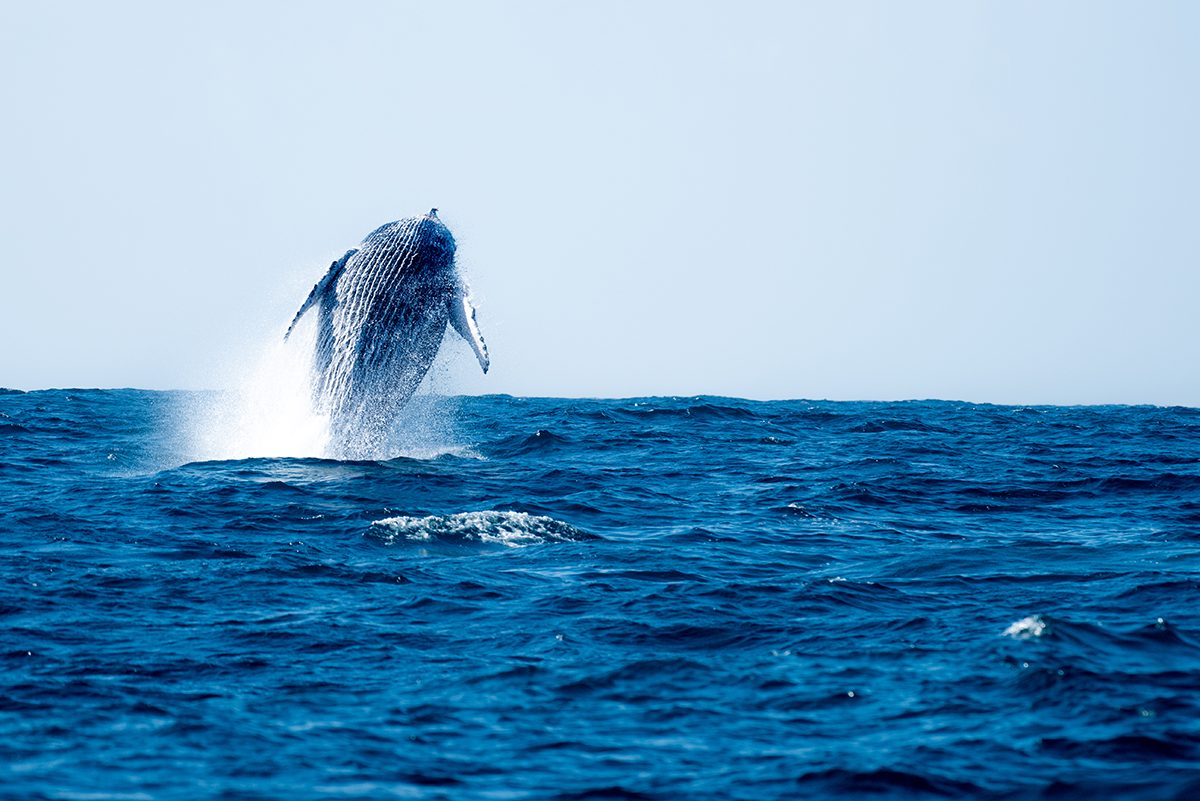
The best time for whale watching in Durban is between 08:00 and 12:00, when calmer sea conditions generally offer better viewing and smoother boat rides. Humpback whales migrate past the KwaZulu-Natal coast during winter and spring months, and morning departures provide optimal light for spotting spouts and breaches while avoiding the afternoon wind that roughens the Indian Ocean surface.
The Indian Ocean off Durban's coast sees over 3,000 humpback whales pass annually during their northern migration from Antarctic feeding grounds to tropical breeding waters. These mammals surface every 7 to 15 minutes to breathe, and spotting them depends as much on sea state as on population density. Morning departures between 08:00 and 12:00 offer the calmest conditions. The prevailing southwesterly wind typically strengthens after midday, creating chop that makes whale spouts harder to distinguish from whitecaps and increases the likelihood of seasickness. Early light also produces better contrast for photography—cetacean dorsals and flukes stand out sharply against low-angle sun reflection. Tour operators based at Wilson's Wharf in Durban Central schedule most trips within this window, though shore-based viewing from vantage points along the Bluff remains accessible throughout the day at no cost. Whale behavior itself shows little hourly variation during migration. Humpbacks travel at a steady 5 to 10 kilometers per hour regardless of time, surfacing and diving on their own respiratory rhythm. What changes is your ability to see them. Afternoon glare off the water reduces visibility, and rougher seas force boats to reduce speed or cut trips short. Calm mornings also allow captains to approach the legal 300-meter observation distance more easily, giving passengers clearer views of breaches, pectoral slaps, and calf behavior. The migration peaks in July and August, when daily sightings approach certainty during optimal weather. Outside these months, what time is the best for whale watching in Durban remains the same—early departures still outperform afternoon slots—but encounter rates drop as the population thins. Operators run trips year-round from Wilson's Wharf, adapting to real-time marine conditions rather than fixed schedules. Booking a morning slot during peak migration months delivers the highest probability of extended sightings in comfortable sea conditions.
“Morning departures between 08:00 and 12:00 offer the calmest conditions, with prevailing winds typically strengthening after midday.”
What Time Is The Best For Whale Watching In Durban Daily and Seasonally
The best time for whale watching in Durban is during the morning hours, when sea conditions are typically calmer. Peak migration activity occurs annually between June and November as humpback and southern right whales move through KwaZulu-Natal waters.
June to August
Low to moderate18°C to 23°C; cool and stable
Humpback whales begin their northern migration during these months.
September to November
High20°C to 25°C; warmer temperatures
This period marks the peak for sightings as whales return south with calves.
Morning arrival (08:00–12:00)
Moderate—
Calmer sea conditions during this window offer better viewing and smoother boat rides.
Verdict: For the best experience, plan your visit between June and November, arriving during the 08:00 to 12:00 window.
Operational Hours for What Time Is The Best For Whale Watching
The whale watching departure point at Wilson's Wharf remains accessible throughout the week. Visitors may access the facility at any hour.
| Monday | 00:00–23:59 | |
|---|---|---|
| Tuesday | 00:00–23:59 | |
| Wednesday | 00:00–23:59 | |
| Thursday | 00:00–23:59 | |
| Friday | 00:00–23:59 | |
| Saturday | 00:00–23:59 | |
| Sunday | 00:00–23:59 |
Entrance Fees and Pricing for What Time Is The Best For Whale Watching
Shore-based whale watching at the coast is free of charge. Costs for offshore boat excursions depend on the individual tour operator chosen.
There is no fee for shore-based viewing, while boat tour prices vary depending on the specific operator selected.
Getting to the Location: What Time Is The Best For Whale Watching
Whale watching departures are located at Wilson's Wharf, Maritime Place, Durban Central. The most direct approach is via the M4 highway, which connects to the Durban harbor precinct.
M4 highway to Maritime Place
Direct to Wilson's Wharf
Follow signs for Wilson's Wharf from Durban Central
Essential Preparation for What Time Is The Best For Whale Watching
Morning departures between 08:00–12:00 offer calmer seas, so prepare gear that keeps you comfortable on the water.
-
Book your tour in advance — Operators fill morning slots quickly during peak season.
-
Pack broad-spectrum sunscreen (SPF 30+) — Sun reflects off water, intensifying UV exposure even on cloudy days.
-
Bring motion sickness medication — Take tablets 30–60 minutes before departure for best effect.
-
Wear polarized sunglasses and a wide-brimmed hat — Reduces glare and protects eyes during extended ocean scanning.
-
Dress in layers with a windproof jacket — Morning temperatures drop on open water, especially at speed.
-
Carry a waterproof bag for electronics — Spray from waves can damage phones and cameras.
-
Confirm departure time the day before — Sea conditions occasionally shift morning schedules.
Check availability
Common questions about what time is the best for whale watching
Everything you need to know about what time is the best for whale watching