2 hr
Durban Ocean Whale & Dolphin Watching Expedition
- Entry ticket
- Mobile voucher
- Valid same day
- Free cancellation
Whale Watching Durban Prices — Ocean Expeditions & Marine Safaris
Humpback migrations off the Natal coast, two-hour sailings from dawn to mid-afternoon
Compare fares, pick the fit — all bookings are mobile-voucher and eligible for free cancellation where shown.
2 hr
30 min
1 hr
Visitors planning their ocean adventure should consider these whale watching durban prices to select the most suitable marine excursion. Choosing the right sea tour ensures a comfortable experience while viewing Durban landmarks from the water.
|
Top pick Whale Watching Expedition 2-Hour Boat Trip |
Harbour & Sea Cruise 1-Hour Sightseeing | |
|---|---|---|
| Entrance fee | 750 ZAR | — |
| Duration | 2 hours | 1 hour |
| Focus | Marine mammals and cetacean sightings | Harbour scenery and coastal views |
| Best for | First-timers seeking wildlife | Budget-minded visitors and families |
| Access method | Boat-based expedition | Boat-based sightseeing |
| See tickets & prices |
Verdict: For the best value on whale watching durban prices tickets, book the 2-hour expedition to maximize your chances of spotting migratory marine life.
Worth it for marine wildlife enthusiasts
The 750 ZAR per person expedition offers solid value if you prioritize marine mammal encounters over general harbor sightseeing. During peak season (June through November), humpback whales migrate along the KwaZulu-Natal coast, and sighting success rates hover around 70–80 percent on dedicated whale watching durban prices tours. The two-hour boat-based format includes expert commentary on cetacean behavior and Indian Ocean biodiversity, which elevates the experience beyond passive observation. Bottlenose dolphins and common dolphins appear year-round, providing reliable wildlife encounters even outside humpback migration windows. Compare this to the budget harbor cruises starting around 200–300 ZAR—those focus on industrial port infrastructure rather than offshore marine life. The whale watching durban prices tickets justify the premium through specialized routing to deeper waters where sightings concentrate. For casual tourists seeking general coastal views, the harbor boat tour alternatives deliver better cost efficiency. For anyone fascinated by cetaceans or marine ecology, the educational depth and targeted wildlife focus make the 750 ZAR investment worthwhile.
Bottom line: The expedition justifies its cost for wildlife-focused visitors, especially during humpback migration season when sighting rates peak.
They complement each other; most visitors who do both call the ocean-bound expedition the more thrilling choice. Travelers searching for whale watching durban prices frequently weigh the cost of these deep-sea wildlife excursions against the relaxed pace of calmer waterfront tours.
|
Top pick Whale Watching |
Harbour Cruise | |
|---|---|---|
| Primary Focus | Marine wildlife observation | Scenic city skyline views |
| Duration | 2 hours | 45–60 minutes |
| Target Audience | Wildlife enthusiasts | Families and sightseers |
| Price Perspective | 750 ZAR per person | 150–250 ZAR per person |
| Marine life | Dolphins and whales | None expected |
| Weather sensitivity | High; ocean dependent | Low; sheltered waters |
| See tickets & prices |
Verdict: Those interested in whale watching durban prices tours should prioritize the expedition for marine encounters, while the harbor cruise offers a budget-friendly alternative for casual sightseeing.
Hand-picked experiences loved by thousands of travelers
30 minutes
Free Cancellation
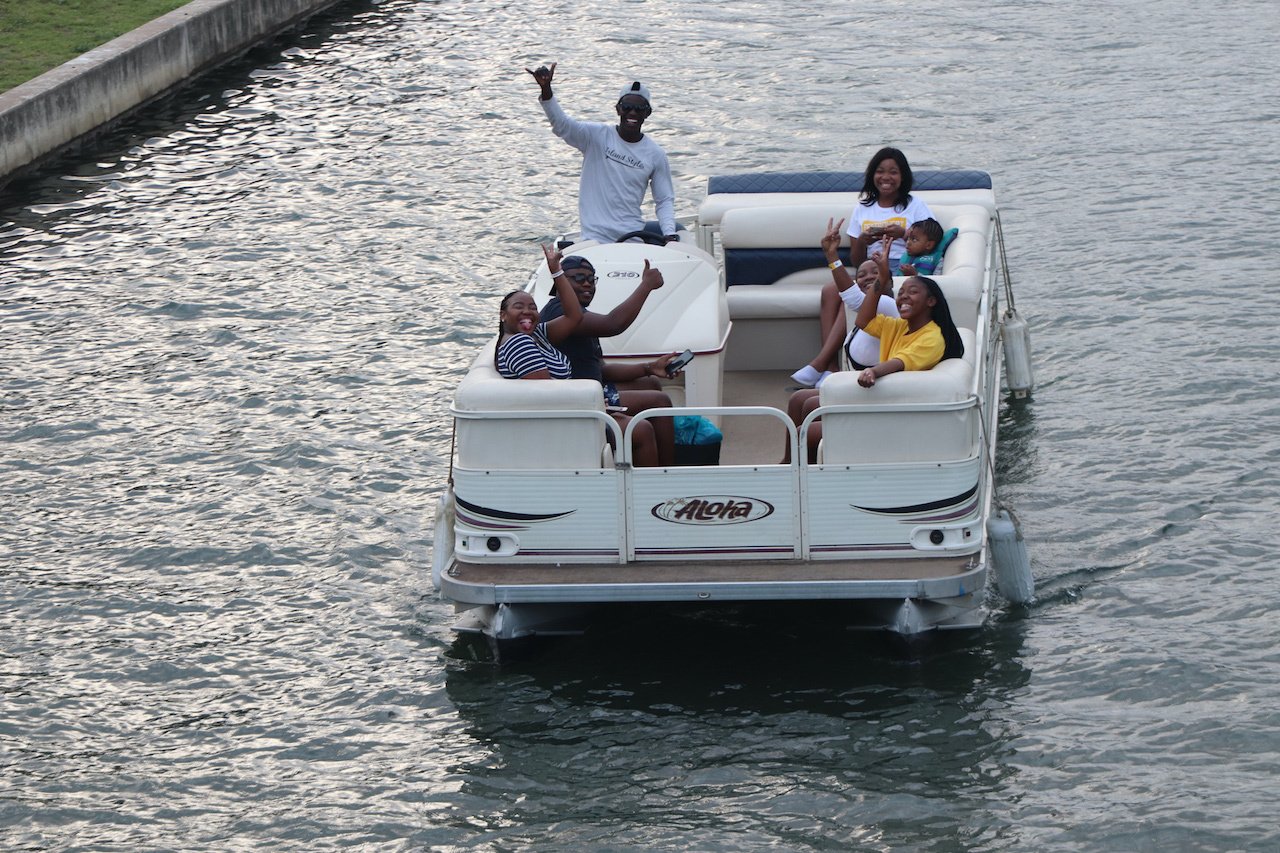
Glide through waterfront canals on a 30-minute luxury pontoon tour showcasing Durban's skyline and landmarks.
1 hour
Free Cancellation
Explore Africa's busiest port on a relaxing one-hour boat tour with wildlife spotting opportunities
7.5 hours
Free Cancellation
Explore South Africa's premier UNESCO site on an open-vehicle safari tracking the Big 4 and marine life
7 hours
Free Cancellation
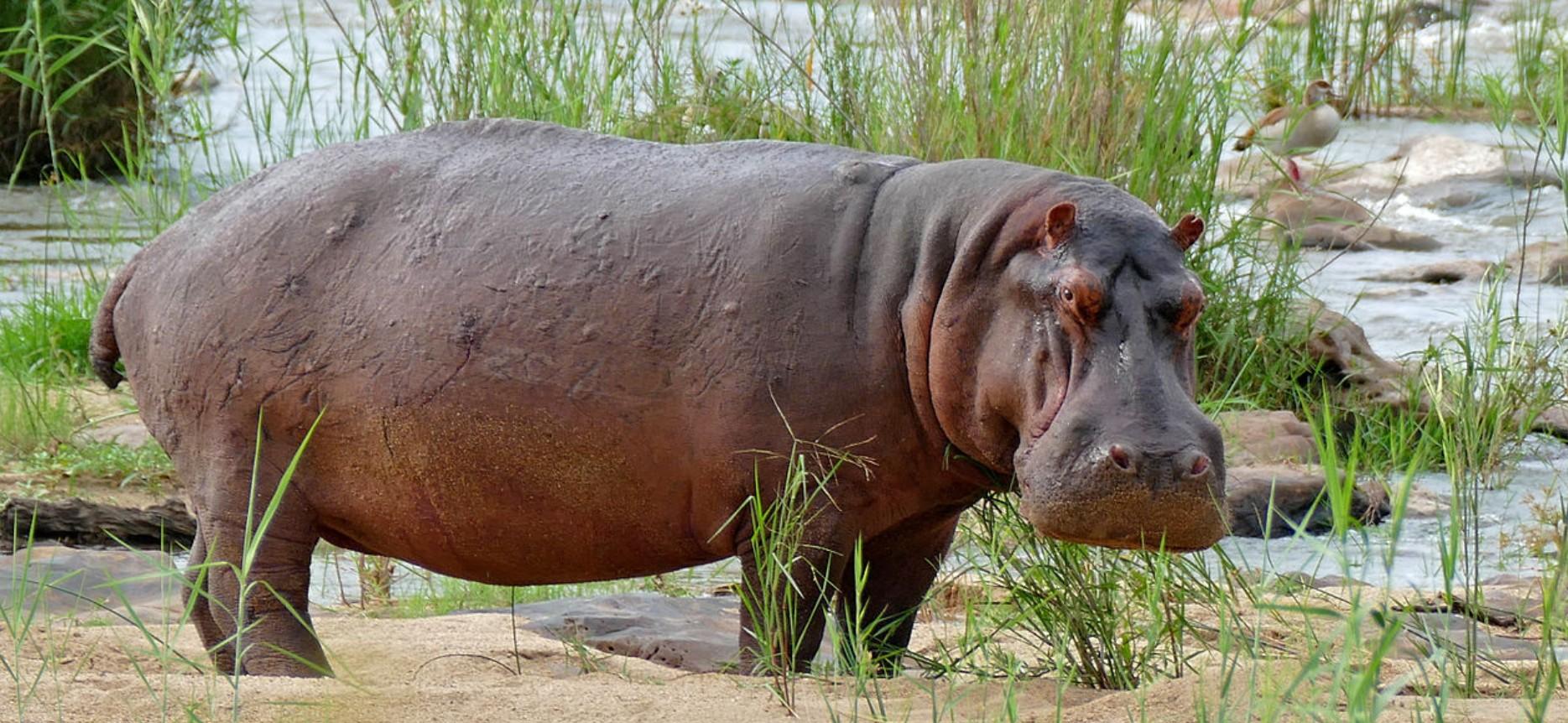
Journey from Durban to St Lucia Estuary for an unforgettable boat safari among hippos and crocodiles
8 hours
Free Cancellation
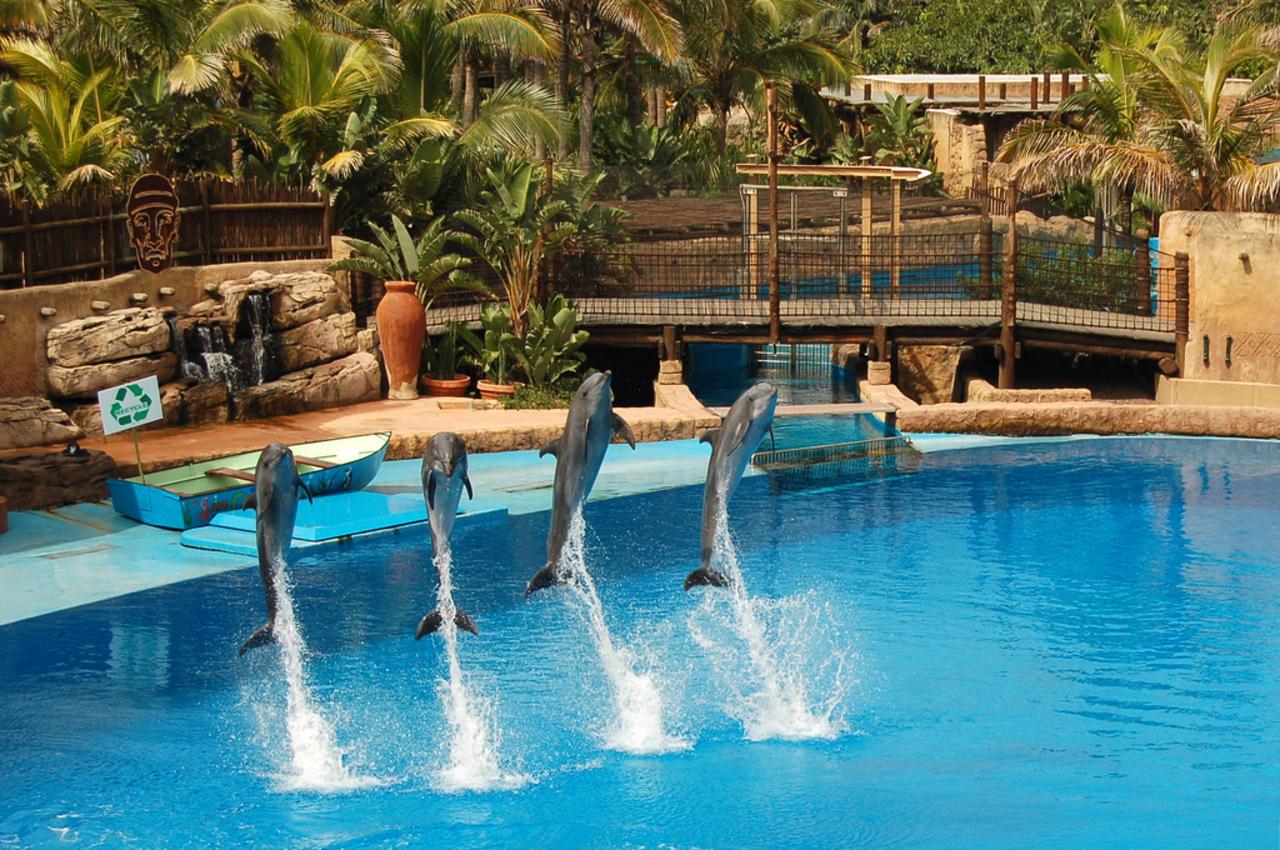
Spend a full day exploring one of Africa's premier ocean-themed attractions with aquarium access and marine shows
8 hours
Free Cancellation
Explore Durban's urban landmarks before heading into the Valley of 1000 Hills for Zulu traditions and wildlife.
14 hours
Free Cancellation
Discover Africa's iconic wildlife across two exceptional reserves on this all-day safari expedition
10 hours
Free Cancellation
Full-day wildlife adventure combining an estuary boat cruise and thrilling game drive through UNESCO-listed wetlands
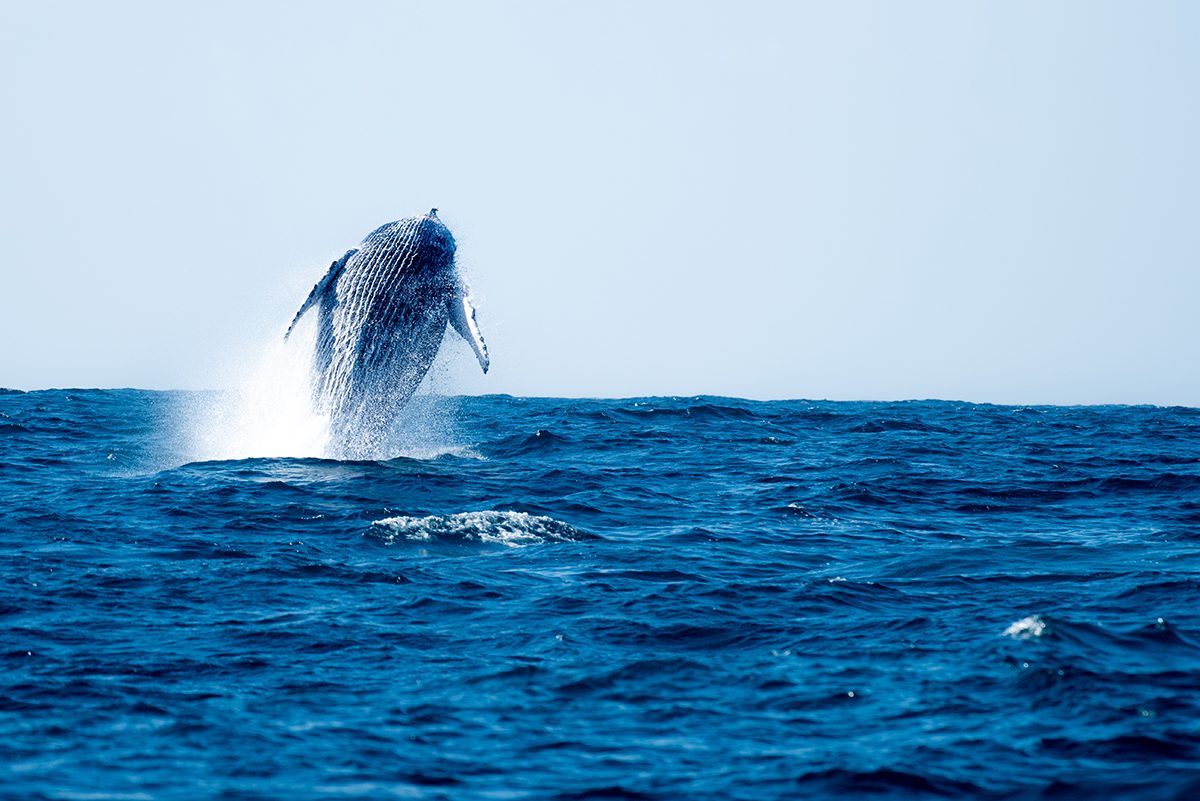
Witness the massive humpback whale population as they travel along the coast each year. The migration typically occurs between June and November as they move to tropical waters.
Experience the working Durban Harbour from the water, seeing one of the world's largest container ports up close. The harbour provides a fascinating industrial contrast to the open ocean.
Explore the coastal waters searching for dolphins, manta rays, and occasional Minky whales. The boat trips often head toward the warm Mozambican current to find marine activity.
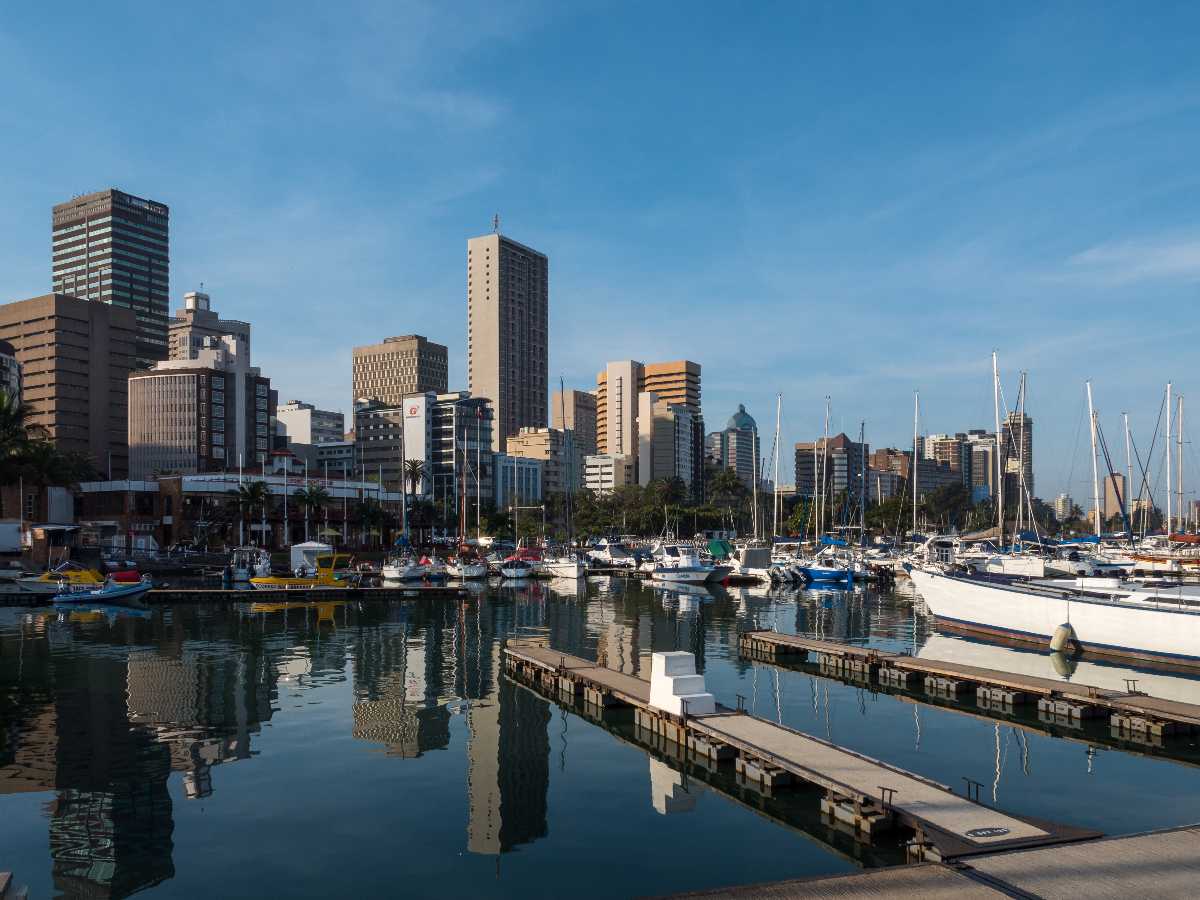
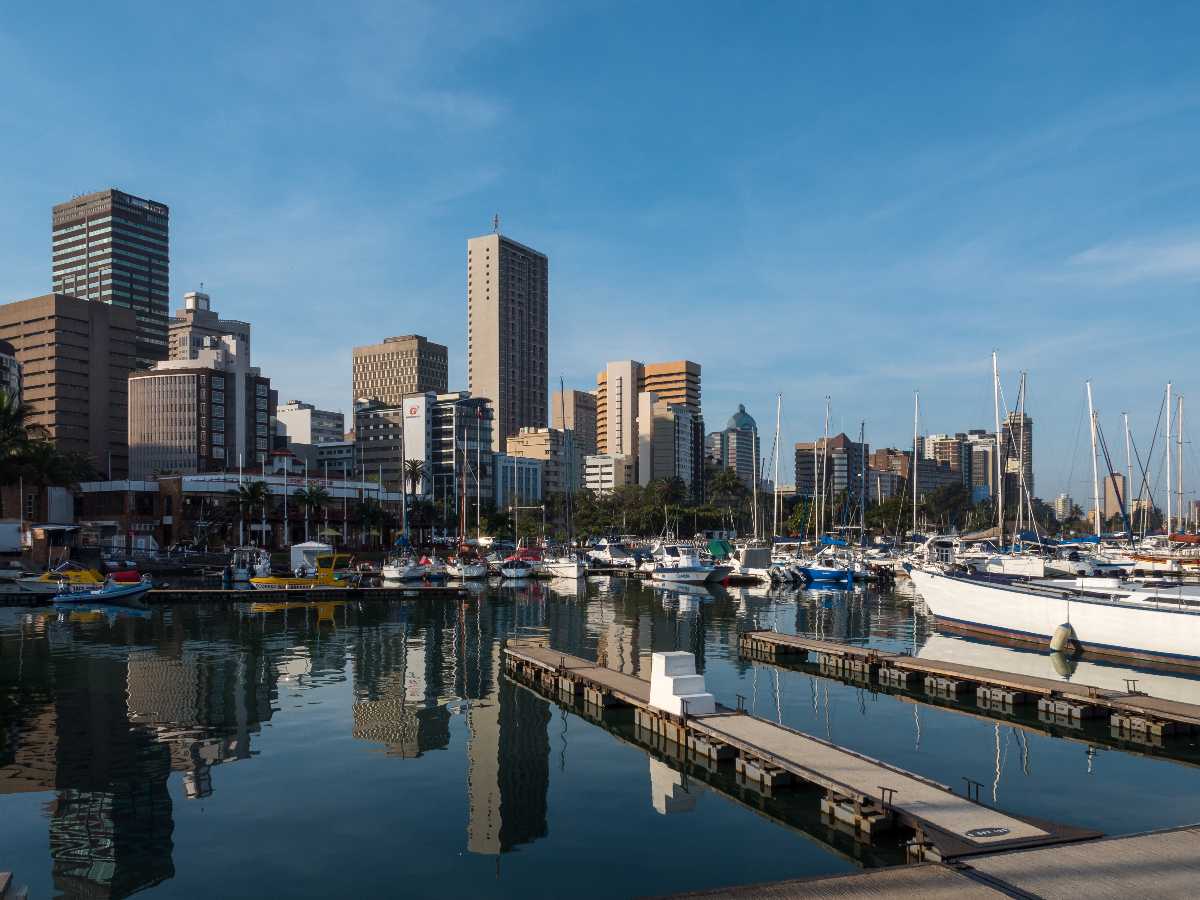
Enjoy the rustic charm of this harbour marina featuring outdoor dining decks and views of the fishing vessels. It serves as the primary base for all whale watching durban prices tours.
Learn from qualified guides about the scientific efforts to track whale populations off the KwaZulu-Natal coast. These tours contribute to understanding local marine behavior.
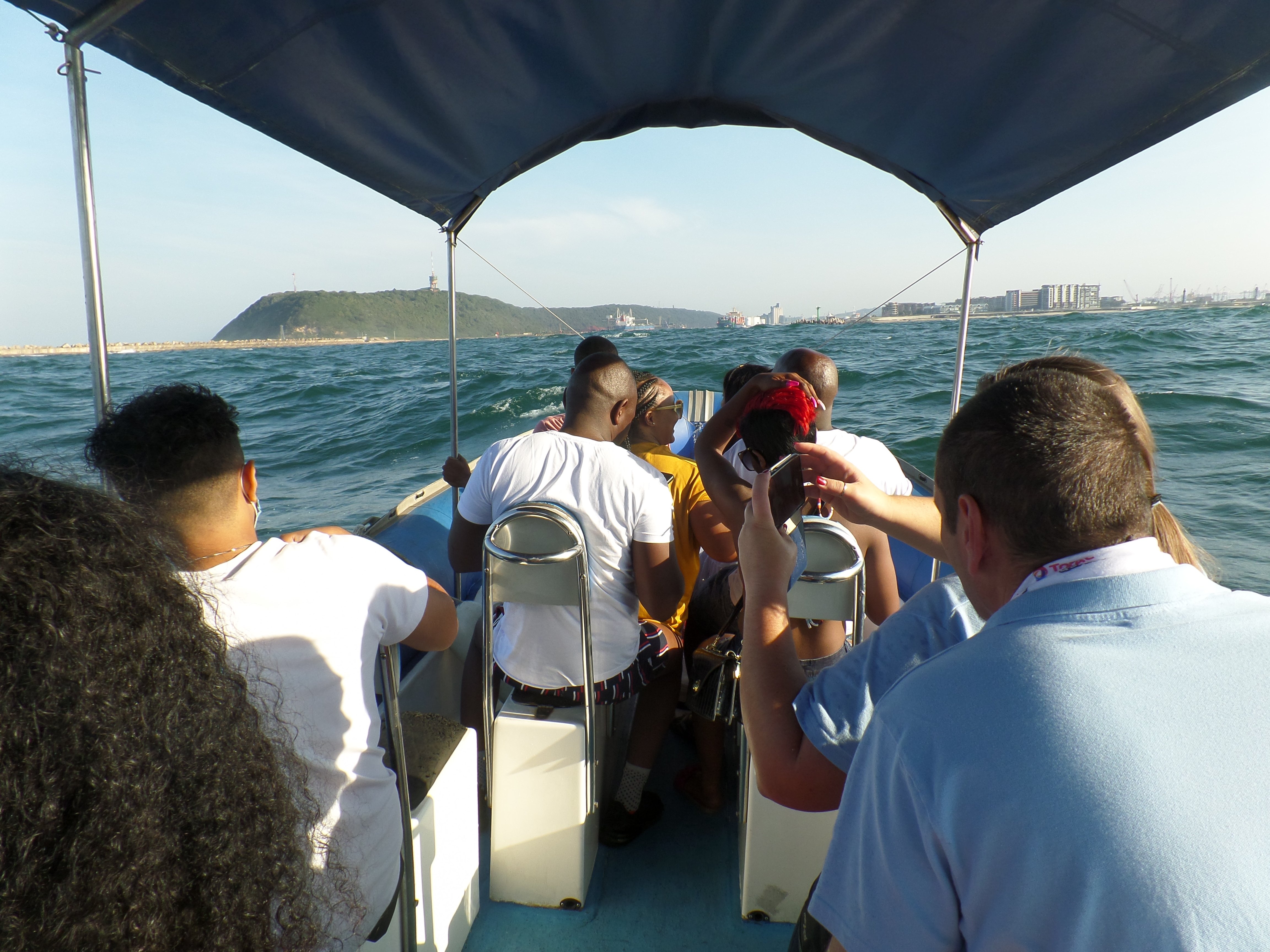
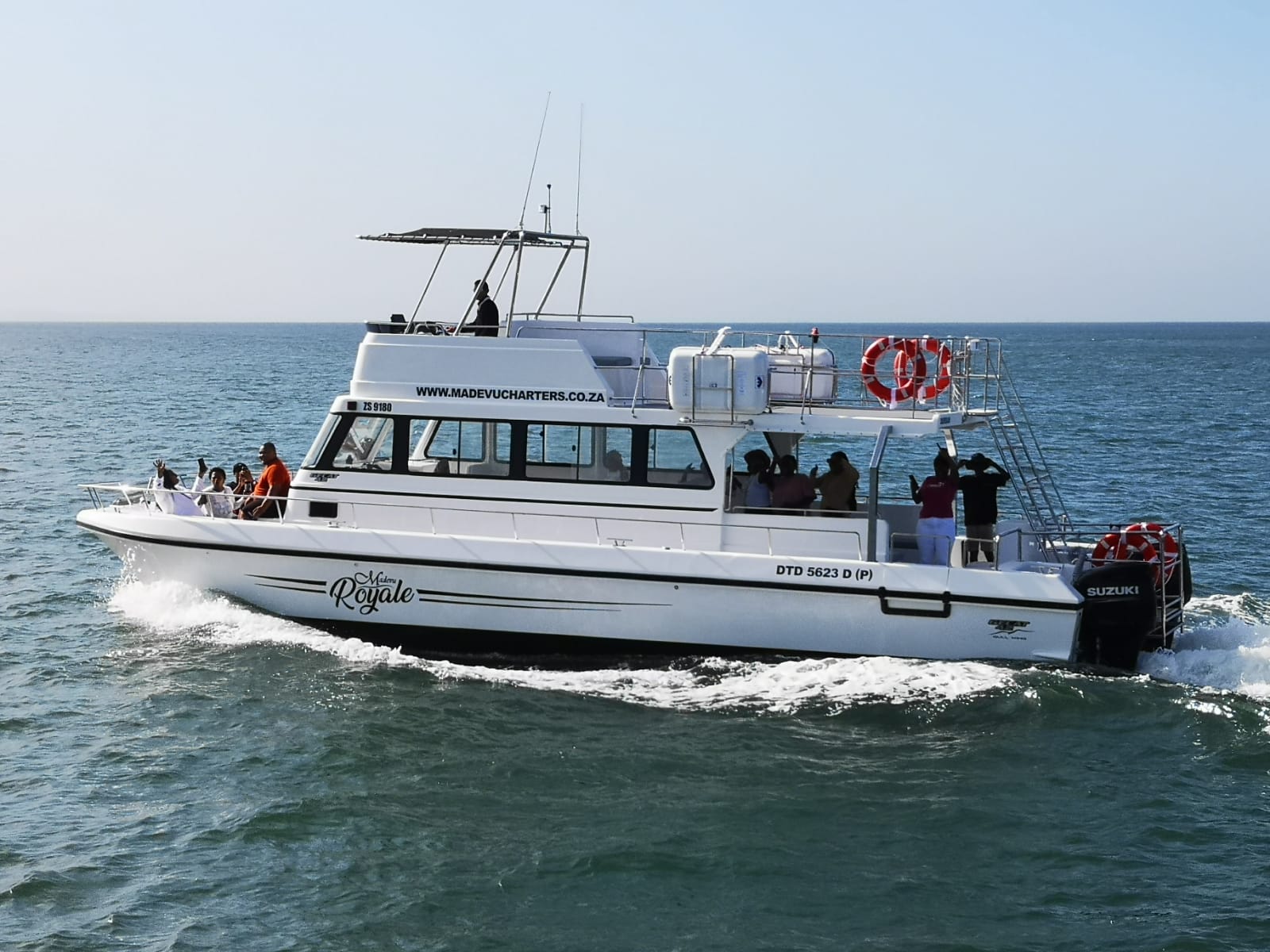
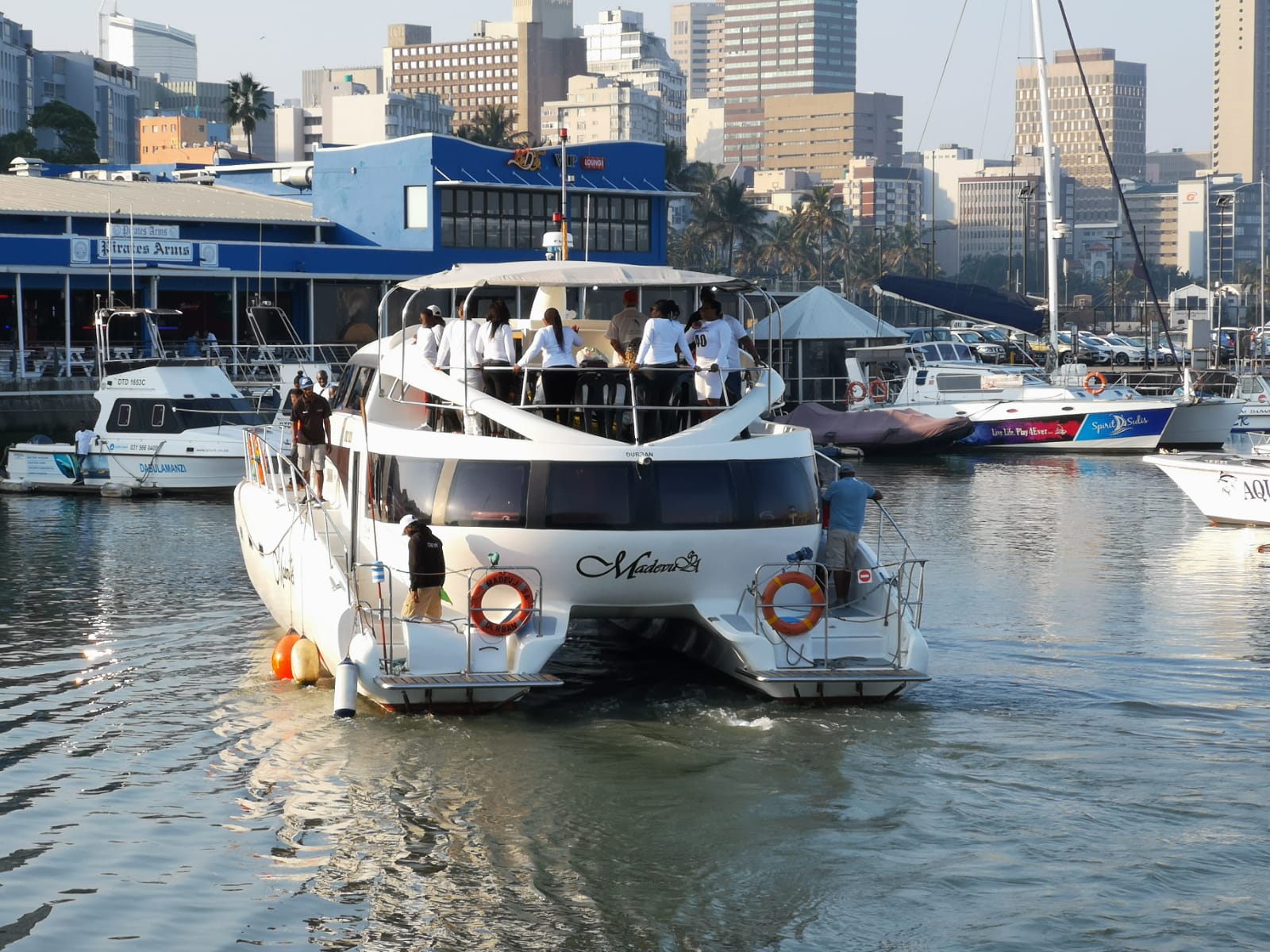
You board the expedition vessel at Wilson's Wharf, stepping from the concrete jetty onto a wide deck fitted with bench seating and safety rails. The skipper briefs you on whale approach protocols and points to the horizon where the Bluff headland marks the southern edge of Durban Bay.
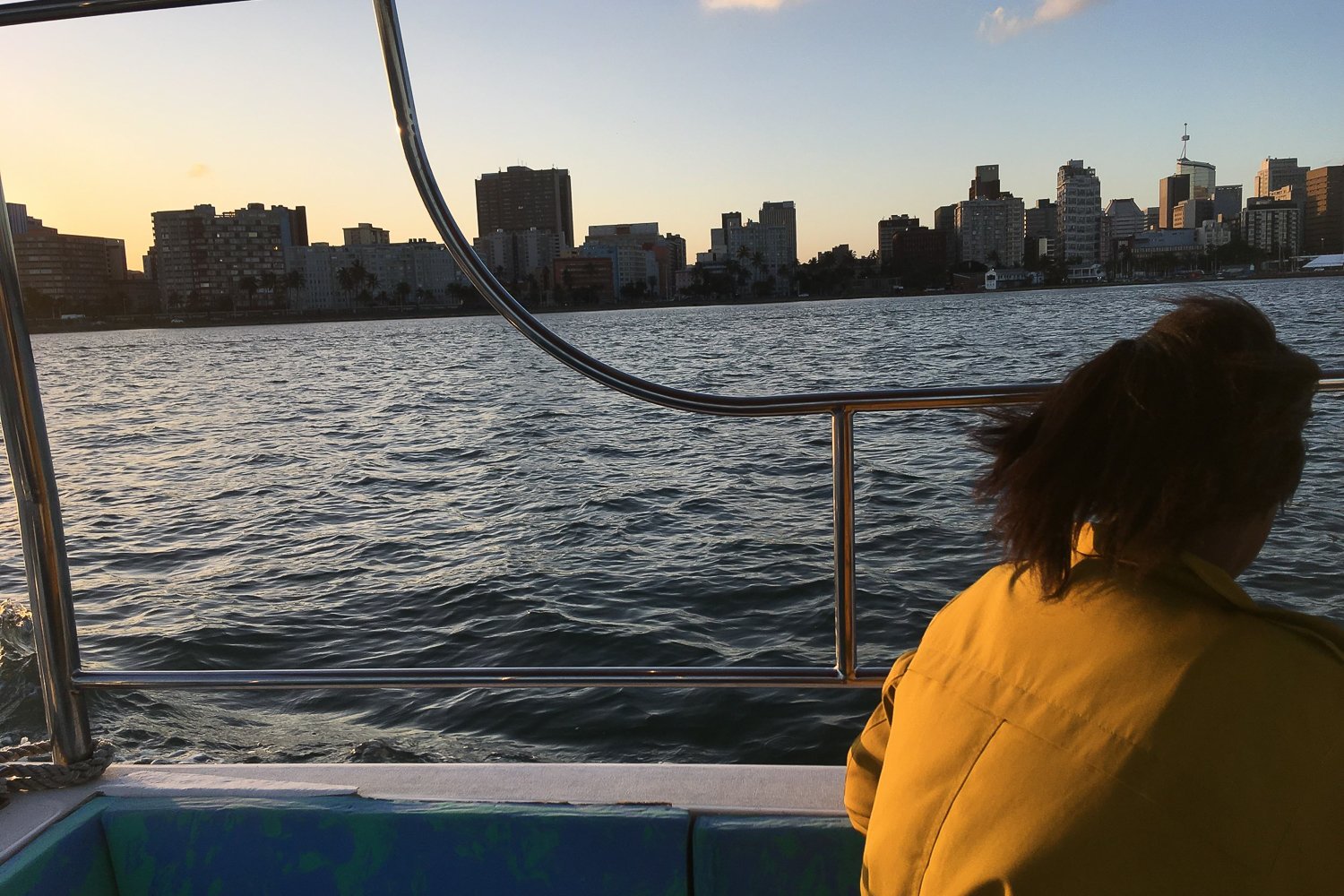
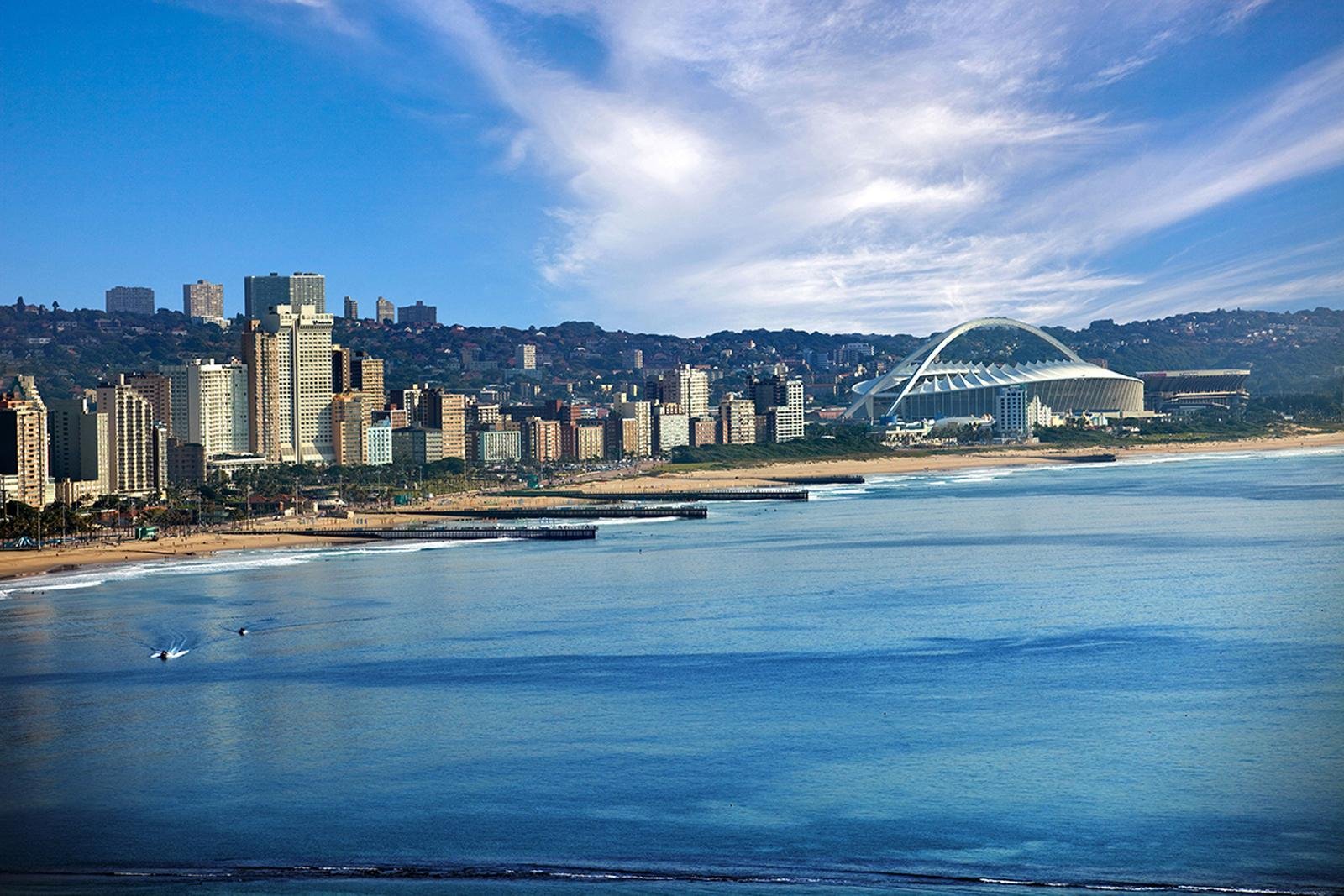
The boat clears the harbour entrance and accelerates into open water, the city's beachfront hotels receding to a thin strip of white against green coastal dunes.
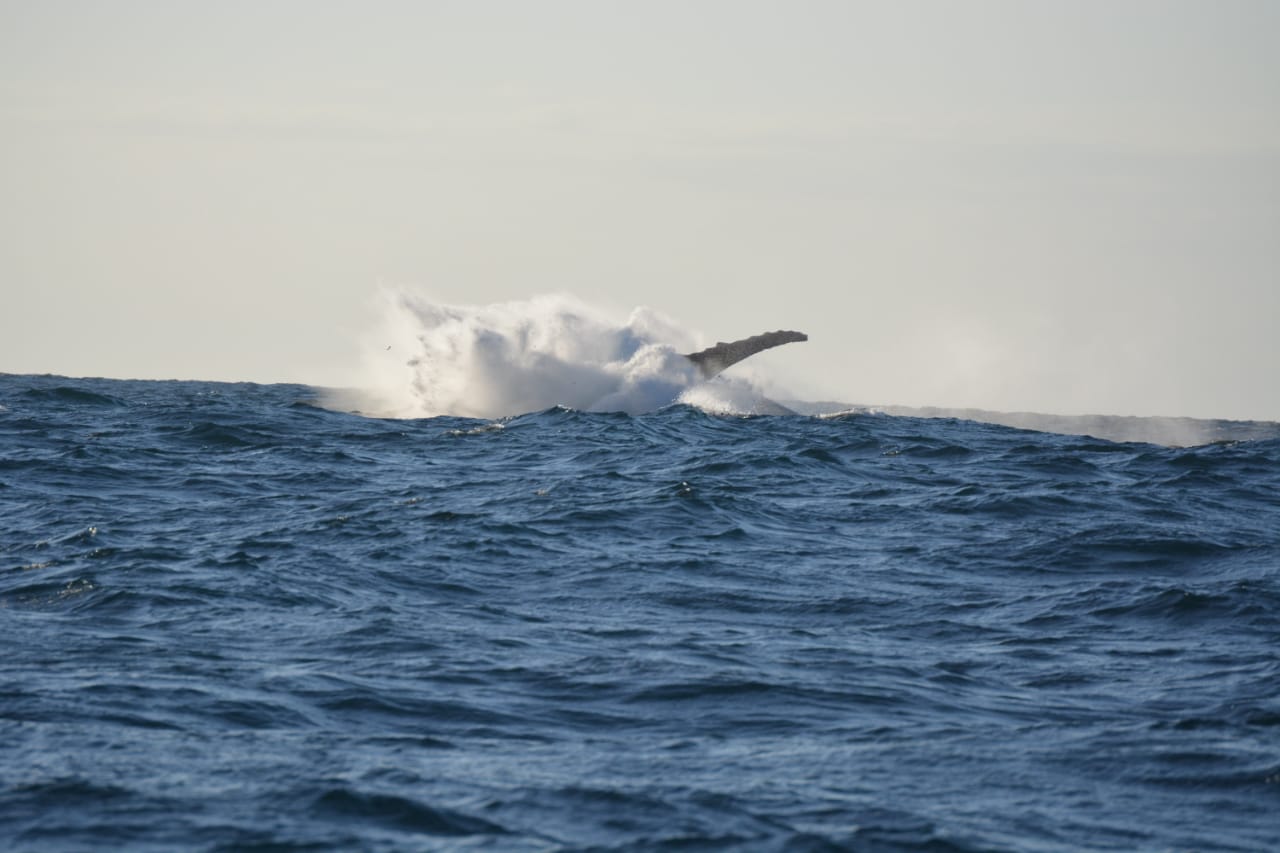
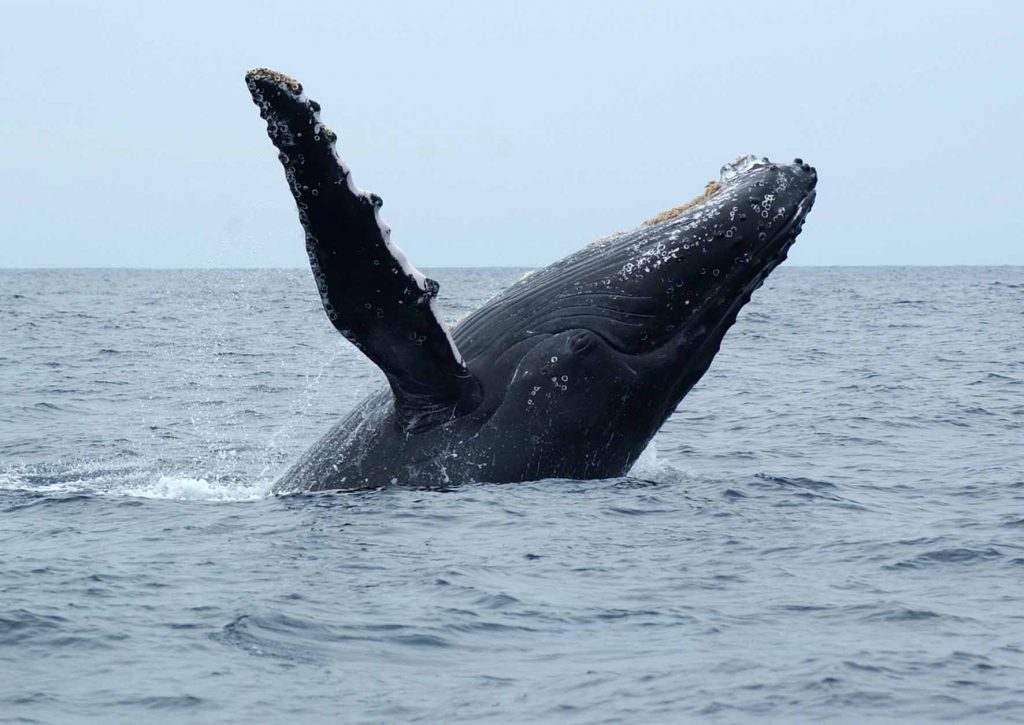
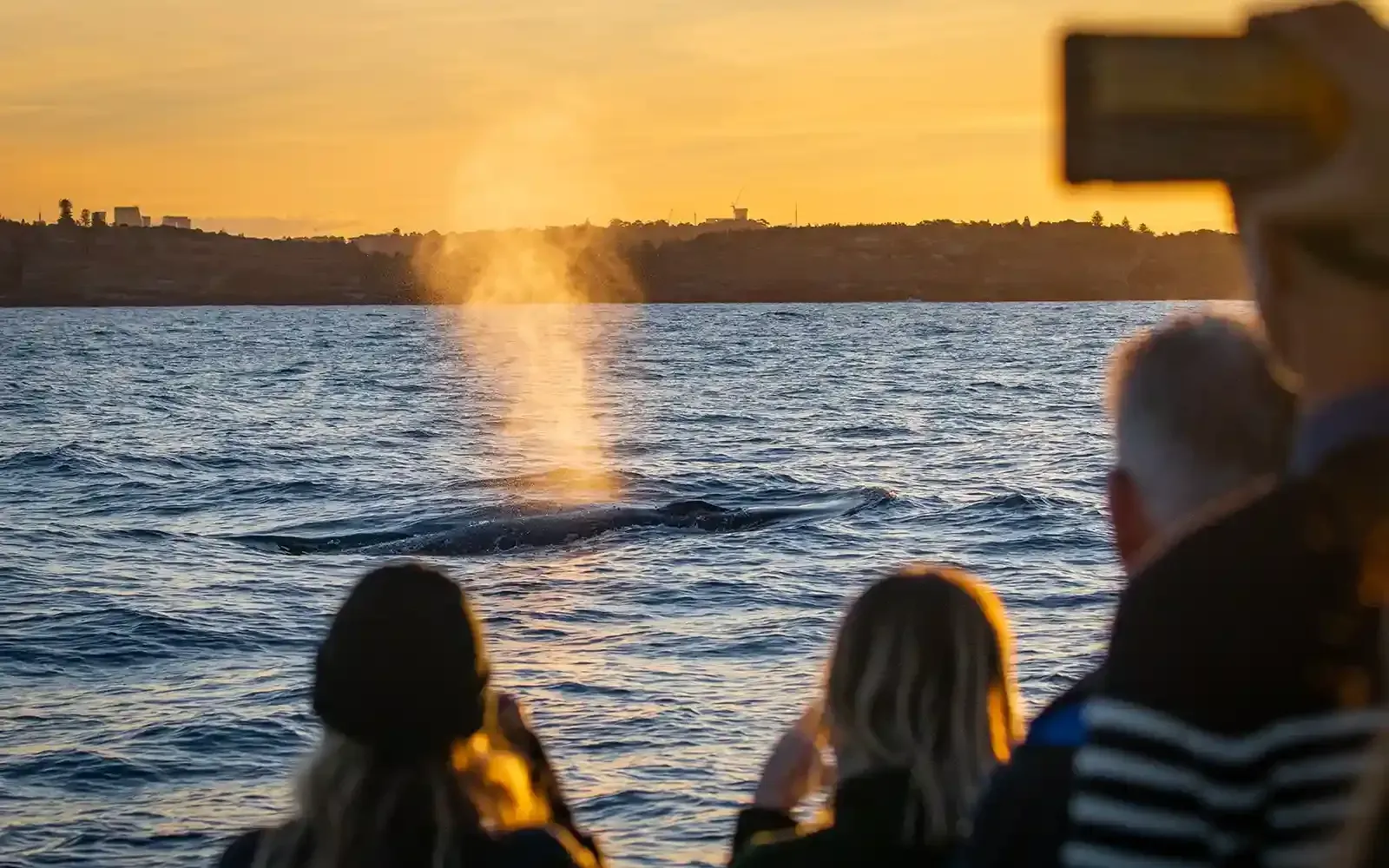
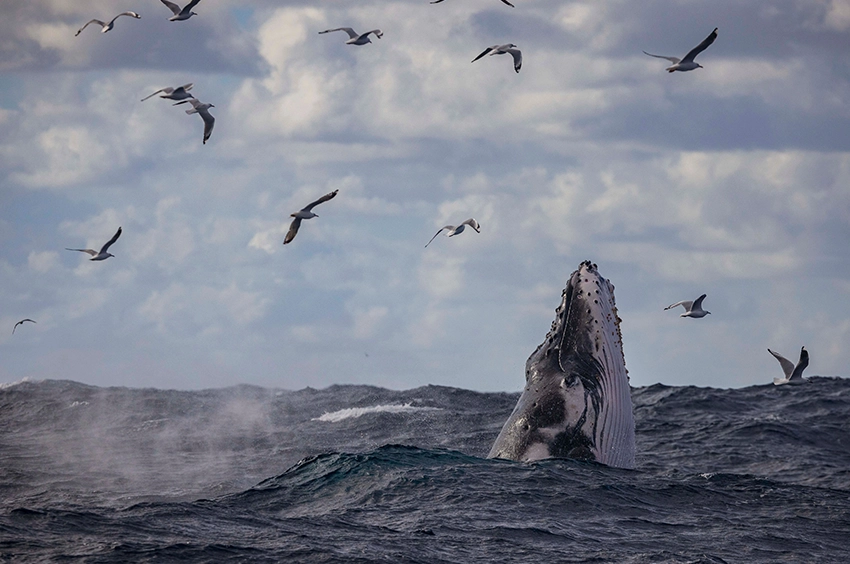
Twenty minutes offshore, the marine guide calls out a blow—a vertical mist column rising two meters above the surface. You scan the water and catch the dark curve of a humpback's back rolling through the swell, followed by the slow reveal of a tail fluke as the whale dives. The boat holds position, engine idling, and the animal surfaces again sixty meters to starboard, closer now, its pectoral fin slapping the water in a rhythmic pattern the guide identifies as communication signaling.
A pod of bottlenose dolphins intercepts the vessel on the return leg, riding the bow wave and leaping in synchronized arcs. You lean over the rail and watch them dart beneath the hull, their bodies flickering pale gray in the filtered sunlight. The skipper cuts speed as the boat re-enters the harbour channel, the two-hour circuit complete.
All the details about your upcoming adventure in one place
The warm Agulhas Current sweeps northward along Durban's continental shelf each winter, carrying hundreds of humpback whales on their annual migration from Antarctic feeding grounds to the tropical nurseries of Mozambique.
Between June and November, the ocean corridor off KwaZulu-Natal becomes one of the southern hemisphere's most reliable whale highways, with sightings recorded on more than seventy percent of expeditions during peak season. The city's maritime position—where the harbour mouth opens directly onto deep offshore channels—places observers within thirty minutes of known cetacean routes, reducing transit time and maximizing surface time in prime observation zones.
Whale watching Durban prices reflect the logistical realities of running certified ocean vessels in South African waters. The standard two-hour expedition operates from Wilson's Wharf in Albert Park, a working marina that doubles as the departure point for commercial fishing charters and recreational sailboats. Operators hold permits from the Department of Forestry, Fisheries and the Environment, which regulate approach distances, vessel speeds, and maximum observation durations to minimize disturbance to migrating pods. Most expeditions carry marine biologists or trained naturalists who provide real-time identification of species, behavior patterns, and individual animals recognized from dorsal fin scarring or fluke pigmentation.
The Natal coastline supports resident populations of Indo-Pacific bottlenose dolphins, spinner dolphins, and common dolphins year-round, offering consistent sightings even outside the humpback migration window. Bryde's whales—a lesser-known baleen species that feeds on sardine shoals close to shore—appear sporadically between December and March. The coastline's underwater topography, marked by submarine canyons and upwelling zones, concentrates baitfish and plankton, drawing marine mammals into predictable feeding corridors within sight of the city skyline.
Durban whale watching tours depart between ten in the morning and two in the afternoon, a scheduling window determined by tidal currents and prevailing wind patterns. Morning departures typically encounter calmer seas before the afternoon southwesterly builds, while midday sailings coincide with increased surface activity as whales accelerate into the warmer shallows. The expedition route follows the coast northward past the Umgeni River mouth and the Beachfront promenade, then arcs offshore to the edge of the continental shelf where depth contours drop from twenty meters to over two hundred within a nautical mile.
Between June and November, the ocean corridor off KwaZulu-Natal becomes one of the southern hemisphere's most reliable whale highways.
Casual, comfortable clothing is recommended for all whale watching durban prices tours. Flat, non-slip shoes are required for safety on the boat deck.
Passengers should carry minimal personal items. Use waterproof bags to protect electronics from salt spray during your whale watching durban prices adventure.
Cameras are permitted. A zoom lens is recommended to capture marine life from the legally required 50m approach distance.
The whale watching durban prices boat trips are generally suitable for ages 5 and up. Parents are responsible for the constant supervision of children while on the water.
The whale watching durban prices boat tours are currently wheelchair-friendly. Please inform the operator of any mobility requirements in advance.
Passengers are welcome to bring their own light snacks and beverages on board. Alcohol is typically prohibited; confirm specific policies when booking your whale watching durban prices tickets.
Operating Hours
10:00–16:00
Address
Wilson's Wharf, 14 Boatman's Road, Albert Park, Durban, 4000, South Africa
Accessibility
Wheelchair-friendly facilities available for whale watching durban prices excursions
Best Arrival
10:00–14:00 optimal for boat departures and stable weather conditions
Security
Lockers not provided; keep personal bags secure and dry on deck
Navigation
Located at Wilson's Wharf Marina next to the Casadena Spur complex
Cancellations made at least 24 hours before the scheduled departure receive a full refund. No refunds are provided for no-shows or cancellations within 24 hours of the tour time.
Recommended time
2-3 hours
A standard boat-based excursion takes 2 hours, making the total visit duration roughly 3 hours when accounting for check-in at Wilson's Wharf. Planning your visit between 10:00–14:00 ensures you benefit from the optimal arrival window, which helps avoid afternoon winds that impact marine life sightings. When reviewing whale watching durban prices, note that this window offers the best balance of calm sea conditions and vessel availability for these Durban boat tours. Booking your whale watching durban prices tickets in advance helps streamline the boarding process for your ocean wildlife experience.
Crowd levels through the day
Commercial whale watching durban prices emerged in the mid-1990s when South Africa's humpback whale population began recovering after decades of whaling moratoriums. The Durban coastline, positioned along the annual migration corridor between Antarctic feeding grounds and Mozambican breeding waters, became one of the few urban ports in Africa where operators could guarantee sightings between June and November. Early expeditions departed from the Point Yacht Club using converted ski boats, charging modest fees to marine biology students and conservationists documenting the return of southern right and humpback whales to KwaZulu-Natal waters. By 2003, dedicated whale watching durban prices tours shifted to Wilson's Wharf in Albert Park, where deeper harbor access allowed larger vessels to reach the sardine run feeding zones more efficiently. The sardine migration, occurring annually between May and July, drew not only humpbacks but also dolphin superpods and predatory fish, transforming single-species tours into multi-species marine safaris. Operators began standardizing two-hour excursions priced at 750 ZAR per person, a rate shaped by fuel costs, marine permit fees, and the limited seasonal window when migratory cetaceans passed within five nautical miles of the harbor mouth. The 2010 FIFA World Cup introduced international visibility to Durban's marine tourism, yet whale watching durban prices tickets remained a niche offering compared to the crowded Hermanus market in the Western Cape. Local operators collaborated with the Oceanographic Research Institute to train skippers in non-invasive approach protocols, maintaining a thirty-meter exclusion zone that became stricter than national guidelines. Today's expeditions depart daily from Wilson's Wharf at 14 Boatman's Road, blending cetacean observation with dolphin encounters and occasional sightings of leatherback turtles during their November nesting migrations along the Maputaland coast.
International Whaling Commission moratorium allows humpback whale populations along the KwaZulu-Natal coast to begin recovery after commercial hunting ends.
First commercial whale watching excursions launch from Durban's Point Yacht Club using converted ski boats for marine researchers and early ecotourists.
Operators relocate to Wilson's Wharf in Albert Park, establishing deeper-water departure points that improve access to offshore feeding zones.
Oceanographic Research Institute partners with tour operators to implement voluntary thirty-meter whale approach protocols exceeding national requirements.
FIFA World Cup brings international attention to Durban's marine tourism, though the market remains smaller than Hermanus in the Western Cape.
Standardized two-hour expeditions priced at 750 ZAR operate daily from Wilson's Wharf, combining humpback whale migration viewing with dolphin and sardine run experiences.
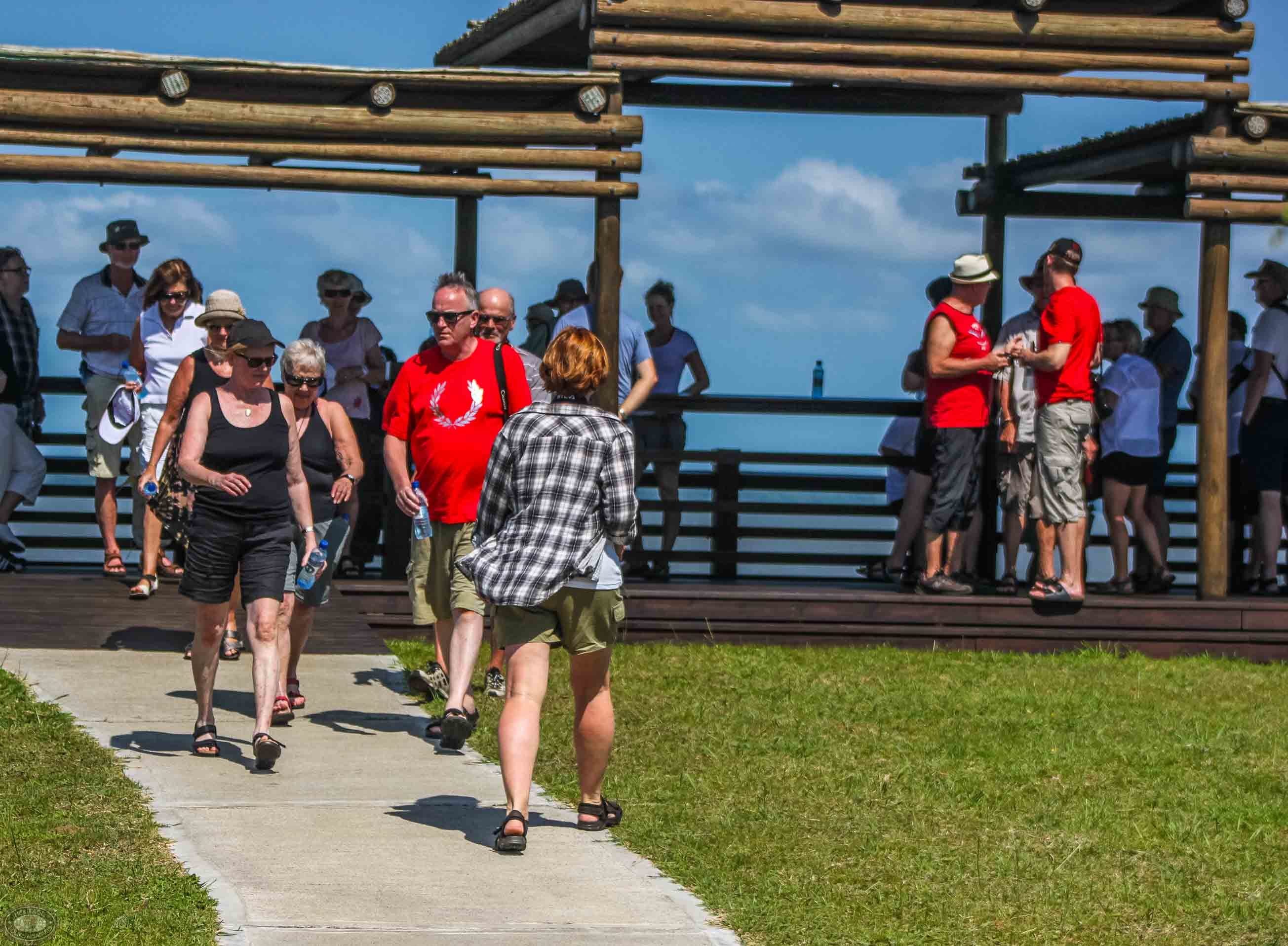
Stand at the edge of the wooden walkway for a clear view of the departing vessels against the harbor backdrop. This provides a professional perspective for capturing whale watching durban prices tours before they head out to sea.
Position yourself on the upper viewing level to photograph the boat crew preparing for the expedition. This vantage point is ideal for documenting the start of your whale watching durban prices tour.
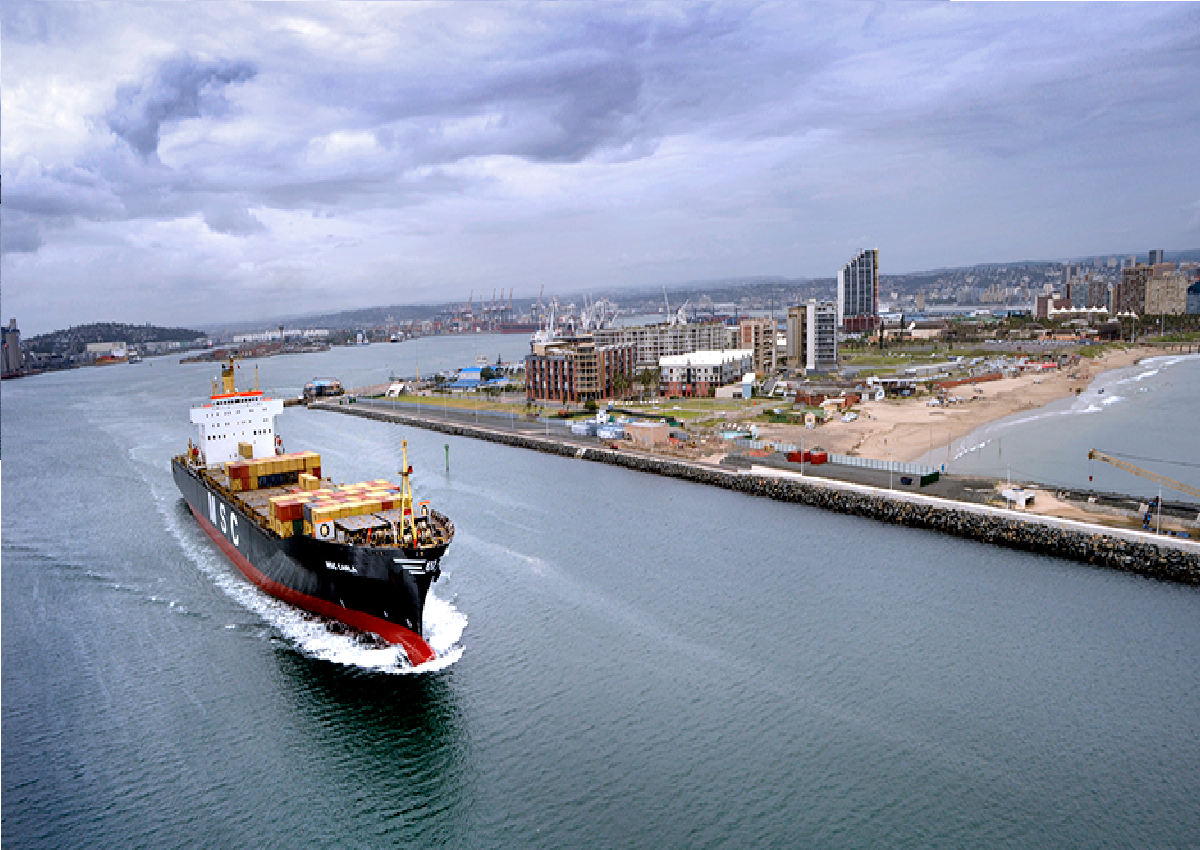
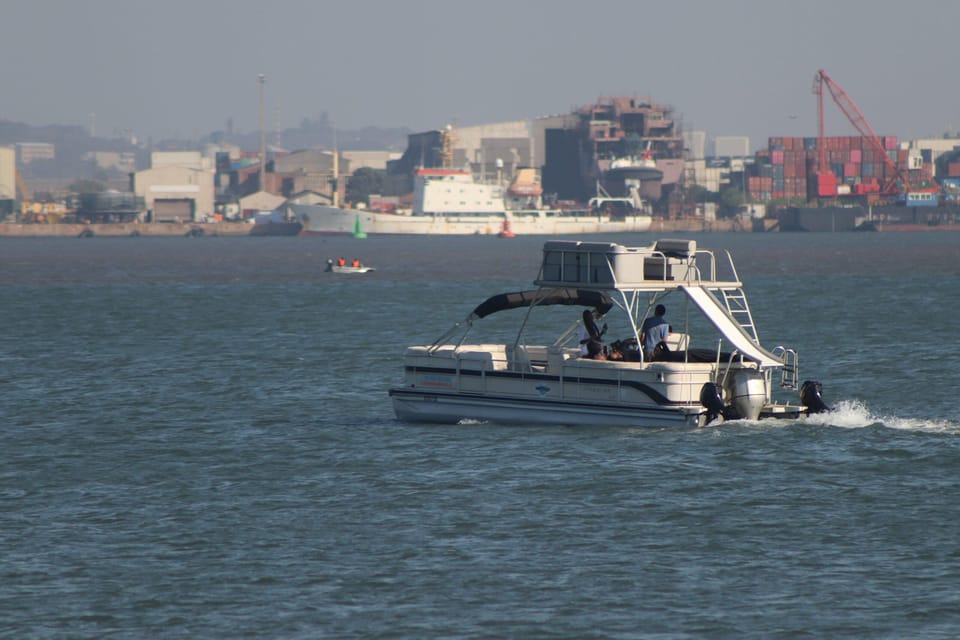
Capture the perspective of the boat passing through the harbor mouth from the solid ground of the entrance path. This location is perfect for framing maritime navigation shots while securing your whale watching durban prices tickets.
Planning a marine excursion for your family requires knowing that whale watching durban prices are standardized at 750 ZAR per person for a 2-hour boat-based expedition. These maritime adventures offer children an opportunity to observe local sealife from the open ocean.
Strollers cannot be accommodated on the boat decks, so please bring a wearable baby carrier for younger children.
This tour is generally recommended for children aged 5 and older who can sit comfortably for the duration of the boat-based whale watching durban prices tours.
The departure point at Wilson's Wharf provides access to public restrooms, but families should plan for limited amenities once the vessel departs for the ocean.
To ensure the best experience with these whale watching durban prices tickets, aim to arrive during the 10:00–14:00 window to secure your spot before afternoon winds develop.
Pack light snacks and water in a soft bag, as there are no catering services provided during the whale watching durban prices tour on the water.
Wilson's Wharf offers a variety of eateries directly on the harbor, making it convenient to grab a meal near whale watching durban prices locations before your nautical expedition. Visitors can enjoy diverse dining options ranging from casual seafood spots to laid-back cafes while overlooking the marina.
Located right at the marina, this spot is ideal for a post-tour meal of calamari or fish and chips. It is a popular choice for families tracking whale watching durban prices tours.;Café Fish
Everything you need to know for your journey
Isle of Capri Cruises operates daily from 10:00–16:00.
The entrance fee is 750 ZAR per person for a 2-hour boat-based whale watching expedition.
All tours depart from Wilson's Wharf, 14 Boatman's Road, Albert Park, Durban.
The best arrival window is 10:00–14:00 to ensure optimal conditions for boat departures.
While generally family-friendly, children should be at least 5 years old for these boat-based whale watching durban prices tours.
If weather conditions are unsafe, the operator will offer to reschedule your trip or provide a full refund.
Yes, photography is highly encouraged during your whale watching durban prices excursion.
Bring sunscreen, a hat, polarized sunglasses, a windbreaker, and your camera for the whale watching durban prices tour.
You can explore the Durban Marina, local outdoor pubs at the Wharf, or the nearby container port after your tour.
Join thousands of happy travelers who have discovered this incredible experience
Book Your Experience Now